

pair of pileated woodpeckers
9 years ago
Featured Answer
Sort by:Oldest
Comments (13)
Related Discussions
Way cool..Pileated Woodpeckers!/off topic
Comments (16)well, Zyperiris, heheh I think I was definitely "wearing my brains" on backwards; I can't believe I missed out on that important descriptor-- prehistoric and wild and rough! I never thought of a bird being wild and rough except for a parrot that doesn't get enough attention from its owner, lol! So that descriptor should have caught my eye. I think I just saw the first 2 responses and jumped to the gun with mine, ridiculous me! Anyway, I am hoping one of these days we'll be able to enjoy a photo of your Pileated woodpeckers and your wood beaver! But again, it's so difficult to catch a real-live photo of wildlife and who cares about the photo compared to just the joy of seeing the real thing in person! You must have some really tall massive trees on your property. I would imagine one would need those kinds of trees to attract those woodpeckers. Keep us updated when you! get the chance to see these amazing birds! am crossing my fingers you'll get to see one soon, soon, soon!...See MoreI am so easiy amused .....
Comments (27)Update on our birding activity - two weeks ago my wonderful husband installed a hummingbird feeder on my mothers bedroom window - she is pretty much bedridden and under hospice care now. We had already moved her bed around in her bedroom so she would have a full unobstructed view of the backyard and the birdfeeder station I mentioned earlier in this post. Well....that hummingbird feeder has given her so many hours of entertainment and she is not at all shy about letting us know when it is empty. She has stories to tell all the hospice home care nurses when they come about all the bird activity - this the view out her window of a hummingbird at the feeder this is her overall view out the window Lynne...See MorePileated Woodpecker
Comments (12)Maureen, those photos are stunning! I just LOVE the last one...with every red feather in her crest standing straight up! The detail is amazing! We have a pair around here, but I've never had one of them come to the birdbaths. I've been really trying to entice my birds back, and yesterday, I put out new feeders and fresh food. Shortly afterward, I had a pair of mourning doves feeding on the ground under a feeder, and they hadn't been there 2 minutes when out of nowhere, one of my resident red-shouldered hawks shot down to try to nab one. He missed, but then he flew to the top of my Bali hut and wouldn't move. I finally had to aim a jet of water at him to chase him off. Five minutes after he left, the doves were back, and a pair of cardinals, as well. Plus, I have a CATBIRD eating SEED at my feeder now! I've never seen that before in all my birdwatching years. You just never know what you are going to see when out in your garden, do you? Our little attempts to create a private spot of nature often succeed beyond our expectations. Thanks for sharing. These might be my very all-time favorites of your bird pictures. Marcia...See MorePileated woodpecker behavior
Comments (5)Hitching down a tree trunk is common for woodpeckers. They usually do that to move short distances downward, especially while foraging. However, if the distance is great, say the bird wants to move from the top of the tree to the base of the trunk, it will usually fly down. However, in flight, woodpeckers are more vulnerable to predators, by remaining on the tree trunk and hitching down, they can easily duck around the other side of the tree to avoid a predator. BN...See More- 9 years ago
- 9 years ago
- 9 years ago
- 9 years ago
- 9 years ago


Related Stories
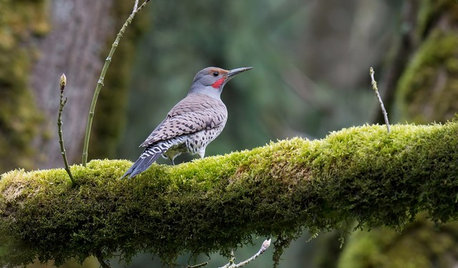
GARDENING GUIDESBackyard Birds: Healthy Home Habitats for Northern Flickers
These colorful woodpeckers found across the U.S. and Canada love berries, seeds and ants and often nest in deep burrows in trees
Full Story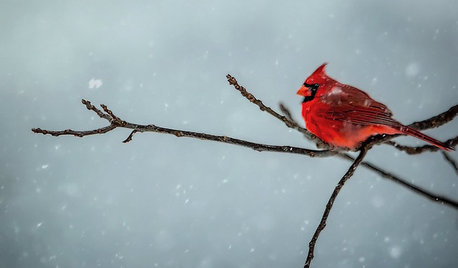
GARDENING GUIDESBackyard Birds: Northern Cardinals in the Snow, and Other Red Birds
Brilliant crimson feathers make these friends stand out in a crowd
Full Story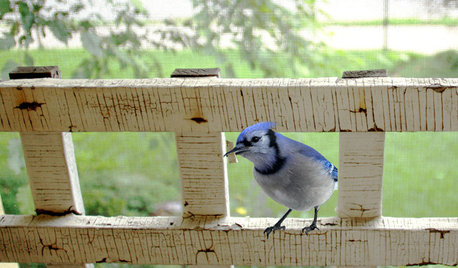
GARDENING FOR BIRDSBackyard Birds: Meet Some Clever and Curious Jays
Boisterous jays provide plenty of backyard bird-watching in winter. Here’s how to identify all the varieties and welcome them into your yard
Full Story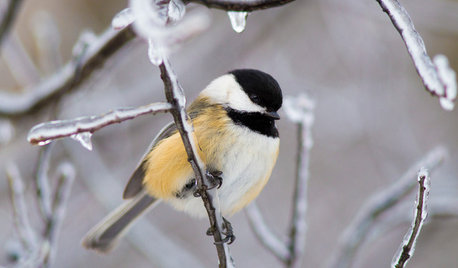
GARDENING FOR BIRDSBackyard Birds: Marvel at Chickadees This Winter
These North American natives flock to bird feeders and entertain with their complex birdcalls
Full Story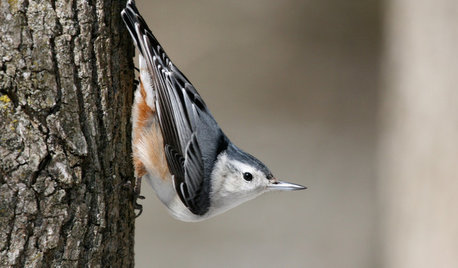
GARDENING FOR BIRDSBackyard Birds: Those Nutty Nuthatches
The North American songbirds, which often perch upside down, make themselves known in the winter landscape
Full Story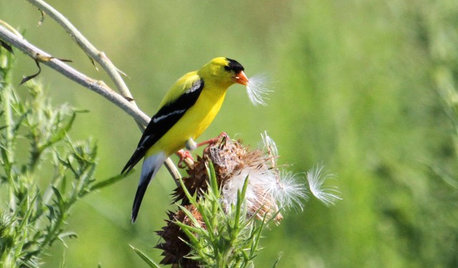
GARDENING FOR BIRDSWild Birds Transform a Woman’s Garden and Life
How Sharon Sorenson created a wildlife haven and became the Bird Lady of Southern Indiana
Full Story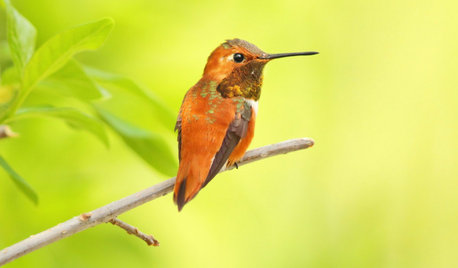
GARDENING GUIDESBackyard Birds: Invite Entertaining Hummingbirds Into Your Garden
Hummingbirds — unique to the Americas — zip through open landscapes seasonally or year-round. Here’s how to attract them
Full Story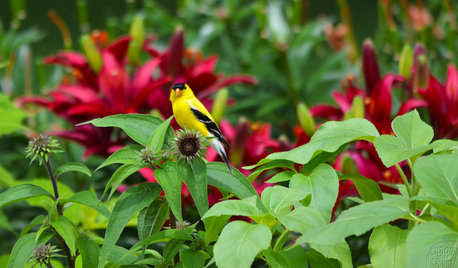
GARDENING GUIDES13 North American Backyard Birds to Know
Find out about these enchanting native species and learn how to attract them to your yard
Full Story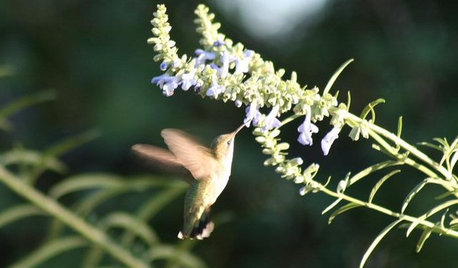
GARDENING FOR BUTTERFLIESA Quick-Start Guide to Bird-Watching for Fun and Learning
Set out some seed and grab your field guide. Bird-watching is an easy, entertaining and educational activity for the whole family
Full Story
GARDENING AND LANDSCAPINGBe a Citizen Scientist to Help Wildlife, Learn and Have Fun Too
Track butterflies, study birds, capture stars ... when you aid monitoring efforts, you’re lending Mother Nature a hand
Full StorySponsored
More Discussions
andy99mich