

Identity Fraud Insurance
9 years ago
Featured Answer
Sort by:Oldest
Comments (7)
 9 years ago
Related Discussions
Construction Fraud/Theft
Comments (7)Problem with taking someone to small claims court who has "disappeared" as this handyman apparently has is that serving "process" on them is extremely difficult. And, if your brother manages that and gets a judgment, I doubt he would ever be able to collect on it. Collecting on a judgment can be difficult enough even if you know where the judgment debtor is. Collecting on one where you don't even have that much info is nigh impossible. To collect on a judgement that the debtor doesn't want to pay, you basically have to find out where he owns property or has a bank account or something you can take via a legal action called a levy or a garnishment. In some states - but not all - you can also garnish a judgment debtor's wages. But, that requires that you know where the debtor is AND that he have a regular job. Hate to say it but if your bother can't get the police to find and prosecute this individual, there is probably very little he can do. If the police would find and prosecute him, then your bother could also bring a small claims court action and (possibly) someday collect....See MoreIdentity Theft
Comments (16)Although it's annoying, this really isn't what's called identity theft. I know people who were victim of true identity theft, where someone actually assumed the person's identity, not just made a one-time use of a card or something, and the results are usually devastating to the person. You can't buy anything with a credit card, you can't get/keep a checking account, bank accounts can be frozen, retirement funds can be affected, your job is often impacted and you even risk losing it, your driver license is affected, insurance of all types and way more happens with an identity theft. That's some bad stuff. I've had fraudulent use of my credit card attempted before. And I applaud the cc company for being on top of it. Sad part is with the way things are now, we don't completely control our private data. Banks, employers, stores, health people, pharmacies, hospitals, insurance companies and many others are in possession of the data and we see on the news seemingly weekly where someone is broken into and robbed of sensitive data on millions of people....See MoreIsn't this still fraud? (long)
Comments (22)I'll try to answer your questions, as my first post was already lengthy and I couldn't include all the details. mimipadv, I worked with "Sue" until 5 years ago, and we bumped into each other at the mall and went for a coffee, to catch up. When we worked together, she was never narcissistic and was perfectly ethical (to my knowledge.) Thus my shock, after complimenting her on the pendant! Snidely, I don't know how much the pendant cost, just that she said it was $150.00 less than the one she returned. chisue, you wondered why she'd be OK losing $150.00 and her explanation was that because she could no longer return the original piece, it 'made more sense' to her that she ends up with the simpler pendant that she preferred and the store ends up with a pendant worth more than the money they gave her when she returned it. Suzieque, at least she wasn't rejoicing at having pulled off anything when she told me about returning the pricier pendant. She looked shocked when I told her it was actually fraud, because she had assumed that her returning the pricier pendant, meant the store was gaining financially from it. Lindsay, she didn't buy the pendants from a bona fide 'jewelry store,' but from a large chain store here, similar to maybe Macy's in the States. The diamonds were little, and she said the original pendant was almost identical, but a bit larger, so the detailed design in the gold, stood out more. She preferred the new pendant because the design in the gold was smaller and more subtle. I'm thinking the little diamonds were probably the same in both, and the price probably reflected a weight difference in the gold. plllog you said "As to losing $150, she wasn't. There was no way she could sell or return the first necklace for the original price. She was gaining the amount she got back for returning the wrong one, rather than letting the necklace she didn't care for sit in her drawer." That's how I saw it as well. When I likened her actions to people who shoplift, switch price tags to get a cheaper cost, return things to a different store than purchased, etc. she looked stunned and said "but they cause a financial loss to the store and I was returning something worth $150.00 more than what I paid for it." I suggested to her that if in fact the store hadn't noticed she was returning the slightly larger pendant with a receipt for the smaller one, why would she assume they'd suddenly notice it later and resell it for the proper (higher) price? Or what if they never sold it at all? She admitted she hadn't thought that out, and I saw how she suddenly went from 'not feeling conflicted' to being very embarrassed and upset upon realizing her logic had been faulty. All said I'll not repeat what I learned from "Sue" to anyone, as I don't think she fully understood what she did, and I've certainly made many mistakes myself....See MoreCredit Card Fraud Hits Home
Comments (24)Card information on a smartcard chip is encrypted and is variable - different each use. I'm not an expert but I believe they are considered not cloneable. Mag strips are easily cloneable and that's been an ongoing source of fraudulent use for years and years. That's what skimmers are all about, to read the info on a mag strip in a valid card so it can be duplicated. Historically, card issuers have absorbed fraud losses. (There may be some element of their not being liable for the use of numbers of stolen cards the stores are advised of - that used to be the case but maybe not now. Remember when you'd present a card, as at a liquor store, and the clerk would flip through a soft cover book to check the number? In the days before telephonic/internet transmission of the card info when a charge is made, which can pass back a No Authorization message. When card issuers (Visa, Mastercharge) decided to switch to the Chip and Signature cards now most common in the US, it was accompanied by a liability shift. When a charge is put through with a chip reader, the bank/card issuer remains liable for fraudulent use, as before. But when a charge is entered from a mag strip, THE RETAILER is now liable for fraudulent use if the card had a chip that wasn't read because old equipment was used. That was the arm twisting involved because the issuers said to retailers - "Get a chip reading device or any fraud losses that occur from a mag reading of a chiped card are yours to absorb, we no longer will cover it. " So stores have a choice. It's their decision in the tradeoff as to what costs more - buying new machines or exposure to losses from fraud....See More- 9 years ago
 9 years ago
- 9 years ago
- 9 years ago
- 9 years ago
Related Stories
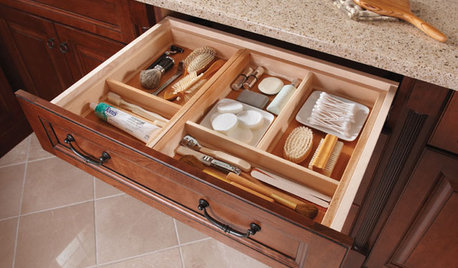
MOST POPULARHow to Create an Inventory, Whether You're Naturally Organized or Not
Documenting your home items is essential, even if disaster seems unimaginable. And it may be easier than you think
Full Story
ARCHITECTUREWhat the Heck Is 'Good' Design Anyway?
We yearn for it and strive for it, but good home design isn't always easy to grasp. These 8 prescriptions from an architect can help
Full Story
EDIBLE GARDENSSummer Crops: How to Grow Watermelons
You might not need as much space as you think to get this summer mainstay to spring up in your garden
Full Story
REMODELING GUIDES10 Things to Ask Your Contractor Before You Start Your Project
Ask these questions before signing with a contractor for better communication and fewer surprises
Full Story
REMODELING GUIDESContractor Fees, Demystified
Learn what a contractor’s markups cover — and why they’re worth it
Full Story
BUDGETING YOUR PROJECTConstruction Contracts: What Are General Conditions?
Here’s what you should know about these behind-the-scenes costs and why your contractor bills for them
Full Story
HOUSEKEEPINGWhen You Need Real Housekeeping Help
Which is scarier, Lifetime's 'Devious Maids' show or that area behind the toilet? If the toilet wins, you'll need these tips
Full Story
ARCHITECTUREDesign Practice: How to Start Your Architecture Business
Pro to pro: Get your architecture or design practice out of your daydreams and into reality with these initial moves
Full Story
MOVINGHow to Avoid Paying Too Much for a House
Use the power of comps to gauge a home’s affordability and submit the right bid
Full Story
REMODELING GUIDESContractor's Tips: 10 Things Your Contractor Might Not Tell You
Climbing through your closets and fielding design issues galore, your contractor might stay mum. Here's what you're missing
Full StorySponsored

Innovative & Creative Custom Closet Designer Servicing Franklin County
User