

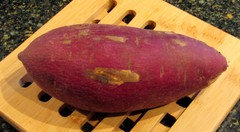
I thought Yams & sweet potatoes were the same thing?
9 years ago
Featured Answer
Sort by:Oldest
Comments (52)
Related Discussions
sweet potatoes/yams
Comments (4)Hi there, a layer (or two) of floating row cover may help your sweet potatoes by bumping up night temps. by 2-3 degrees. I love having a greenhouse in this climate. I was able to get a decent eggplant crop this year. Now I have kale, turnips and pak choi growing in there and I will put row cover on when the weather gets chilly....See Moreyams or sweet potatoes
Comments (6)Sweet potatoes are morning glory relatives, unrelated to potatoes or to true "yams", which are tropical. I have grown them several times in Winnebago County, with mixed results. One of the varieties is an Asian type grown for its edible _leaves_ (quite good, nutritious, and very prolific). I have also tried several others for their roots, that I bought through the mail. In cold, wet years, you won't get much, especially further north. And some varieties will play hide-and-seek, with tubers that wander up to 2 feet from the plant, or 8" or more below the surface (that was the Asian variety). In my hard clay, that was an experience... plenty of tubers, and most rotted because I did not have time for the _excavation_ needed to find them!! Sweet potatoes are generally planted (and sold) as "slips", which are the sprouts (sometimes rooted, sometimes not) that grow from the tubers. If you receive them unrooted, place them in a vase or glass of water for several days, and roots will form. It is best to plant them rooted; but you can also pinch off the lower leaves, and bury the lower half directly in the ground, if you keep them moist. Regardless of how you do it, get them in the ground quickly. Because sweet potatoes need warmth, they will benefit from covering the soil around them with a solar mulch to hold heat, such as black perforated plastic, or black landscape cloth (which will also hold down the weeds). You will have the best luck with "bush" varieties, and those bred for the North. If you are unable to find any locally, Sand Hill Preservation Center (in Iowa) has an extensive collection. They start shipping the end of May, however, so you would need to contact them soon. Here is a link that might be useful: Sweet potatoes...See MoreYams & Sweet potatoes
Comments (9)3. Vegetables Vegetables include plants that grow above and below the ground such as: green leafy vegetables, asparagus, broccoli, cabbage, cauliflower, celery, chard, dandelion greens, dark leaf lettuce, kale, okra, parsley, sprouts, squash, pumpkin, etc. (above) and: sweet potatoes, yams, carrots, etc. (below). However, they must be in a digestable form, similar to what would be in a prey animal's stomach. We can mimic this by chopping in a food processor or blender or chopping with a knife and lightly steaming them. It is best to leave out potatoes, onions and rhubarb. Limit or avoid raw legumes (peas and beans), but do use their sprouted seeds. Make sure that there is only a low level of the starchy vegetables like pumpkin (although sweet potatoes do tend to be extremely digestible especially for those with allergies), and not a preponderance of the sugary vegetables such as carrots. Sweet Potatoes and Oxalates Sweet potatoes are among a small number of foods that contain measurable amounts of oxalates, naturally-occurring substances found in plants, animals, and human beings. When oxalates become too concentrated in body fluids, they can crystallize and cause health problems. For this reason, individuals with already existing and untreated kidney or gallbladder problems may want to avoid eating sweet potatoes. Laboratory studies have shown that oxalates may also interfere with absorption of calcium from the body. Yet, in every peer-reviewed research study we've seen, the ability of oxalates to lower calcium absorption is relatively small and definitely does not outweigh the ability of oxalate-containing foods to contribute calcium to the meal plan. If your digestive tract is healthy, and you do a good job of chewing and relaxing while you enjoy your meals, you will get significant benefits - including absorption of calcium - from calcium-rich foods plant foods that also contain oxalic acid....See Moreo.k......Yam vs. Sweet potato
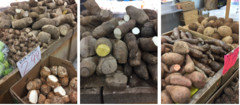
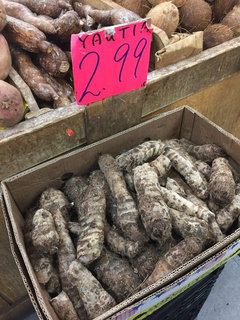
Comments (4)what a coincidence, I was just researching this yesterday. I tried to post link and was told this site is considered spam or advertising, so I can't include it. It's from the University of Illinois, and I sure hope that isn't some kind of no-no here. (when the heck did THAT start?...can't post a university study???) "...The confusion between yams and sweet potatoes may be traced back to the days when sweet potatoes were a staple in plantation diets. African slaves called the sweet potato "nyami," from a Fulani word meaning "to eat" or from the Twi word "anyinam," referring to the true yam, a root crop common to Africa and Asia. Over time, many markets began to advertise sweet potatoes as yams--and the name stuck. "What we traditionally eat on our Thanksgiving tables is most likely the sweet potato," said Nelson. "The name yam and sweet potato used to be used interchangeably in stores, but in recent years the USDA has tried to regulate use of the name. Any use of the word Âyam to describe sweet potatoes must be accompanied by the name Âsweet potato.Â" There are over 600 different species of true yam, and probably just as many uses for them. They grow underground from a vine and vaguely resemble sweet potatoes, but tend to be more cylindrical, and often have "toes" sprouting from them. "Many of them grow to astounding sizes, up to seven feet long and weighing 150 pounds," she said. "Their flesh can be white to bright yellow, and the tuber is covered in a very tough skin that is difficult to remove. "Many yams contain more sugar than sweet potatoes, but they must be prepared properly before they are safe to eat. Yams contain chemicals including oxalates that can have adverse health effects if eaten. Typically, yams go through cycles of boiling, pounding, and otherwise leeching out these harmful compounds before they are eaten." Particularly in ethnic markets, yams are becoming much more commonly available in the United States. They grow much like a sweet potato, but need up to a year of frost-free weather before harvest. A sweet potato, by contrast, will take 100 to 150 days to harvest..." j...See More 9 years ago
 9 years agolast modified: 9 years ago
 9 years agolast modified: 9 years ago
- 9 years ago
 9 years ago
- 9 years agolast modified: 9 years ago
- 9 years ago
- 9 years ago
- 9 years ago
 9 years ago
- 9 years agolast modified: 9 years ago
 PRO9 years agolast modified: 9 years ago
- 9 years ago
- 9 years ago
- 9 years ago
- 9 years agolast modified: 9 years ago
- 9 years agolast modified: 9 years ago
 9 years ago
 9 years ago
- 9 years ago
- 9 years ago
- 9 years ago
- 9 years ago
- 9 years ago
- 9 years agolast modified: 9 years ago
- 9 years ago
- 9 years ago
- 9 years ago
- 9 years ago
 9 years ago
- 9 years ago
- 9 years ago
- 9 years ago
- 9 years ago
- 9 years ago
- 9 years ago
- 9 years ago
 9 years ago
- 9 years ago
- 9 years ago
- 9 years ago
- 9 years ago
- 9 years ago
- 9 years ago
- 9 years ago
- 9 years ago
- 9 years ago
- 9 years ago

Related Stories

FOLIAGEGreat Design Plant: Ornamental Sweet Potato Vine
Versatile, fast growing, inexpensive and easy on the eyes, ornamental sweet potato vine has it all
Full Story
DECORATING GUIDESI'll Have the Same: How to Design With Monochromatic Color
Indulge the eye, offer a break from visual chaos and make decorating easier with single-color rooms in any shade you like
Full Story
FEEL-GOOD HOME12 Very Useful Things I've Learned From Designers
These simple ideas can make life at home more efficient and enjoyable
Full Story
EDIBLE GARDENSHow to Grow Your Own Sweet Summer Crops
This guide will help any gardener get started on growing the freshest warm-season veggies and berries for summer
Full Story
FUN HOUZZ14 Things You Need to Start Doing Now for Your Spouse’s Sake
You have no idea how annoying your habits at home can be. We’re here to tell you
Full Story
KITCHEN STORAGEPantry Placement: How to Find the Sweet Spot for Food Storage
Maybe it's a walk-in. Maybe it's cabinets flanking the fridge. We help you figure out the best kitchen pantry type and location for you
Full Story
LIFESo You're Moving In Together: 3 Things to Do First
Before you pick a new place with your honey, plan and prepare to make the experience sweet
Full Story
CRAFTSMAN DESIGNHouzz Tour: Thoughtful Renovation Suits Home's Craftsman Neighborhood
A reconfigured floor plan opens up the downstairs in this Atlanta house, while a new second story adds a private oasis
Full Story
HOME TECHMake Home Sweet Home Even Sweeter With a Brewery Or Winery
New high-tech products make small-scale home beer and wine production easy and fun
Full Story
CHRISTMAS10 Thoughtful and Thrifty Christmas Table Touches
If you’re after some affordable decorative touches to add to your holiday table this year, here are a few ideas to inspire you
Full Story
Olychick