

Anybody own a rental property? Pros and cons?
10 years ago
Featured Answer
Sort by:Oldest
Comments (33)
Related Discussions
Anybody build their own house with or partly with stone?
Comments (1)In regards to stone work, I wouldnt go it alone. Try to find a good mason that is willing to take you on as a laborer and helper. Perhaps you can pay him hourly with the understanding that you may eventually want to complete the project alone. It may be difficult to find such a willing participant. Faux stone is getting better but you better be extremely careful with the installation. If you dont get the details right it can be a disaster. I would avoid it. "pressed in stone" ?? I hope you mean for the flatwork only and not walls......See MoreA rental cottage on your own property???
Comments (6)I have an apartment in my primary residence, it is part of the house, not a separate cottage (wish it was separate). I have rented it for nearly 8 years. At first it was "illegal", and then I discovered the town had a special permit for "an additional dwelling unit in a single family home" and I applied for the permit. This required a building inspection as well as Board of Health review, and I had to install a 2nd egress to the exterior, and install smoke and carbon monoxide detectors, to comply with state fire code. But the apartment is now fully legal in every sense. Even before the apartment became legal, I claimed the income on my taxes (think it's schedule E?) and deducted expenses pertaining to the apartment which is calculated as 20% of the living space of the house. For example, the utilities are included in the rent, but I write off 20% of electric, oil, and water bills. The homeowner's insurance also lists the home as having two kitchens. If the cottage is legal rental, then that's great, but even if it wasn't that wouldn't stop me from renting it out anyway (discretely) AND filing the income and expenses on your taxes. I would make sure that the cottage is well-maintained - tip top condition - and that it complies with state fire code, to minimize liability. You really don't want to get in trouble with the IRS or get sued. This situation works out great (most of the time, I did have one whacko tenant). The rental income helps to pay the mortgage. I also own other rental property and have to say that maintaining a rental unit and monitoring a tenant on an owner-occupied property is much easier than maintaining rental property that is at another location....See MoreRental Property Gets Annual Code Inspection
Comments (23)Again, Brickeye offers irrelevant straw man arguments to support his untenable positions. He said: "I put those examples forward to show exactly how hard it can be to enforce codes." The reality is that once a new construction or remodeling project has passed an existing code inspection, it does not need to be brought up to future code levels. Code compliance that was required at the time of the inspection is all that is required. No one is debating that. No one suggested otherwise. So your reasoning here is baseless. Brickeye further stated: "I do know of jurisdictions that revoke COs at sale of the property and require a new inspection to grant a new CO each time ownership changes." Then Brickeye does not understand the authority under construction and existing building codes that gives the code official just that power. In fact, it happens more often than you would think. It is VERY common for private home inspectors to spot code violations that were missed after the issuance of a CO on, for example, new construction homes, only to have the CO revoked when a code violation has been found that may have been missed in a previous inspection or when the CO was issued based on fradulent information provided by the owner.. In fact, the building codes require rescining a CO in such circumstances. The current owner is made aware of the problem and required to come into compliance. Happens more often that you think. But all this completely irrelevant to the issue. The issue is, that buildings with previously valid COs can fall into a state of disrepair to the point that they become a hazard to the public well being. When that happens, maintenance codes apply, which can a do allow the government to force owners to take actions to correct them. This can be done with or without the permission of the property owner or by getting an adminstrative "search" warrant to enter the property to make inspection when probable casue has been shown to a presiding judge. Properties can be permanently condemned, temporarily condemned until repairs are made, or civil judgements sought against the building's owner. Commercial Builidng and Fire Codes do not require a warrant to search a privately owned commercial building if they are open to use by the public and are inspected during normal business hours, and Codes mandate that commercial building owners must make their buildings accessible for annual maintenance inspections. So maintenance inspections on private structures are not without precedent nor basis in law. Brickeye further commented: "Last time I looked insurance comanies are private enterprises and seem to look out for themselves pretty well." Insurance companies DO look out for themselves when they insure a property or are made aware of existing maintenance problems....but insurers do not routinely make safety inspections of private homes nor are they made aware of hazardous conditions which violate the terms of the insurance agreement by fradulent homeowners, and that is where the problem lies. If the insurer knows that a property is in a state of disrepair, they will insist that repairs be made or one's insurance coverage revoked. If the homeowner doesn't tell the insurance he is violating the terms of the insurance agreement, how does the insurer know? He doesn't, which is why insurance companies FULLY SUPPORT the use of routine maintenance inspections by Code Departments for private rental and other units. It saves them and their majority policy and stockholders money and protects them from paying out on fradulent claims. Deliquent owners who have no mortgages also are likely not to carry insurance on their structures. This becomes a public problem when, for example, there is a fire or building collpase and it is up to the taxpayer to pay for the cleanup. The cry and clamor that government has no business protecting it's citizens from irresponsible property owners is without merit. Government inspections protect the public, protect insurers, and protect other private owners who properties can be devalued by delapidated and dangerous properties. The anarchy that Brickeye suggests is pie-in-the sky and actually the most irresponsible and absurd position, and why Codes were developed in the first place: to protect the public from those who simply just don't care about anyone else but themselves....See MorePros and Cons of Construction Loans
Comments (33)I had a somewhat different experience. There was a good deal of email and looking on the web for supplies. But not a lot of google calendars and docs. subs were less tech savvy than the builder. Would not be surprised if they did things on paper. The builder would have had to work with both types. the people I know in the trades around here are less tech savvy than average even setting the builder aside. Friends, and other people we hired through the years for other things. few would do much beyond email. Some not even that much. If calendars were used would be whatever came with whoever’s phone or home pc. I think some of this is geographical and depends on if you are in a major metro i wouldn’t spend time on that tech savvvy issue now though. I’d get in touch with lenders and look for referrals. a good reputation, a personal referral, lenders who are eager to lend you money to work with the builder, that’s what you want...See More 10 years ago
- 10 years ago
 10 years ago
 10 years ago
- 10 years ago
 10 years ago
- 10 years ago
 10 years ago


Related Stories
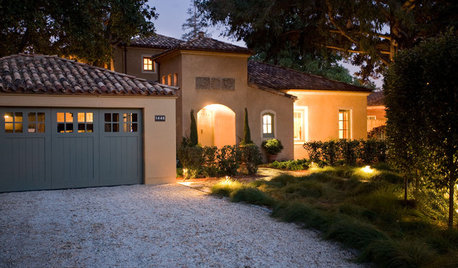
REMODELING GUIDESGravel Driveways: Crunching the Pros and Cons
If you want to play rough with your driveway, put away the pavers and choose the rocky road
Full Story
REMODELING GUIDESConcrete Driveways: Poring Over the Pros and Cons
Concrete adds smooth polish to driveways and a sleek look to home exteriors, but here are the points to ponder before you re-surface
Full Story
REMODELING GUIDESFrom the Pros: 8 Reasons Kitchen Renovations Go Over Budget
We asked kitchen designers to tell us the most common budget-busters they see
Full Story
MOST POPULARFrom the Pros: How to Paint Kitchen Cabinets
Want a major new look for your kitchen or bathroom cabinets on a DIY budget? Don't pick up a paintbrush until you read this
Full Story
LIFECould You Be a Landlord?
Sure, the extra income would be great. But jumping blindly into owning a rental property could be disastrous. Here's what you need to know
Full Story
KITCHEN DESIGNKitchen of the Week: Making Over a Rental for About $1,500
Fresh paint, new hardware, added storage, rugs and unexpected touches breathe new life into a Los Angeles apartment’s kitchen
Full Story
DECORATING GUIDESImproving a Rental: Great Ideas for the Short and Long Haul
Don't settle for bland or blech just because you rent. Make your home feel more like you with these improvements from minor to major
Full Story
BATHROOM DESIGNBathroom Countertops 101: The Top Surface Materials
Explore the pros and cons of 7 popular bathroom countertop materials
Full Story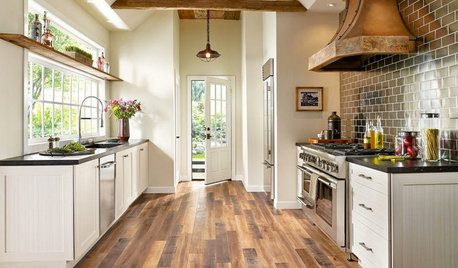
MOST POPULARPros and Cons of 5 Popular Kitchen Flooring Materials
Which kitchen flooring is right for you? An expert gives us the rundown
Full Story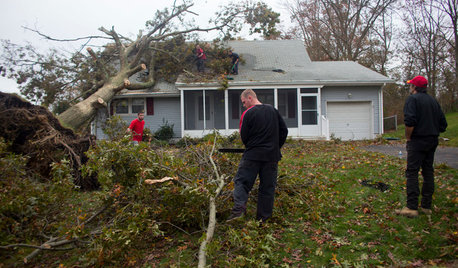
MOST POPULARWhat to Do After a Hurricane or Flood
How you treat your home after a natural disaster can make all the difference in its future livability — and your own personal safety
Full Story

mama goose_gw zn6OH