

Are you a counter? Of carbs, fats, calories, sodium, etc.?
9 years ago
Featured Answer
Sort by:Oldest
Comments (23)
 9 years ago
 9 years ago
Related Discussions
counting calories
Comments (4)I've been just counting calories for a bit over a year now and its been working really well for me. I started on new years of 2007 and have since lost about 67 lbs. (I did take about 2 months off in there due to a loss in the family and for me, greiving and dieting didn't mix.) I also exercise about 3-5 days a week, mainly walking/running and a weight lifting DVD. I've seen a nutritionist every few months and she agrees with what I'm doing. Basically I track my calories and aim for between 1200-1500 a day. I do try to make them highly nutritious calories. Whole grains, fruits and veggies, lean meats, and lots of fiber. I also take a multivitamin, vit D and calcium supplement. The great thing about just counting calories for me is that nothing is off limits and that I can occasionally splurge if I want to. For example if I know I'm going out to dinner tomorrow night to a nice resteraunt, I'll try to stay on the low end of my calories the day before, during the day of, and the day after. That way I can enjoy my higher calorie meal, but it doesn't derail me from my goals. Also make sure you are tracking everything with calories, including the drinks. If I'm going to happy hour with the gals after work, I skip my afternoon snack and use those calories for a recreational beverage. (And, because I'm restricting calories, one or two drinks is all I need to get a bit tipsy now.) I highly recommend some of the free calorie counting websites out there for tracking. fitday, sparkspeople, and calorie-count are some good ones....See More9 lbs gone in 3 weeks with High Carb diet!
Comments (12)HI Lydia, Thanks for the great tip. I have ordered the book and am very excited about your results. I have always found diets that severely limited bread intake never worked well for me. I am inspired by your weight loss considering you also have thyroid problems. (I am recovering from a total hysterectomy and have gained 24lbs in 3months I am also in surgical menopause, and was very despondent because I thought I just couldnt lose weight). I will keep you all posted on my progress because trust me, if I can lose weight, anyone can....See MoreFat, your time has come, you have overstayed your welcome
Comments (38)debby_ab, I actually like the Quest bars. I haven't tried any of the ones with sucralose because I can't stand the stuff. These are one of the few products I've found with stevia that doesn't really have a stevia aftertaste for me. I don't eat them on a regular basis, but I do keep a couple at the office for those days when I just didn't get any lunch together. They're certainly a better choice than anything from our vending machine! I like the lemon, coconut cashew and banana nut ones. The cinnamon is good but has a little too much stevia aftertaste for me. I like the thinkThin bars too. They are comparable to the Quest in protein (20 g) and sugar (0 g). They do have app. 24 g of net carbs, though, so a lot more than the Quest. If I'm pretty low carb at breakfast and dinner it's not an issue. They are also much lower in fiber than the Quest. They are more like a candy bar, so it's like a treat without the guilt. I really like the chocolate espresso. debby_ab, I admire you. 20 grams of carbs daily is difficult to stick to. I don't crave pie, cake, bread or pasta when I go that low carb. Instead I crave fruit. Doing the grocery shopping is torture, especially if I go to Whole Foods, because they often have samples of their fruit out. That, plus the fact that really low carb doesn't seem to work well for me, was why I decided to moderate my carb intake but watch my calories more. I think I was actually eating too many calories on the low carb plan. I was definitely in ketosis but not losing the kind of weight others describe. I stayed below 20 g of carbs for two weeks and still lost less than five lbs. DH's weight just drops right off when he's that strict about carbs. This post was edited by kittiemom on Sun, Jul 20, 14 at 20:27...See MoreNeed: low sodium, high protein, high-calorie
Comments (30)Barb, here is Alton Brown's recipe, you could easily leave out the salt and any of the flavorings you don't like. The brown sugar adds a nice flavor, but it'll make the sausage stick if your meat is too lean, so watch it carefully. I often use dried herbs, although the fresh are very good used like this the dried ones are good too. If you don't want to grind your own meat, just get ground pork or ground chicken and use that. I like it with chicken a lot. Breakfast Sausage Alton Brown 2 pounds pork butt (2 1/2 pounds with bone), diced into 1/4-inch pieces 1/2 pound fat back, diced into 1/4-inch pieces 2 teaspoons kosher salt 1 1/2 teaspoons freshly ground black pepper 2 teaspoons finely chopped fresh sage leaves 2 teaspoons finely chopped fresh thyme leaves 1/2 teaspoon finely chopped fresh rosemary leaves 1 tablespoon light brown sugar 1/2 teaspoon fresh grated nutmeg 1/2 teaspoon cayenne pepper 1/2 teaspoon red pepper flakes Combine diced pork with all other ingredients and chill for 1 hour. Using the fine blade of a grinder, grind the pork. Form into 1-inch rounds. Refrigerate and use within 1 week or freeze for up to 3 months. For immediate use, saute patties over medium-low heat in a non-stick pan. Saute until brown and cooked through, approximately 10 to 15 minutes. Recipe courtesy Alton Brown Ruthanna that's a great idea with flavored butters, CC could use unsalted butter and add things her husband likes. I love your Tomato Basil Butter, that's good on a lot of things. Annie...See More- 9 years ago
 9 years ago
 9 years ago
 9 years ago
- 9 years ago
 9 years ago
- 9 years ago
 9 years ago
- 9 years ago
- 9 years ago
 9 years ago
- 9 years ago
- 9 years ago
 9 years ago
- 9 years ago
- 9 years ago
- 9 years ago
- 9 years ago
 9 years ago
- 9 years ago

Related Stories
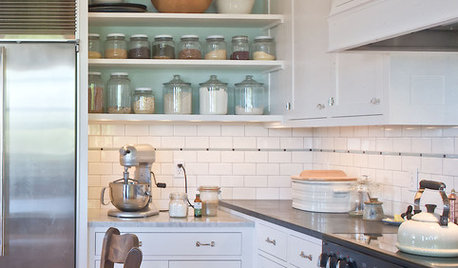
KITCHEN DESIGNLove to Bake? Try These 13 Ideas for a Better Baker's Kitchen
Whether you dabble in devil's food cake or are bidding for a bake-off title, these kitchen ideas will boost your baking experience
Full Story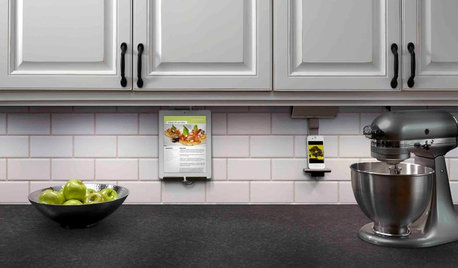
KITCHEN DESIGNHouzz Call: What’s Cooking in Your Kitchen?
Most of us turn to recipes, videos and culinary shows when we cook. Where do you set your cookbook, tablet or TV screen?
Full Story
KITCHEN DESIGN8 Kitchen Organizing Ideas for Messy Cooks
Not the clean-as-you-go type? Not to worry. These strategies will help keep your kitchen looking tidy no matter what your cooking style is
Full Story
MOST POPULAR7 Ways to Design Your Kitchen to Help You Lose Weight
In his new book, Slim by Design, eating-behavior expert Brian Wansink shows us how to get our kitchens working better
Full Story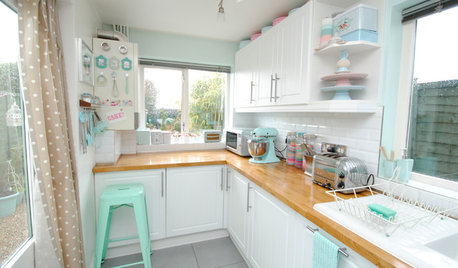
KITCHEN DESIGNGet Your Kitchen ‘Bake Off’ Ready
Make it easy to whip up a cake or a batch of cookies with these tips for organizing your space
Full Story
FEEL-GOOD HOME21 Ways to Waste Less at Home
Whether it's herbs rotting in the fridge or clothes that never get worn, most of us waste too much. Here are ways to make a change
Full Story
KITCHEN DESIGNKitchen of the Week: Great for the Chefs, Friendly to the Family
With a large island, a butler’s pantry, wine storage and more, this New York kitchen appeals to everyone in the house
Full Story
HEALTHY HOME12 Ways to Set Up Your Kitchen for Healthy Eating
Making smart food choices is easier when your kitchen is part of your support team
Full Story
FUN HOUZZ10 Things People Really Don’t Want in Their Homes
No love lost over fluorescent lights? No shocker there. But some of these other hated items may surprise you
Full Story
ENTERTAINING8 Stress-Busting Tips for Hosting Small Gatherings
Make entertaining easy with these ideas for casual get-togethers
Full StorySponsored

Customized Award-Winning Interior Design Solutions in Franklin Cnty OH

Jasdip