

Bee/wasp sting
9 years ago
Featured Answer
Sort by:Oldest
Comments (35)
Related Discussions
How long do the bees stick around?
Comments (2)Hollies flower quite early, when there is little else flowering, so they DO attract bees, etc. However A) if you want berries, you put up with the flowers, and B) it's soon over. Unless you or a family member are allergic to bee/wasp stings, if it were me, I would leave it there. The only other reason I might think about moving a holly away from a patio is if you like to go barefooted out there - evergreen does NOT mean a holly never loses leaves, only that they aren't lost all at once in the fall. The prickles on holly leaves, new or old, can be quite persistent, and are NOT nice to step on barefooted....See MoreBee Stings
Comments (20)I disturbed a ground wasp nest yesterday morning and got bit right around the achilles tendon. Felt like a searing hot poker, and it continued to burn and pain all day, finally subsiding about 10 last night. I had to ice my foot/ankle/leg most of the day - not a lot of swelling but jeez that hurt. I should have remembered the penny, maybe that would have helped. Today all is well, doesn't even itch very much. I don't remember cause I was too young, but mom likes to tell the story of when I was about 3 years old I disturbed a wasp nest or bee hive - got stung something like 17 times. After that healed and all was well I decided to play in a red ant pile. I actually do remember a bit of that - getting stripped naked outside to get the ants off. Many, many bites. That same year I fell out of the car (10 stitches on my head) and fell into the cellar from the trap door in the floor. Amazing I lived thru that year. I'm allergic to deer flies. I haven't been bit in a long time by one but I really swell from them. Hope you're better soon, Sharon. Itchy blisters, that can't be fun....See MoreIs there anyway to deter bees and wasps
Comments (4)I agree totally! There are no plants that will repell these insects. Also, the same thing is true for snakes. They come into our yards for prey. If you eliminate the habitat (lawn and landscaping) you won't have a snake problem. What a bleak prospect, however. You can overcome your fear of snakes with some good information gathering. Gaining confidance about stinging insects when you have the danger of allergic reactions is more difficult. I've been a working professional horticulturist for over 25 years (yikes!) and have never been stung. I used to be scared silly by wasps and bees and their kin. Now, I will spray sugar water on my arm to have them land on me and feed. If I were you, I would inspect around my home (eaves and porches) every once in awhile, to make sure that no unwanted guests are building nests....I would carry an epi-pen with me....and I would try to learn to enjoy the outdoors. Good luck.....I don't envy you at all....See MoreHusband got stung
Comments (5)Anaphylactic reactions to insect stings can be either immediate or delayed. Reactions that occur within four hours of the sting are classified as immediate, and reactions that occur more than four hours after the sting are classified as delayed. Generally, the sooner the reaction begins, the more severe it will be. Treatment -------------------------------------------------------------------------------- All suspected anaphylactic reactions require prompt medical treatment. A reaction that may initially seem mild, may progress to being more severe. Severe anaphylactic reactions need immediate treatment with a medication called adrenaline, given in the form of an injection. The main action of adrenaline is to strengthen the force of the heart's contraction and to open up the airways in the lungs. Adrenaline is usually sufficient to reverse the reaction, though more than one dose may be required to achieve this. Other medications that may also be used to further reduce the allergic reaction include corticosteroids and antihistamines. This is all I could find. The lady next door was attacked by a huge nest of yellow jackets. She took benedryl and was fine. It says adrenaline helps...so think of something that really makes your DH mad....???? roselee, that is so wierd! LOL!PJ...See More- 9 years ago
- 9 years ago
 9 years ago
- 9 years agolast modified: 9 years ago
- 9 years ago
- 9 years ago
- 9 years ago
- 9 years ago
- 9 years ago
- 9 years ago
- 9 years ago






Related Stories
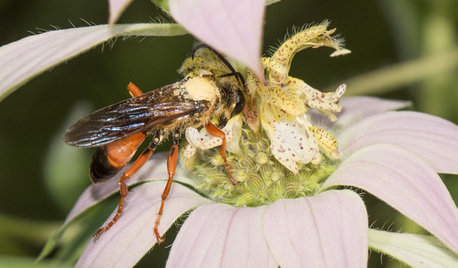
GARDENING GUIDESGreat Golden Digger Wasp: A Beneficial Flower-Visiting Insect
Introducing the great golden digger wasp, a colorful pollinator that also hunts foliage-eating insects
Full Story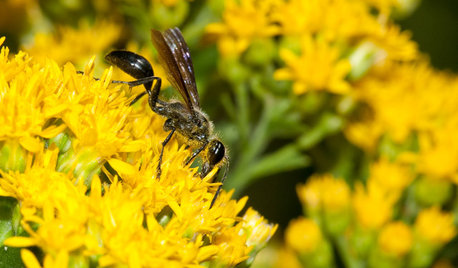
GARDENING GUIDESMeet the Grass-Carrying Wasp, a Gentle Pollinator of Summer Flowers
These fascinating insects nest in wood cavities and hollow plant stems
Full Story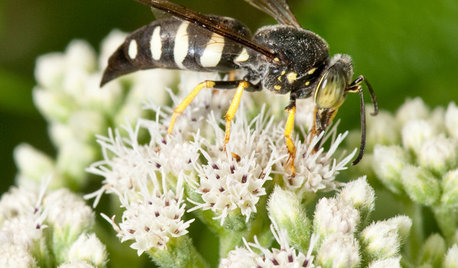
GARDENING GUIDESSand Wasps Keep True Bugs in Check and Help Pollinate Summer Flowers
Look for these solitary wasps nesting in sandy sites and foraging on flowers in July and August
Full Story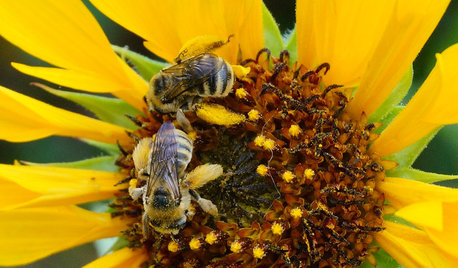
EARTH DAY12 Entertaining ‘Bee-haviors’ of Native Bees
The parade of pollinator antics is another reason to create a garden that nurtures native bees
Full Story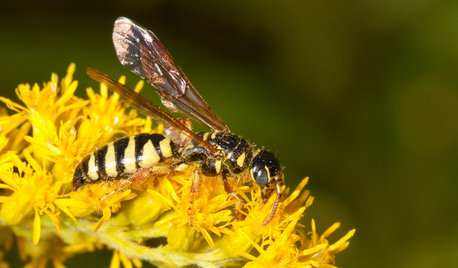
GARDENING GUIDESAttract Thynnid Wasps With Summer-Flowering Native Plants
These beneficial insects will hunt damaging beetle grubs in your lawn
Full Story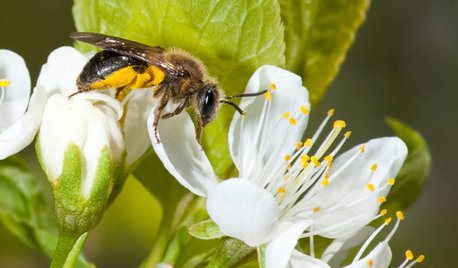
GARDENING GUIDESInvite Mining Bees to Your Garden by Planting Their Favorite Plants
Look for mining bees (Andrena) pollinating woodland wildflowers in U.S. gardens this spring
Full Story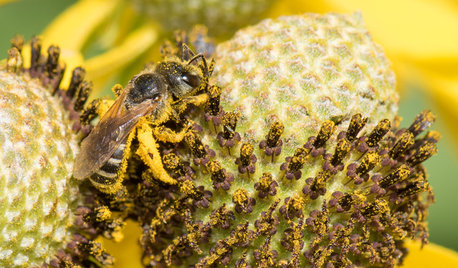
GARDENING GUIDESWelcome Sweat Bees to Your Garden Throughout the Growing Season
Look before you swat! These friendly sweat bees will feed on your sweat on a hot summer day, but their main buffet is flowers
Full Story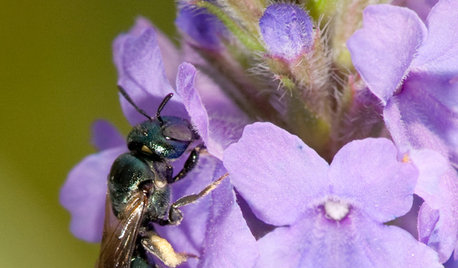
GARDENING GUIDESSmall Carpenter Bees Are Looking for a Home in Your Plant Stems
Provide flowers and nesting sites in your garden for this beautiful, tiny, metallic blue wild bee — your plants will thank you
Full Story
EARTH DAYHow to Design a Garden for Native Bees
Create a garden that not only looks beautiful but also nurtures native bees — and helps other wildlife in the process
Full Story
GARDENING FOR BUTTERFLIESGardening for the Bees, and Why It’s a Good Thing
When you discover how hard bees work for our food supply, you may never garden without them in mind again
Full Story

ravencajun Zone 8b TX