

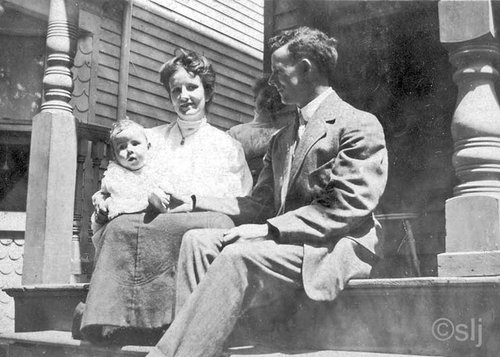
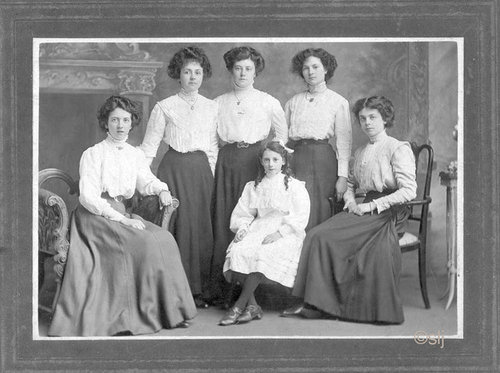
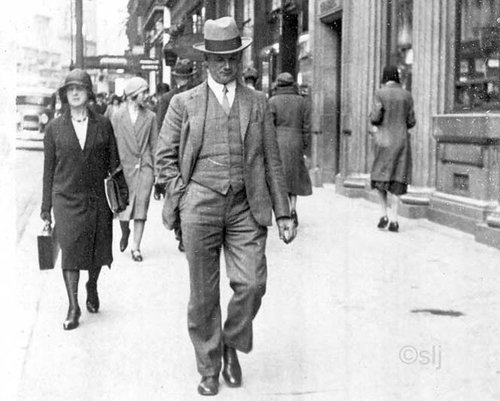
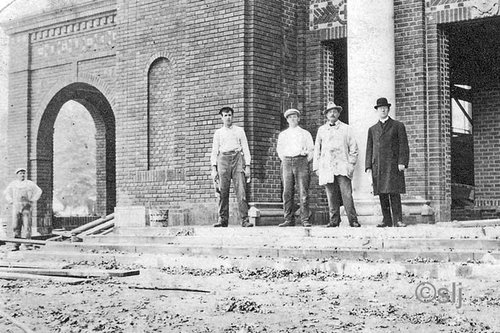
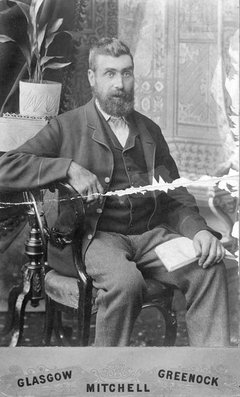
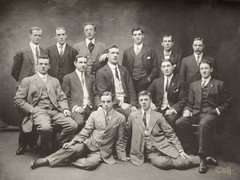
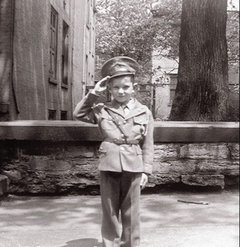
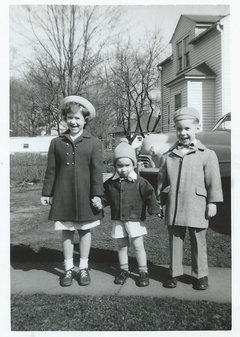
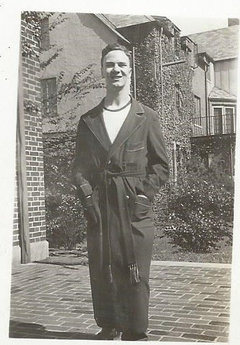
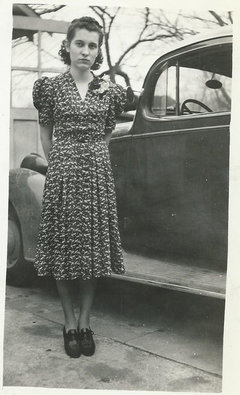
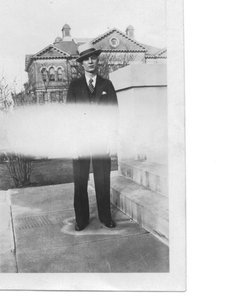
Time to share some more old photos.
10 years ago
Featured Answer
Sort by:Oldest
Comments (21)
 10 years ago
- 10 years ago
Related Discussions
Today's photos - some new some old.
Comments (7)Yes, Bill, it's a mystery why some p*lants grow and some don't. I think that it is just so much more complicated then we can see, how plants thrive. Yet it appears to us that p*lants grow so simply. Quite the conundrum. That is very interesting about your lilac. I never had anything growing under it, so maybe I will try that some time. Claire, I am putting Thalia on my list for the fall. I think I am going overboard on daffodils lately. [g] They look so small when you first plant them, but they really fill out into large patches after a few years. I moved a patch into an area with not enough sun in the fall and it had no blooms at all on it this spring. So I think I am running out of enough sun. The Haweras are very cute and not so much dying foliage to put up with either. I did see the plant support and wondered if you had it in place for something that hasn't grown yet. [g] That Dicentra GoldHeart really catches my eye every time I see it. Really stands out. Wow, when that gets full grown! I really like Pieris and I hope I can keep them going in my g*arden. I fear I am too dry for them, but I water a lot, so maybe....See MoreIt's time to post some more old family photographs
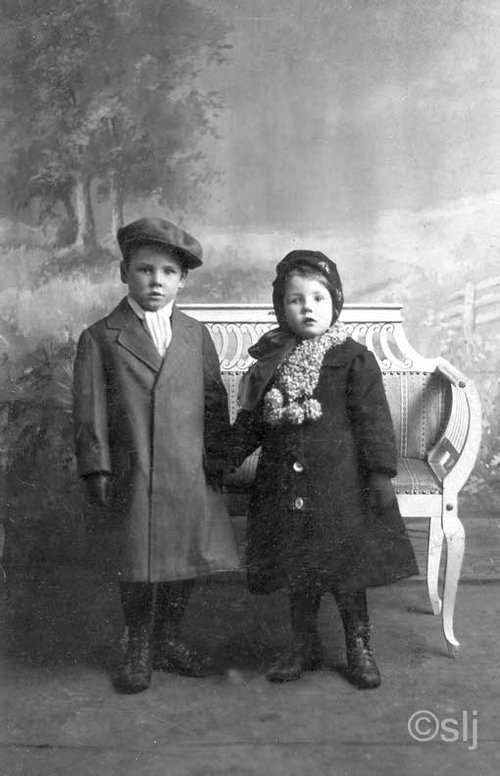
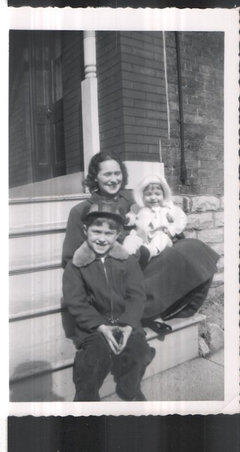
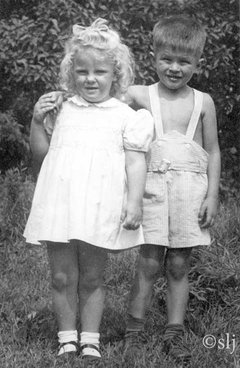
Comments (25)This is another recent find: My stepmother, age 3, with her maternal grandmother in Scotland. The back of the photo says "Marion with Wee Granny." I guess this grandmother wasn't very tall. :-) Wee Granny's name was Marion Orr Hughes. Her daughter Mary emigrated to America with her new husband shortly after their wedding. They returned with their children--a boy, 4, and a girl, 3--for a visit several years later, but never went back after that. It must have been so hard for the parents in the old country . . . no email, no Skype, no jet travel. I've often thought the same thing about the parents of American pioneers. To see their grown children and grandchildren venture out in a covered wagon, not knowing what might befall them. Anyway, here's little Marion and big (or not) Marion....See MoreTime for another thread of old family photos
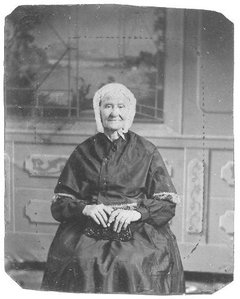
Comments (58)Alisande: About the Arminta photo My mother assumed this photo was the original, but on examination, I think it may be a copy that was made as part of manual rework. My photo shows signs of manual work on the image, particularly in her hair and shading around her ear. It appears that this image has hand drawn features, i.e., rework. It may have been a spoiled image that was repaired. My guess about the process is thus: A working copy was made of the original. This copy was enhanced using charcoal and artist pencils detailing a number of features. The reworked image was photographed and that's what I have, one of those copies. You may be correct about her age in this photo. She seems older than 16 to 18 years. I would guess mid-twenties. Its my theory that she would not have sat for a portrait during the period of 1861 through ca 1870 because she would not have had the means nor money to spend on non-essentials. This pushes the date out of the Civil War period and toward her marriage in the 1870s. Some important dates in photography: 1851: Wet Plate, Glass Frederick Scott Archer, a British photographer, coated a glass plate with a sticky, wet substance called collodain. This glass plate was dipped in light sensitive silver salts and it had to remain moist during the exposure, hence the term, wet plate photography. (The coating would crackle if it dried out before further processing.) 1856: Ferrotypes or Tintypes Photographers began using thin metal plates instead of glass to hold the collodion emulsion. These plates were called ferrotypes, and became known as tintypes. The images on ferrotypes are reversed left to right. A lady may appear to have a wedding ring on her right hand; For years, folks thought that Billy, the Kid was left handed until it was realized that his image was reversed on the tintype. 1861: Matthew Brady produced the first of his famous Civil War photographs. (Brady's crew, not Brady himself made most of the photos from the front lines. However, the Brady Civil War photos were a private effort organized and financed by Brady.) 1871: Invention of the dry plate process A British physician, Richard L. Maddox, replaced the collodion with gelatin. The gelatin could dry on the plate without cracking or harming the silver salts. This eliminated the need for a photographer to carry around a darkroom and lab with him. This was one of the greatest advances in photography. Late 1870s, light sensitivity of gelatins were improved. Early Daguerrotypes required an exposure of 10 minutes of more (tough for portraits!). The new gelatins of the late 1870s could be exposed in 1/25 second,...See MoreI'll try to share some more photos
Comments (14)I don't resize either. Maybe I should but that would involve me learning how on my very limited editing program (if I even have that feature?) and I'm not up to it.........My favorites are Kitty Bannerman, Lucky Streak and Acquire the Fire. Interestingly enough, that deep red you get on Acquire the Fire is the same here in our climate (heat index = 110 F Tuesday, actual temperature 104 F) - with exceptional colorfast/sunfast qualities for such a dark color. That makes it one remarkable daylily in my book.................Maryl...See More 10 years ago
- 10 years ago
- 10 years ago
 10 years ago
 10 years ago
- 10 years agolast modified: 10 years ago
- 10 years ago
- 10 years ago
 10 years ago
- 10 years ago
- 10 years ago
- 10 years ago






Related Stories
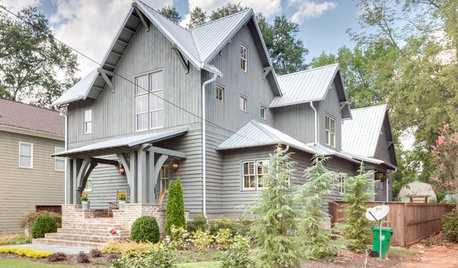
FARMHOUSESHouzz Tour: Some Old Tricks for a New Atlanta Farmhouse
A ‘pretend story’ helped this builder create a new farmhouse that feels like it was added onto over several generations
Full Story
KITCHEN DESIGNCouple Renovates to Spend More Time in the Kitchen
Artistic mosaic tile, custom cabinetry and a thoughtful layout make the most of this modest-size room
Full Story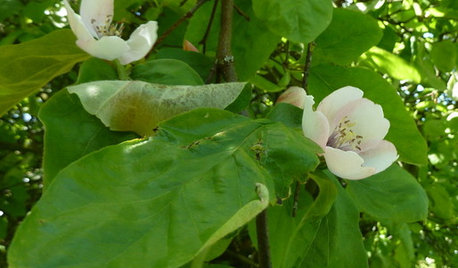
EDIBLE GARDENSWhy Grow Quince? For Beauty, Fragrance and Old-Time Flavor
Delightfully perfumed fruit and lovely spring blossoms make this apple and pear cousin worth a spot in the garden
Full Story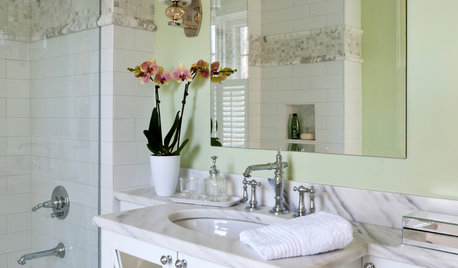
BATHROOM MAKEOVERS21st-Century Amenities for an Old-Time Show House Bath
Updated but appropriate features help an old-fashioned bath in the 2014 DC Design House align with modern tastes
Full Story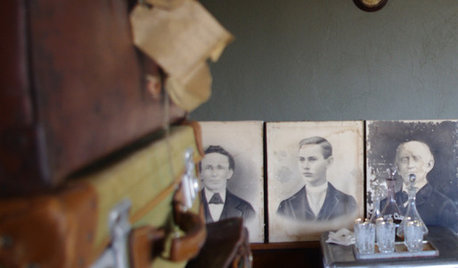
DECORATING PROJECTSWhat to Do With Old Family Photos
Find out how to research, share and preserve images that offer a connection to the past
Full Story
LIFEShare Your Winter Storm Jonas Photos and Survival Tips!
Let’s see your pictures and hear your ideas on how you’re keeping your house warm and staving off cabin fever
Full Story
INSIDE HOUZZInside Houzz: More Filters Make Photo Browsing Even Better
Find the inspiration you’re looking for faster with room-specific filters for the millions of photos on Houzz
Full Story
LIFETime Travel to Houzzers' Childhood Homes, Part 1
Peek into home design's past and share the memories of Houzz community members with these personal photos and stories
Full Story
SMALL SPACESGetting a Roommate? Ideas for Making Shared Spaces More Comfortable
Here are tips and tricks for dividing your space so everyone gets the privacy they need
Full Story
KITCHEN DESIGNKitchen of the Week: Modern Comforts in an Old-Time Home
Real appliances and artful storage replace a hot plate and sparse cabinets in a San Francisco Victorian
Full Story

hooked123