

****Gas or Electric Oven?
10 years ago
Featured Answer
Sort by:Oldest
Comments (33)
- 10 years ago
Related Discussions
Gas or Electric Oven?
Comments (1)Why don't you start with these threads (or use the search box at the bottom of the threads listings)? There's sure to be something helpful there :) Gas ovens vs electric ovens - Please explain preferences Gas or Electric oven...See MoreTrying to decide between a gas vs electric oven, any advise please?
Comments (9)There are a few differences in gas and electric ovens. You will find that chefs and manufacturers would say gas is “moist” heat because water is a byproduct of combustion and so electric must be dry. The problem is they are not looking at the whole oven and the process of cooking. What are sources of moisture and what happens to it? There is moisture released with the combustion of gas. Food also produces quite a bit of moisture in the cooking process. I read just a couple of weeks ago on the Miele website that a cake baking provides the equivalent of the 30 % steam setting on their steam oven. Imagine how much moisture is produced with some other foods. Gas ovens have a much bigger vent to vent the products of combustion and moisture from food. You have a lot more movement of air through a gas oven while an electric oven has a much smaller vent, holding on to the moisture produced by the food. Reading cooking and baking forums you hear these comments over and over. Gas ovens put more heat and moisture into the kitchen. Gas ovens are great for roasting and browning. If you read about the Maillard reaction, you will see that you must have drying to allow the temperature of the surface to rise and browning chemical reactions to take place. Some bread bakers want to add steam at the beginning of baking to promote starch gelatinization for a specific type of crust. They report it is much more difficult to keep added steam in a gas oven. Baking is a complex interaction of variables so it is difficult to make hard and fast rules because you only have to change one or two of the variables and get a different result. Some bakers say that cakes don’t rise as well if they had an electric oven and go to gas. Sometimes they say gas produces a dry looking cake. This again has to do with starch gelatinization being prolonged in an electric oven giving a little longer rise. This doesn’t mean you can’t bake in gas. I think some recipes work well in gas and over the years, you keep recipes that work and discard those that don’t. Cake mixes are formulated to work in different conditions so work with both. Things with more sugar may also show more difference. Eveness in baking is tricky. That’s what everybody wants. Convection is marketed as the answer to even heat but it can make air currents that make hot spots. The fan is drying to the surface of what you are baking or roasting so that part browns quicker if it gets exposed to an air current. Some companies try to fix that by having two fans, baffles or a reversing fan. Some ovens have a variable speed fan. The fan does change the direction of heat so that it comes from more directions instead of the bottom. Many recipes for cakes and pies were developed with the heat coming from the bottom. There are very expensive electric ovens that don’t have it right and my DILs Bosch gas oven is pretty good. My Electrolux oven is pretty even but has other problems. Aside from the the nature of the heat, electric ovens can have more control. They may have a third element (true or European convection) and direct heat from the top or bottom, more from the top for roasting. A few gas ovens may have these features now. They can have very tight control of temperature, maybe +/- 2F but I’m not sure how much that matters. More important to me is the range of temperature. My current oven has 80-450F and the fan can blow with the heat off or up to 450F. Some ovens only go as low as 225F. Both of my ovens have slow or fast fan speed. I know bakers that use gas and electric. Some commercial ovens have steam injectors and ventilators to control humidity. Gas broilers come come in two forms, the first is a conventional one that doesn’t get that hot. There are also gas infrared broilers that heat evenly and get hot but might be smaller....See MoreBertazzoni Gas Range, Electric Oven Advice.
Comments (0)I’m interested in the following models. Pros and Cons? Do these models have the loud fan that turns on automatically?...See MoreOpinions -difference between gas and electric ovens, baking especially
Comments (11)I have now owned my Bluestar RNB for about 10 years. I don't think I have ever cleaned the venturi tubes. I take out the cast iron grates for handwashing ever so often, but I only once washed them in the dishwasher. That happened after the contractors messed things up badly during the remodel. Came out sparklingly clean, but had to be reseasoned with some vegetable oil and an hour or two in a hot oven. Normally, I just wipe with a damp rag, and then every month or two, I try to clean a little more thoroughly. Once or twice a year, I empty out the drip tray. As for baking, the Bluestar has an evenly heating and predictable oven. Holds the temperature very steadily and has a functional convection fan. I liked baking with it, except for the fact that it takes a long time (at least 20min) to preheat properly. I usually keep a big fibrament baking stone in there, but I believe it works well even without the stone. It also has the most amazing infrared broiler. It's such a useful tool. That alone makes the oven worthwhile. After our remodel, we now also have an electric combination steam oven. I find I use if more frequently now. It is much smaller, which means it preheats in no time. That's really useful. Also, there are lots of applications where it is useful to have fine control over moisture. But surprisingly, I find that baking is not really all that different. Yes, you have to make adjustments. But I have had to do that for any of the ovens I ever owned. Every oven is a little different. Fuel source is the smallest issue, IMHO. But temperature stability and even heat distribution does matter a lot. Also, some convection fans are great at spreading out the heat, whereas others result in localized hot spots. So, you just have to figure out these details when you first work with a new oven....See More- 10 years ago
 10 years agoVi Truvian thanked dcarch7 d c f l a s h 7 @ y a h o o . c o m
 10 years ago
- 10 years agoVi Truvian thanked dcarch7 d c f l a s h 7 @ y a h o o . c o m
- 10 years ago
- 10 years ago
- 10 years agoVi Truvian thanked dcarch7 d c f l a s h 7 @ y a h o o . c o m
- 10 years ago
- 10 years agoVi Truvian thanked dcarch7 d c f l a s h 7 @ y a h o o . c o m
 10 years ago
- 10 years ago
 10 years ago
 10 years ago
- 10 years ago
 10 years ago
- 10 years ago
- 10 years ago
- 10 years ago
- 10 years ago
- 10 years ago
 10 years ago
- 10 years ago
- 10 years ago


Related Stories
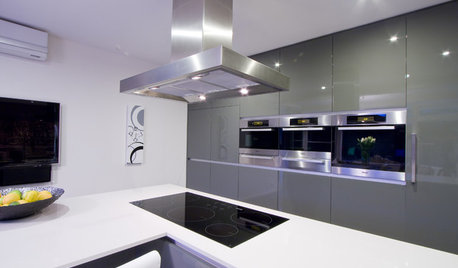
KITCHEN APPLIANCESFind the Right Cooktop for Your Kitchen
For a kitchen setup with sizzle, deciding between gas and electric is only the first hurdle. This guide can help
Full Story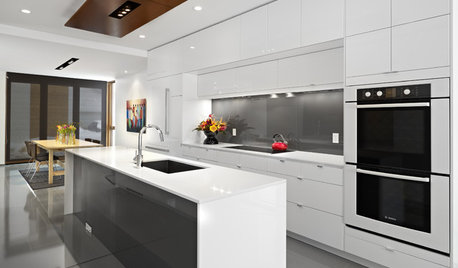
KITCHEN APPLIANCESFind the Right Oven Arrangement for Your Kitchen
Have all the options for ovens, with or without cooktops and drawers, left you steamed? This guide will help you simmer down
Full Story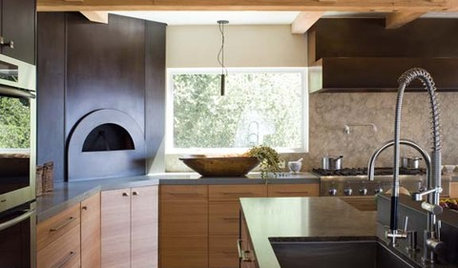
KITCHEN DESIGNKitchen Luxuries: The Wood-Fired Pizza Oven
If you love homemade pizza and are (ahem) rolling in dough, a wood-burning oven may be just the right kitchen investment
Full Story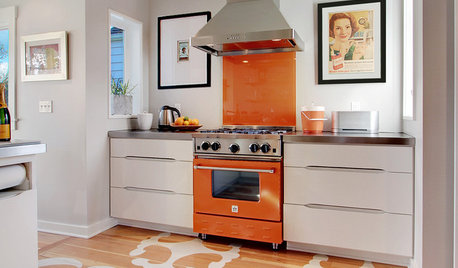
HOUSEKEEPINGHow to Clean Your Range and Oven
Experts serve up advice on caring for these kitchen appliances, which work extra hard during the holidays
Full Story
LIVING ROOMSHow to Convert Your Wood-Burning Fireplace
Learn about inserts and other options for switching your fireplace from wood to gas or electric
Full Story
DECORATING GUIDESDecorating With Neon: It’s a Gas
Illuminated letters are lighting up interiors. What would your sign say?
Full Story
ACCESSORIESEasy Green: Cut Electricity Use With 15 Unplugged Home Devices
Crank up the energy savings, courtesy of household items that come into power the old-fashioned way: manually
Full Story
GREAT HOME PROJECTSHow to Get a Pizza Oven for the Patio
New project for a new year: Light a fire under plans for an outdoor oven and claim the best pizza in town
Full Story
OUTDOOR KITCHENSOutdoor Room of the Day: This Patio Cooks, Even in the Rain
Washington homeowners create their dream outdoor kitchen with a pizza oven, gas grill, fireplace and more
Full Story
MY HOUZZMy Houzz: Renovation Brings Energy Efficiency to a Netherlands Home
A family of 5 tackles a potentially large gas and electric bill in a 19th-century house
Full Story


annie1992