

Is Monarda native or invasive?
10 years ago
Featured Answer
Sort by:Oldest
Comments (7)
 10 years ago
Related Discussions
Differentiating natives from invasives. #1
Comments (8)Pinksand, I think you are correct. Mine don't look much like the pictures at most of the sites, because they are growing in such shade and competing with the Lily of the Valley roots. Hopefully the Boltonia will fill in as I get rid of the LOV. Thanks...See Morenative red monarda (didyma)
Comments (4)They grow wonderfully in the NC mts. in seeps where there is a patch of sun. I have tried some in drier sites, and they did not do well. I plan to collect seeds next year if the plants are still in the place for which I have permission. There WAS a big stand of them where someone built a house AND channeled the spring away from them. In two years they were all gone. So, apparently they do need more water than other monardas. Oh, same for the Gray's lily that was nearby. What a shame as it is a plant that is threatened or endangered in most areas....See MoreNative or Invasive- Help ID this groundcover--NC
Comments (3)Rather than a Galium, I believe you have a Diodia, perhaps Diodia virginiana, Virginia buttonweed (which despite the name is apparently a native of Alabama). Native or not, it will take over. It roots as it goes, and can sprout from a loose bit cut off by the lawnmower, as well as by seed. If yours spread from a small clump to a 2'x3' clump over the summer, that means it's spreading at least 12" in a season. How big is your flowerbed? Here's an interesting article about Virginia buttonweed in lawns. (I have to say, though, that I never water my lawn, and it grows tall between mowings -- but the buttonweed is still spreading.) http://mobilebotanicalgardens.org/2012/07/12/beating-buttonweed/...See MoreLaurel cherry : Yeah native, but behaviorally invasive
Comments (5)We had some in our yard years ago - right up against the house and along the property line too. The wood is so incredibly dense and hard to cut back - every seed seemed to sprout, and it sent up suckers too. We did finally eliminate all of it, but it took a very long time. The fruits were hard and inedible to humans, but the birds seemed to like them and helped spread them. Wild cherry is something else, perhaps that's what you're remembering DG?...See More 10 years ago
 10 years agolast modified: 10 years ago
- 10 years ago
- 10 years ago
- 10 years ago
Related Stories
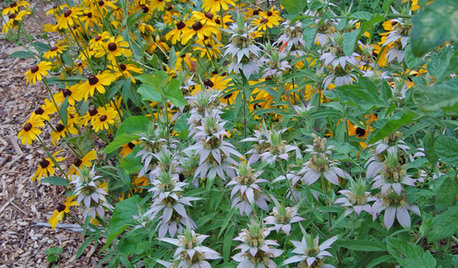
GARDENING GUIDESGreat Design Plant: Spotted Beebalm (Monarda punctata)
Looking for unusual, long-lasting blooms, low maintenance and deer resistance? Try this self-sowing perennial
Full Story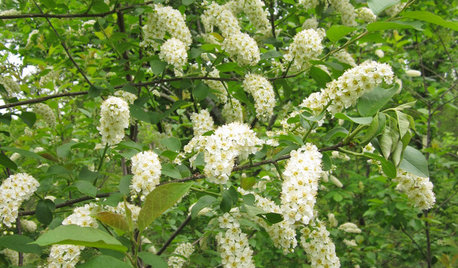
TREESNative Plant Alternatives to Invasive Common Buckthorn
Learn how to identify and control this aggressive plant, and what to grow in its place
Full Story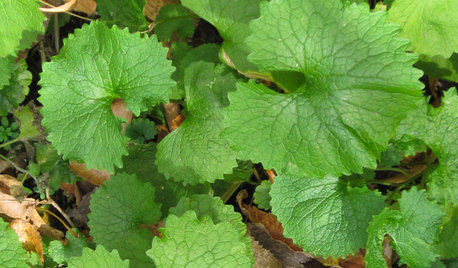
GARDENING GUIDESDo You Have This Invasive Plant in Your Yard?
Garlic mustard is spreading across the U.S. Here’s how to spot it and what to do
Full Story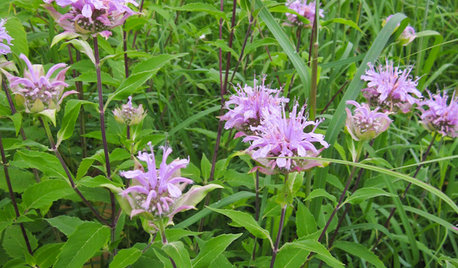
NATIVE PLANTSGreat Design Plant: Wild Bergamot, Friend of Foragers
Nourish butterflies and other winged creatures with the tubular flowers of Monarda fistulosa, a pretty pink native
Full Story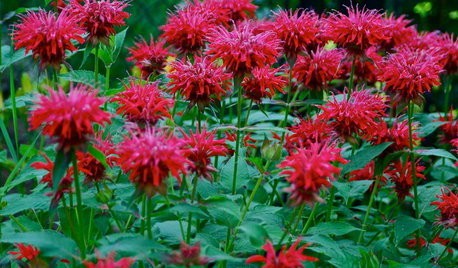
GARDENING GUIDES10 Deer-Resistant Native Flowers to Plant This Fall
Learn about natives that embrace some kinds of wildlife but resist grazing deer
Full Story
GARDENING GUIDESTop 10 Native Plants for the Northeast
For a low-maintenance, wildlife-friendly landscape, use native plants adapted to the climate and range of soils in the Northeast
Full Story
NATIVE PLANTS10 Essential Native Perennials for the Great Lakes and Upper Midwest
These adaptable native plants thrive in a variety of conditions and will provide flowers throughout the season
Full Story
GARDENING GUIDES15 Native Flowers That Feed Native Bees
These perennials offer superfood to hundreds of bees and are gorgeous in their own right
Full Story
GARDENING GUIDESGarden-Friendly Native Alternatives to Overplanted Exotics
There are lots of gorgeous, wildlife-friendly native plants ready to make an appearance in your garden
Full StorySponsored
More Discussions
gardengal48 (PNW Z8/9)