

Tom's Guide
10 years ago
Featured Answer
Sort by:Oldest
Comments (8)
- 10 years ago
Related Discussions
summer sowing
Comments (9)I have found increasing the soil volume reduced some of the pressure in terms of water need. I am sowing seed in about 4 to 6 inches of soil in open containers. The day and night temps are above 70 dgerees so germination occurs quickly. I am germinating rudbeckia, foxglove, hollyhocks, and grasses in open containers and transplanting hunks into one gallon contaiers to be planted out in early september. I have an incredible amount of plants to choose from (or give away) for new beds. While most of this stuff might not bloom this year, it will put on a show in the future. My neighbors think I have lost it; our garden is full of potted plants waiting for a home. Plastic trays for summer sowing (Recycled medication trays from the hospital: the back row of pots is weeping love grass. Potted up 'hunks' PC...See MoreOnline nursery review guide w/ photos continued
Comments (16)This week I'll review my experiences with Stanley and Sons nursery. ***************************** STANLEY AND SONS ***************************** Stanley and Sons Inc. is a Wholesale nursery located in NW Oregon. They have specialized in rare and unusual conifers and Japanese maples since the mid-1970s with some ten acres of nursery grounds and grafting/offering more then 2000 different conifers. While they are 'wholesale', they do occasionally offer their wares to avid collectors, provided you meet certain requirements. Since Stanley and Sons is a wholesale seller, often the prices of the plants are unbeatable. To acquire such plants, retailers or collectors usually must have a retail nursery or membership into the ACS - American Conifer Society. Also, orders must contain a minimum number of plants(depending on the size of the plants). www.stanleyandsons.com Inventory: ***** S&S has the largest overall offering of conifers that I'm aware of online. Offering some 2,000+ conifers, including new ones every year from Holland/New Zealand, they offer both common plants you might find at Lowes, to very rare plants seldom seen in any but the most exclusive online nurseries. They also offer large stock supplies of many of their conifers, with some conifer inventories listed in the thousands. For the retailer, S&S offers a gigantic selection of very well priced conifers covering both large and small. I have friends who run a landscaping business and they have recently pledged future funds in return for unique conifers to provide their customers landscapes. I have also found S&S to be an extremely reliable source to find rare and unusual conifers - particularly 'large upright' conifers that I've had a very hard time finding online. Stock quality/size: **** S&S offers many sized plants, but the overwhelming majority of plants listed for sale are 4" pot and 1 gallon sized plants. S&S does offer 3-gallon and 10-gallon(or larger) plants, but these are much less common and are also sometimes too large to ship via UPS. The size of the plants varies from small one-year grafts to large, overflowing plants that are 3-5 years old or more. I've ordered a half dozen plants in three gallon sizes and I was impressed every time. Generally speaking, the 4" pots are 'starter' plants, often very recent cuttings. Where the size might be lacking is more then made up for in quality - Stanley and Sons offers some of the healthiest looking plants I've experienced from any nursery online. General experience/Customer service: *** Stanley and Sons has an impressive packaging/shipping routine. Every conifer is well labled with size/habit details and every box is extremely well packaged. Shipping for me here in the Northwest is both inexpensive and very quick, usually overnight. Of course I live within 3 hours of S&S nurseries, so East coast travel times may be longer. Stanley and Sons is a WHOLESALE nursery, so they operate much differently then other nurseries you may have experienced. From what I have seen and read here on these forums, it can be difficult to contact them directly and they may even scold customers from calling/asking specific details. Really, any collector/conifer enthusiast should be happy enough if they are offered these conifers in the first place. Complaints/pestering, etc. are not likely to be well received, especially given the huge discount you're already looking at on very fine plants. Orders are usually placed online with a pre-given CC# and confirmation of the order is usually given in 24 to 48 hours. Sometimes stock may not be present even if it shows on their availability list - again, another aspect of the wholesale industry. I've never had a bad experience with Stanley and Sons and would recommend them for anyone with retail needs or looking to add to their collection. Just keep in mind that they are wholesale, so being able to even shop from them is a huge perk. Value: **** Unquestionably, S&S offers some of the least expensive plants I have come across. I've purchased several dozen plants between $7.50 and $15 that have thrilled my landscaping friends. Though they aren't 'instant gratification plants', the rarity of some of these plants gives them top value. While other nurseries offer older stock, S&S has the best prices. This of course is an uncomfortable point - Stanley and Sons is WHOLESALE, and their are ethical questions whether or not 'retail consumers' should even have access. It's not one I'll argue either way as I am just a small fish and new to all of this - just keep it in mind if you're considering placing and order - and certainly don't be upset if you're denied access. Personally I have found many nurseries to have redeeming qualities when it comes to their own offerings, and I have and will continue to place orders with other nurseries, but for the conifer enthusiast on a budget, S&S really is sort of your holy grail of nurseries. If you have more time then money, it is probably one of your best options. In the end, whether you're a retail nursery owner or a very avid conifer collector, Stanley and Sons offers an extremely reliable, inexpensive way to further increase your wares. It's impossible not to recommend them. A typical 'cart' of 15 4" pots. Chamaecyparis obtusa 'Confucious' 1GAL - $7.50 Cryptomeria japonica 'Black Dragon' 1GAL - $7.50 Cryptomeria japonica 'Elegans Compacta' 1GAL - $7.50 (Huge plant for 1 gallon sized) Picea abies 'Chrudim WB' 4" POT - $10 Picea abies 'Hildburghausen' 3GAL - $25 Pinus nigra 'Gaelle Bregeon' 3GAL - $25 Psuedotsuga menziessi 'Valdstejn' 1GAL - $15 Next week: Cloud Mountain Farms and Girards Nursery. Will...See MoreWanted Cuttings from Tom plant that grew a big one
Comments (13)Good comments Bill P. Thank you for your response. I guess I should explain a few things. First of all the genetics on every tomato plant are different. They are definitely not the same. The variations are small enough that they are called the same variety but still different. Second you can keep a plant alive for 100 years by cloning. When you clone, you take a healthy new shoot and you root it with healthy new roots. the old stem and old roots die but the new stem and new roots are young and fresh. So if you do this say every 6 months or every year depending on conditions you are all set. I believe for example the big money hybrids are grown from the idential two plants which are kept alive via cloning. Big Boys parents have been kept alive for almost 60 years. They do not grow new parents from seeds. That would actually give a different tomato. The same must be true of Jet Star and Supersonic and all the big names. I can only assume that it is true for Big Zac. If not true then the seeds produced every year will be different. This probably also requires them to make say 1000 clone plants for the male and 1000 clone plants for the female before growing them out and crossing them to make seeds. A very big job. OK lets say one plant in 10 of a certain variety produces big tomatoes without using the special techniques of the Giant Tomato growers. In other words we know it has good genetics just right to grow big. Now say we clone that plant and make 10 copies to grow out. It makes more sense to me to grow out 10 clones of a known good plant then to grow out 10 different plants from 10 seeds. In which case I will really have only one plant with the big potential. Two problems arise. One I dont know which of the 10 might be good. Second I am spinning my wheels on 9 plants that do not have the correct potential. Besides I see nothing wrong with trying to keep those genetics alive. Maybe it did well for you in hot Texas, and now it comes up to New England. Well maybe it will not perform as well but then maybe it will do better. I have been in the Giant Veg Forum. Not much participation there. Only getting a few posts in a year. Anyway Bill, this is a hobby. I get bored sometimes. This seems like a fun project to give me some fun these last few years of life. I am growing tomatoes anyway. so I want to have a little more fun with the project. I do not expect or even dream of growing a world record. But I want to learn and and have some fun. I will say that I have some Big Zac seeds and I will grow some out next year. But I really hope I can link up with someone with a good plant this year and keep it alive over the winter. I probably prefer something which is not Big Zac and probably not grown for a contest using Giant tomato techniques. I would probably prefer one that just grew a big one of about 2 pounds without any special growing technique. But I will not turn down anything that is offered. I will try any and all attempts. That will provide more information on if this is a good idea or not. I am convinced it is a worthy idea. But what is saved must be worthy of saving. I want to find something worthy of saving and then save it....See MoreI want to know what you would like to see in a free citrus care guide.
Comments (42)Hi Steve. It really does sound like you are trying to discourage people from growing their own citrus when you say things like: "6b "WAY TO FAR NORTH TO BE GROWING CITRUS" Steve" or "The vast amount of people that grow up north quit after a year or 2 when their trees die." In fact, statements like: " "We" are the small handful of citrus tree growers doing well with few troubles." are completely unfounded. Though I respect your opinion that growing citrus was the hardest experience you've ever had, it certainly wasn't for me. Personally I think that shoot tip micropropagation is complex, but not hard. I think that cultivating mycelium for master cultures is time consuming, but not hard. Basically, I think that all of the things you are saying are hard, are in fact easy with a little knowledge, which is the purpose of offering this guide. I don't think that growing citrus is "expensive, time consuming, and difficult". As a matter of fact as hobbies go, I'd say it can be rather cheap! To be clear that it CAN be rather cheap. If you want to spend a million bucks building a theme-park sized greenhouse then go ahead, but you certainly don't need to. If you want to spend $40 a bag on bark chips for your 5-1-1 mix then you can, but you don't have to. If you want to spend a grand on a fertilizer injector for your irrigation system, again you can but you don't have to. I'm sorry that you feel that this hobby is expensive, but I feel that you can keep you hobby on the very cheap side if you want to. That is to say that I managed to keep everything on the cheap side when tropical plants were not a part of my business and were just a hobby. Just for the sake of clarity, when you say that things are difficult to grow outside of their 'temperature zone', are you considering that every houseplant that you come across is being grown out of it's 'zone'. If what you said were entirely true then I don't think that I could grow the orchids, bromeliads, tree ferns and other wacky things that I do. You could even go so far as to say, that because these species are not native, they don't have anywhere as close to as many naturally occurring pests and therefore are EASIER to grow! I would like to encourage positive discussion, so if anybody would like to start a discussion about this elsewhere, please do. I would however like to hear from people who have something positive to contribute to the production of a citrus care guide, here. Thanks for the imput so far everybody. :)...See More- 10 years ago
 10 years ago
- 10 years ago
- 10 years ago
 10 years ago

Related Stories
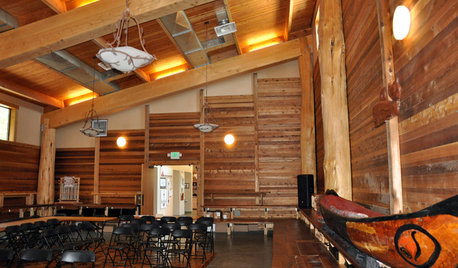
TRAVEL BY DESIGNTravel Guide: Seattle for Design Lovers
Pioneers of the past and high-tech titans of the present make for an eclectic mix of architecture, museums, hotels and eateries
Full Story
CITY GUIDESTravel Guide: The Hague for Design Lovers
You'll find plenty to marvel at in the Netherlands' political capital, from centuries-old facades to modern shops and outdoor art
Full Story
TRAVEL BY DESIGNTravel Guide: Austin, Texas, for Design Lovers
You'll find fantastic food along with incredible art and architecture in this capital city, deep in the heart of Texas
Full Story
CITY GUIDESTravel Guide: Portland, Oregon, for Design Lovers
Get a dose of Portland's one-of-a-kind quirkiness through its outdoor artwork, eclectic hotels and engaging architecture
Full Story
LIFEA Month-by-Month Guide to ‘Downton Abbey’ Withdrawal
Missing Lady Grantham’s zingers? Edith’s furrowed brow? Romance simmering downstairs? Here’s help to get you through until season 6
Full Story
HOUZZ TOURSHouzz Tour: Transparency Guides a Woodland Home
A midcentury gem's renovation brings in the light and the woods while respecting the original architecture
Full Story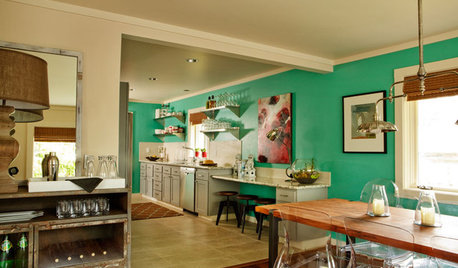
TURQUOISEColor Guide: How to Work With Turquoise
The cheeriest blue in the spectrum, turquoise stands strong on its own and plays well with others
Full Story
KITCHEN DESIGN9 Kitchen Color Ideas With Staying Power
Stick to these classic color combinations for a kitchen that will never go out of style
Full Story
DECORATING GUIDESSo Your Style Is: American Gothic
If Puritan with a touch of glam is pure style heaven to you, let the painting that started it all be your guiding light
Full Story
EDIBLE GARDENSSummer Crops: How to Grow Tomatoes
Plant tomato seedlings in spring for one of the best tastes of summer, fresh from your backyard
Full StorySponsored
Elmer J Fudd