

Re asparagus...the ends...soup?
10 years ago
Featured Answer
Sort by:Oldest
Comments (9)
 10 years ago
Related Discussions
Landscape Design Forum FAQ - Improved
Comments (7)While I think that the "FAQ" as outlined by swanoir was presented tongue in cheek ('the humus'), many of the subsequent comments and/or links to threads that could/should be included in a FAQ were presented in a more serious tone. And maybe they do make sense as a foundation to a real LD forum FAQ. But I've also sensed something else in these comments that may contribute to the apparent lack of communication between new posters seeking advice and those that regularly frequent this forum and offer it. And that is that the long checklist provided by Miss R must be (or should be) answered in detail before posting. Well, of course not! But it is definitely something worth reviewing and giving some thought to. This checklist, or something very similar, is what most designers utilize when first meeting with a prospective client. It gives them a feeling for what the client wants to do with the property, how they intend to use it, what they hope to get out of it and how much effort (time/$$) are they are intending to put into it. Hopefully, reviewing an outline or checklist such as this could help to refine and focus some of those blank slate questions and even educate those new posters totally unfamiliar with the process the degree of complexity, the number of variables and exactly what is involved in the formulation of a landscape design. Even DIY landscape texts intended for the homeowner with no previous design or landscaping experience offer similar checklists to get one started thinking about the process. Obviously, this is overkill for those questions that are more issue-specific, but I think very appropriate for those that are much broader and far less focused....See MorePlease critique my garden plan
Comments (13)Gamebird, You've had lots of helpful comments today, and I am sure more are yet to come. My answer on beds being oriented north-south or east-west is going to make me sound wishy-washy, but I think either one could work equally well. Most of my neighbors that have veggie gardens run their beds from north to south, but a fellow gardener who lives a couple of miles from me runs his east-west. I have some beds, about 65% of them, that run north-south, and the remaining 35% run east-west. Our veggie garden is on a serious slope, so the contouring of the garden beds was a very deliberate decision to slow down the runoff of water and also to minimize erosion. The classic recommendation in most parts of the country is that you should run your beds from north to south. I think the intent is that your rows get a more equal distribution of light that way. What is more important than the orientation of the beds, though, is the selection of where to plant your veggies. The general rule is to put taller crops in the northernmost rows of the garden so they won't shade your other crops. Here in Oklahoma, where the summers are very long and insanely hot, I deliberately use okra, corn, amaranth and other tall plantings (like pole beans and other trellised crops) to shade crops that benefit from a little shade, like sweet and hot peppers. I like your idea of improving the soil first, then building the beds, and lining the pathways....I was gently trying to lead you in that direction, without sounding like your bossy sister! LOL Torrential rainfall IS a huge problem here when it occurs. Just today we had 3" of rain in less than 4 hours, and you should see the erosion that has gone on today as the water rushes downhill to the creeks that will carry it to the Red River. (It is not at all one of our heaviest rainfalls....two years ago we had 9.25" in one day, and almost 8" of that fell in 4 hours.) So, check out how the water drains before you start doing too much, and the info will be very helpful in your planning. Even though you may not be putting in that water feature for a couple of years, plan it out now so you can take advantage of a naturally low-lying area or can plan to site your water feature so it helps absorb excess rainfall and runoff. We have several water features, some manmade and some natural, and they attract wildlife. Since you have a young child, though, it probably is wise to wait until she's a little older. One thing to remember as you plan your landscape is that the soil on even a small plot of land (and yours is not small by any means) can vary greatly. Even though we have mostly clay, we do have one band of very deep, sandy soil (which I love, love, love), so check your soil in various places to be sure you know what you have. When you do a soil test, the advice is the same. You dig up soil from several locations and mix it together prior to the soil test, so the results will give you an overall average for the whole area. Regarding Randy's comment about shrubs, I'll just say that his comments are right on. Most people plant shrubs too close to their homes and the shrubs eventually get too large, become a problem and have to be removed. You can avoid this through a very careful selection of dwarf shrubs AND by being sure to plant them further away from the house....say 4' to 5' at the closest, not 1' to 2' or 3'. Be sure you understand the shrub's MATURE height and plan accordingly. As Randy stated, I am a big advocate of firescaping....which is landscaping in a way that will help prevent your home from burning during a wildfire. Keeping plants that burn easily further away from the house is an important part of firescaping. We have always had wildfires in this part of the country, and we always will. Some years they are dreadfully bad, and other years they are not. It is wise to design your landscape in a way that will help preserve your home if the worst possible thing....a raging wildfire....occurs. I never worried about wildfire that much until the 2005-2006 wildfire season, which I think was the worst one in recent Oklahoma history. During that year, our very young and very small volunteer fire dept. had over 240 calls (most years prior to that we had 40 to 50 calls per year), many of which were large, raging wildfires. It changed the way I do a lot of things, and I am now very careful about planting anything close to the house if that plant could help a fire climb up onto the house. It's just one more thing to think about, but an important one. Finally, I know you are eager to do your landscaping, but go slow and make sure you understand just how hard it is for plants to get through our long, hot summers. When we say that, it is because we know from experience that summer's heat here can be VERY cruel and very hard on plants. In your part of the state, you also have to plan for the recurring sleet and ice storms that can cruelly destroy gorgeous trees in a matter of hours. (So, stay away from weeping trees, weak-wooded trees and delicate trees that can't hold a huge load of ice.) Understand, too, that Oklahoma's climate is one of wild swings and unpredictable changes. It can, literally, be 60 or 70 or 80 degrees, sunny and clear in the morning and then an Artic cold front can come out of Canada in a matter of hours, dropping the temperatures 30 degrees or more, and bringing cold rain, freezing rain, sleet, snow or a mix of them. In the summer, rain can be scarce and temperatures brutal. Plants have to be TOUGH to survive here, so decide in advance how much (or how little) pampering you're prepared to give your plants, and plan accordingly. It is so much fun reading your plans and imagining how it all will work out. I hope you'll keep us all posted on your progress. Dawn...See MoreWorms on Speed
Comments (15)"The liquified foods provide the perfect amount of moisture and it ain't water. It's liquid nutrition" I agree with that chuckiebtoo. I believe our job is simply to provide enough carbon to match the nitrogen. "I run them thru a juicer and save the pulp which is pretty much the same as puree." hummersteve tell me you either drink the juice or put it back into the pulp and do not toss the elixir of life down the drain as I have read in the past that some do. Chuckiebtoo I accept your results as valid. I have been feeding whole items so as to have an even amount of food in the bin since I visit it rarely and grace it with enough bounty to choke a horse. I endorse your method and will sometimes use it especially when I juice for myself and have pulp. Other times they are getting the whole pumpkin and the stem 3 times. Now if I can only stop the mice from eating through the nice netting on the top of my worm inn and hiding piles of uneaten pumpkin seeds in the winter boots. No mouse activity lately. "cesspool that is the poop palace" I disagree that the worm castings are negative. I think worms transform waste into castings and castings are nuggets lightly coated with calcium. These individual nuggets have space between the where things happen. A sheet of water film can be held. Things can happen in that film. The value of castings is this calcium coating that makes castings an aggregate(?) rather than a cesspool of muck. If not water harvesting then I think the nugget should be preserved and valued for the work it will do for us in the garden. Soil make up of particle sizes is important. I do not understand exactly how. "so that they could process their bin fully" jasdip, didn't you want to pop a few worms into the new bin to seed it? But maybe you did because you mention the breathing. The new bin is a great place to put the large particles sifted out during harvest. "I stopped feeding them so that they could process their bin fully, so I can harvest in a month or so." jasdip, they say a worm bin not fed and left alone for a long time will result in everything being fully processed and the top being flat. I can never be that patient but it would be cool to see. With no new food or bedding additions, each day should make the vermicompost more and more vermicastings. In a month your stuff should be gold just in time for spring planting if you are above the equator if using a map with north as up....See MoreProblem Area with Environmental Weeds
Comments (4)Generally speaking glyphosphate is only useful for killing monocotyledons, grasses in particular. It is not useful, via foliar spray, for woody weeds nor for many herbaceous braod leaf weeds, both dicotyledons. The mallows or Malva sp are a perfect example. Glyphosate concentrate is effective against woody weeds and broadleaf weeds if you apply it via the cut & paint method. For woods weeds the best herbicides are Garlon and Esteem/Brushoff or a combination of the two. Garlon will act quickly killing off all the foliage and the Esteem/Brushoff will kick in later and kill any re-growth. For broad leaf herbaceous weeds effective herbicides are Kamba, MCPA and Garlon. These do not generally effect grasses but test them first on any native grasses on your property. I have found out from experence that Garlon does indeed knock Microlaena stipoides quite severely. Garlon can be sprayed over Lomandra longifolia and Lomandra filiformis without ill-effect however Dianellas are sensitive to it. Do not over spray Lomandras with the other mentioned herbicides. If you have problems with weedy grasses among native herbaceous and woody plants then Fusilade is the herbicide of choice as it will kill the grass and leave your native plants alone. If parts of the weedy area are inaccessible on foot you may have to consider applying via a spray rig with which you will have greater reach. Once you reduce the weed biomass it may be then more practical to use more targeted methods like spraying herbicides with a knap sack, cut & paint or hand weeding. If you wish to use some of these other herbicides wou will no doubt need the NSW equivalent of our Agricultural Chemical Users Permit. Contact your state agricultural department for info. Even if you do not require a permit for any of them it would be advisable to do an approriate TAFE course so that you know how to use these chemicals correctly and are aware of their health and environmental dangers....See More- 10 years ago
 10 years ago
- 10 years ago
 10 years ago


Related Stories
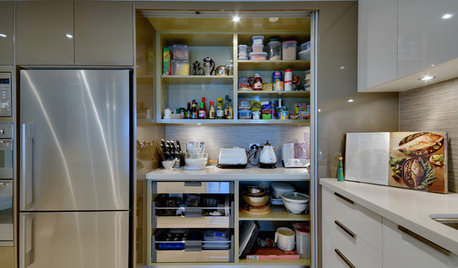
KITCHEN STORAGEMove Over, Soup Cans — the Kitchen Appliances Are Here
Design a pantry with room for mixers, coffeemakers and more, for less countertop clutter and handy access
Full Story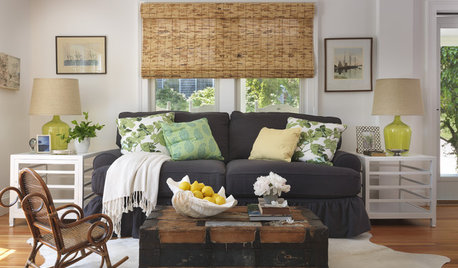
DECORATING GUIDESHow to Decorate When You're Starting Out or Starting Over
No need to feel overwhelmed. Our step-by-step decorating guide can help you put together a home look you'll love
Full Story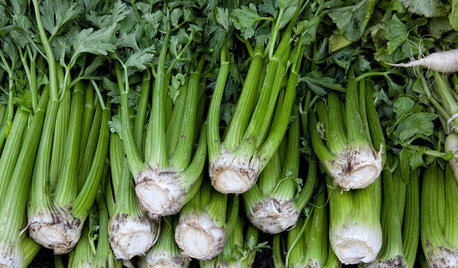
COOL-SEASON CROPSHow to Grow Celery
If you're up for a challenge this fall, try growing celery and celeriac in your garden.
Full Story0
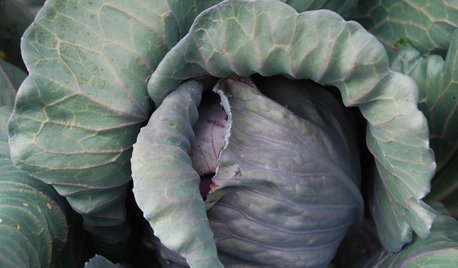
COOL-SEASON CROPSCool-Season Vegetables: How to Grow Cabbage
Give soups and stews an unbeatably fresh flavor with this ever-popular fall garden favorite
Full Story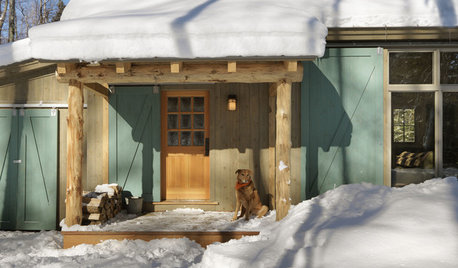
RUSTIC STYLE10 Cabin Rental Basics for City Slickers
Stay warm, dry and safe while you’re enjoying winter cabin life with this valuable advice
Full Story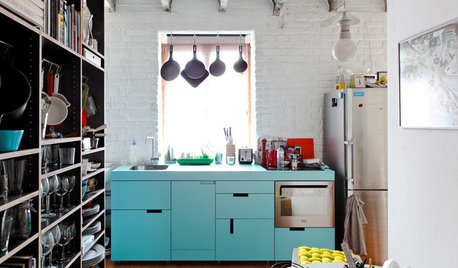
HEALTHY HOMEDetox Your Kitchen for the Healthiest Cooking
Maybe you buy organic or even grow your own. But if your kitchen is toxic, you're only halfway to healthy
Full Story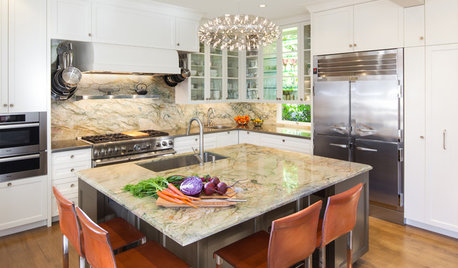
KITCHEN DESIGNKitchen of the Week: Elegant Updates for a Serious Cook
High-end appliances and finishes, and a more open layout, give a home chef in California everything she needs
Full Story
DIY PROJECTSMake a Designer-Look Pillow Sham for $15
Give a sofa or chair a high-end touch with a low-cost sham made to your exact taste
Full Story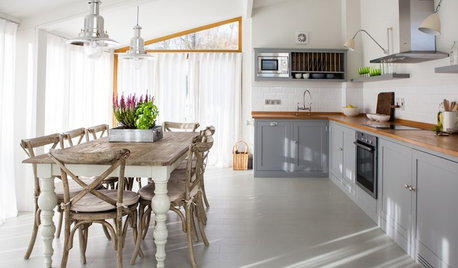
DECLUTTERINGFoolproof Ways to Declutter Your Kitchen
If you find yourself fumbling through cupboards to find what you’re looking for, it’s time to take action with these simple steps
Full Story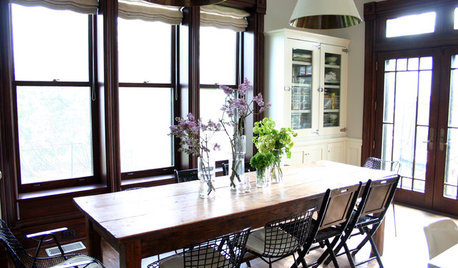
MOST POPULARFirst Things First: How to Prioritize Home Projects
What to do when you’re contemplating home improvements after a move and you don't know where to begin
Full Story
User