

hawk
10 years ago
Featured Answer
Sort by:Oldest
Comments (7)
Related Discussions
Hawk ID, Please
Comments (15)Hi Jane! It's been my pleasure (really!) since I enjoy testing my raptor ID skills when I am unable to get outside and do it for real (either due to schedule limitations or birds not cooperating). Raptor ID is something I've been working on for a year or two now; only recently did I become any good at it. Hawks used to look all the same to me. I claimed to love them but I knew so little about them. I had to learn to notice the fine details and become adept at pointing them out quickly. Sometimes a glimpse is all you get. I believe those two guides you purchased will serve you (or anyone) well. The general Eastern guide is a great visual tool but Crossley doesn't have the space on each page to really break down the field marks that make each species unique. His raptor guide will probably be better for that, but I had to purchase Hawks in Flight to REALLY get into the details of real-time ID. Perched birds are easy to master; soaring hawks requires a lot of practice. I have also used online articles (American Birding Association/ Jerry Liguori) to learn new things, especially concerning the amazing diversity of Red-tailed Hawks. I have also learned a lot from experienced birders. I still have a ton to learn so I lurk forums such as these. Gives me an excuse to read a little more about IDing raptors. I have another tip that has helped me TREMENDOUSLY when IDing raptors (birds in general). Always weed out the unlikely/impossible species first. Check: - Location/range (you'll not likely find a Swainson's Hawk in New England unless during spring/fall migration) - Season (Broad-winged Hawks are in s. America during the winter) - Behavior (Northern Goshawks are notoriously elusive forest hawks and are the least likely Accipiter at a bird feeder). Rule out what it ISN'T and you'll likely have a much narrower list of what it could be. After that it comes down to field marks, shape, flying style, etc. If you are lucky enough to hear the hawk's call, then you are well on your way. Cornell Lab of Ornithology's All About Birds has recordings of bird sounds and it's a great reference. I'm sure I left a million things out but that's mostly what I wanted to say. This post was edited by TMFF on Sun, Mar 10, 13 at 17:15...See MoreHawk ID, and also wondering if this hawk may be injured?????
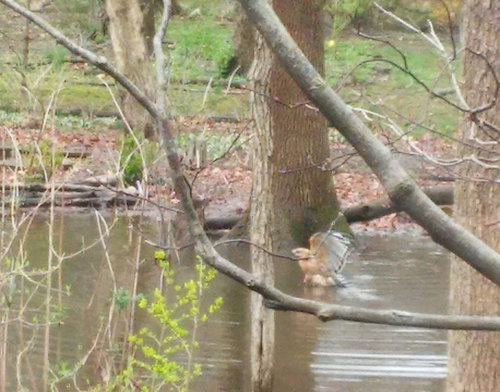
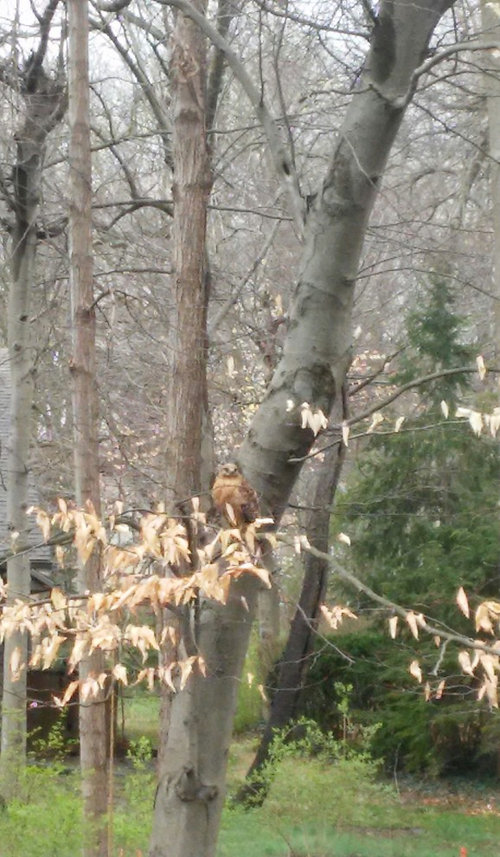
Comments (2)Thanks! So when do their tails get the reddish plumage? This one had brown striped tail feathers, I thought that the adults had red tails but I know very little about red tailed hawks so I thought I would ask, thanks! Oh, also, what's that whistling noise that it is making? There is a redtailed hawk couple that lives in my area, I used To see them Together all the time, now they seem to be hanging out solo mostly, I wondered if this one might be one of their "kids" from this year or year before, this one's plumage looks a lot darker than the male and female I usually see in the area....See MoreAny way to keep hawks from nesting in my yard?
Comments (80)I have a pocket of oak trees in my front yard that is home to many creatures. We had a hawk in our tree one year and that bird was such a messy, wasteful eater- dead birds and squirrels everywhere. I put up an eagle decoy and moved it around but it didn’t do much. The hawks moved to the neighbor across the street the next year. And then to the neighbor next door after that. IDK if it’s the same bird or maybe there’s more than one bird/family. They do flybys and hunt in my yard but they dont live in it anymore. I thoroughly enjoy watching this little microcosm of forest life...most times. The kids were yelling one day to come look at the window. A heron was in my little backyard pond and was eating my fish like it was a buffet....See More‘Incantation’ and ‘Diablo Hawk’ from RVR
Comments (18)@Sheila z8a Rogue Valley OR Thank you! Your DH sure is a magnificent thing! Mine is so magenta compared to yours, but the weather up here in my region of Oregon…. I love that deep, garnet, red velvet coloring of yours! One of my favorites along with purple. I’ll see if my DH produces another bloom. I usually disbud bands after the initial ID bloom, but this one looks pretty sturdy, and I suspect I won’t get a satisfactory ID until I see a bloom in different conditions. Carol...See More- 10 years ago

Related Stories

HOUZZ TOURSMy Houzz: Cheerful, Eclectic Modern Beach House
Lively patterns, vivid colors and a spot for band practice jazz up a spacious beachfront home
Full Story
MIDCENTURY HOMESHouzz Tour: Pools and Martinis Inspire a Palm Springs Remodel
Weighed down by black-heavy ’80s style, a California desert home gets a fun and lighthearted look just right for its midcentury roots
Full Story
GREEN BUILDINGStudents’ Award-Winning Home Leaves Small Footprint
A cost-effective, solar-powered New Zealand prefab home has good looks to match
Full Story
GARDENING GUIDESNorthern California Gardener's September Checklist
Welcome to the best season for planting just about everything, and for tackling major landscaping projects to boot
Full Story
GARDENING FOR BUTTERFLIESA Quick-Start Guide to Bird-Watching for Fun and Learning
Set out some seed and grab your field guide. Bird-watching is an easy, entertaining and educational activity for the whole family
Full Story
GARDENING GUIDESBackyard Birds: Create a Home for American Kestrels
These copper-colored birds of prey can be found throughout North and South America and often find habitats near human activity
Full Story
GARDENING FOR BIRDSBackyard Birds: Meet Some Clever and Curious Jays
Boisterous jays provide plenty of backyard bird-watching in winter. Here’s how to identify all the varieties and welcome them into your yard
Full Story
DECORATING GUIDESWhy Design Loves a Mirror
These versatile surfaces reflect and deceive in equal measures. Here are some of the things they can do for your space
Full Story
GARDENING GUIDESSweet Serendipity: Opening to Happy Garden Discoveries
Unplanned nature scenes can be unbelievably beautiful; you just need to know how to look
Full Story
GARDENING AND LANDSCAPINGHow to Attract Birds to Your Garden
From habitats to feeders, simple tips to help your yard take flight
Full StorySponsored
More Discussions
Ingrida (São Paulo/Brazil)