

Quick & easy remedies for static-y hair?
10 years ago
Featured Answer
Sort by:Oldest
Comments (17)
 10 years ago
Related Discussions
Remedy for Fungus Gnats in Palm's Soil
Comments (16)If the post was current, I'd say: #1 suggestion would be to stop using any household cleaner (dishsoap) as a way to clean leaves or in an insecticidal capacity. See something I wrote about it below. BTW, disregard any argument that goes something like "I've been doing it for years and have noticed no adverse effects ......". The fact is, it destroys cuticular wax, and if it gets to the roots, root lipid membranes. So, it prevents or limits roots from taking up water/nutrients, and destroys the mechanism by which plants limit water loss from their foliage and protect against insects and entry of pathogens. If you need a product to clean leaves or to use as an insecticide, insecticidal soaps are made from long chain fatty acids, formulated to be safe for most plants, though there are a few plants sensitive even to insecticidal soaps. A mix of 70% isopropyl/rubbing alcohol and water at 1:1 or 2:1 (2 water: 1 alcohol) if all you need for mites. Spritz the plant thoroughly at 4 day intervals, making sure you coat the entire surface of the plant, including inferior leaf surfaces and and leaf axils where they tend ti hide in the dark. A change in watering habits or a change in your grow medium are usually all you need to be rid of gnats. Unless your pot is 5" deep or less, avoid the advice to water when the top inch or two of the soil is dry. It's a recipe for over-watering and the very idea is enough to make a gnat's eyes spin in anticipation of the orgiastic frenzy induced by media the surface of which provides a never ending supply of wet/rotting organic matter. This should be helpful, as would be changing to a highly aerated medium, the surface of which dries quickly, and using a "tell" to "tell" you when it's time to water. Detergents Dishsoap/ detergent’s effect on plants varies with the mode of exposure. Dawn, Palmolive, Joy, ...... dishsoap, as an example, are each and all a mishmash of chemicals, at least eleven of which are phytotoxic. If the top of the plant is sprayed thoroughly with even mild detergent solutions such that all surfaces including leaves are covered, the detergent can easily dissolve the protective coating of cuticular wax on the leaves of the plant, causing abnormally high rates of water loss and possible necrosis of all or part of the leaf. Cuticular waxes prevent leaves from drying out, and help stop pathogens from attacking the leaf. Strong solutions will even dissolve cell membranes, causing death of the cells. If a detergent solution is used as a soil drench or makes its way into the soil as a consequence of over-spray or run-off, the effect on roots is immediate. Because one of the main function of roots is to absorb water and nutrients dissolved in water, they lack the waxy protective coating that leaves employ. Detergent solution in contact with root cells can quickly dissolve the lipid membrane surrounding cells, killing the cells and inhibiting water/ nutrient uptake. Hair cells growing as appendages off larger roots do the lion’s share of assimilating water and nutrients, and these very delicate cells would be the first casualty of any detergent in the root zone. There are widely available insecticidal soaps, designed to be used topically and made mixing potassium with only long chain fatty acids, carefully selected and specifically formulated to be safe for mammals & birds, death on most insects they contact, and most important, safe for plants. If you need something "soapy", it would be much better if you selected a product intended for use on plants than one intended for other purposes. Using a 'tell' Over-watering saps vitality and is one of the most common plant assassins, so learning to avoid it is worth the small effort. Plants make and store their own energy source – photosynthate - (sugar/glucose). Functioning roots need energy to drive their metabolic processes, and in order to get it, they use oxygen to burn (oxidize) their food. From this, we can see that terrestrial plants need plenty of air (oxygen) in the soil to drive root function. Many off-the-shelf soils hold too much water and not enough air to support the kind of root health most growers would like to see; and, a healthy root system is a prerequisite to a healthy plant. Watering in small sips leads to avoid over-watering leads to a residual build-up of dissolved solids (salts) in the soil from tapwater and fertilizer solutions, which limits a plant's ability to absorb water – so watering in sips simply moves us to the other horn of a dilemma. It creates another problem that requires resolution. Better, would be to simply adopt a soil that drains well enough to allow watering to beyond the saturation point, so we're flushing the soil of accumulating dissolved solids whenever we water; this, w/o the plant being forced to pay a tax in the form of reduced vitality, due to prolong periods of soil saturation. Sometimes, though, that's not a course we can immediately steer, which makes controlling how often we water a very important factor. In many cases, we can judge whether or not a planting needs watering by hefting the pot. This is especially true if the pot is made from light material, like plastic, but doesn't work (as) well when the pot is made from heavier material, like clay, or when the size/weight of the pot precludes grabbing it with one hand to judge its weight and gauge the need for water. Fingers stuck an inch or two into the soil work ok for shallow pots, but not for deep pots. Deep pots might have 3 or more inches of soil that feels totally dry, while the lower several inches of the soil is 100% saturated. Obviously, the lack of oxygen in the root zone situation can wreak havoc with root health and cause the loss of a very notable measure of your plant's potential. Inexpensive watering meters don't even measure moisture levels, they measure electrical conductivity. Clean the tip and insert it into a cup of distilled water and witness the fact it reads 'DRY'. One of the most reliable methods of checking a planting's need for water is using a 'tell'. You can use a bamboo skewer in a pinch, but a wooden dowel rod of about 5/16” (75-85mm) would work better. They usually come 48” (120cm) long and can usually be cut in half and serve as a pair. Sharpen all 4 ends in a pencil sharpener and slightly blunt the tip so it's about the diameter of the head on a straight pin. Push the wooden tell deep into the soil. Don't worry, it won't harm the root system. If the plant is quite root-bound, you might need to try several places until you find one where you can push it all the way to the pot's bottom. Leave it a few seconds, then withdraw it and inspect the tip for moisture. For most plantings, withhold water until the tell comes out dry or nearly so. If you see signs of wilting, adjust the interval between waterings so drought stress isn't a recurring issue. What I use for grow media: Al...See MoreHelpful Hints, Home Remedies
Comments (22)I love the idea of using the hair conditioner for shaving legs. I need to try that one. My husband has used dryer sheets in his pockets when he is out camping and it does work to keep the mosquitoes away. Baby oil is great to remove the oil sludge from your skin that you sometimes get down at the beach (and most of us are avoiding many beaches along the Gulf for that very reason!) We found this out last summer when we were down by Corpus Christi and one of my boys had it on his legs. Brunettes - Use soy sauce as a rinse in your hair to enrich the natural color. Comb it through your hair and let it sit for a few minutes, then rinse. I need to add this list of helpful hints link to my favorites so I can pop back and refer to it later. Thanks everyone for posting these great ideas!...See Morecracked heels-home remedy
Comments (65)I sliced my foot open a while back and I found using just plain old vegetable oil and then using a gallon zip bag. You have to first understand that your feet have NO oiling mechanism like the rest of your body.......they simply depend on sweat to moisturize. The worst thing you can do is go barefoot and take super hot showers!! I learned quite a bit about feet as we have had so many family members with diabetes and foot issues that coincide. Now I soak my feet in lemon juice and water for half an hour-warm water, then apply a coat of Flexitol Foot Balm, and I use the zip bags because you can zip it but it isn't strangling the leg and blood supply but it's enough to create plenty of moisture. This method has worked very well for me....See MoreHELP!! problems found during walkthroughs / remedy
Comments (28)sparklegirl - the wet marks on the ceilings were not there during the viewing of the home or the HI and they have been painted over? Sounds to me that the seller is attempting to cover it up, especially since it's been painted. Was this in the disclosure? You definitely need a lawyer pronto. DO NOT CLOSE on this house until this situation is rectified and there is a significant money held in escrow. Do not rely upon your realtor to advise you on this. Listen to logic. Get the lawyer to write a letter asking for a disclosure about the water on the ceilings. I also agree that the tree is a non-issue. Unless it is dangerous or could fall onto the house, I wouldn't bother with it. You could ask that money be set aside for its removal if you feel that it could pose a danger to the house. Since it was winter when you viewed the home, it is impossible to tell if the tree was dead at the time, so I think you should have the right to at least mention it. But it's a pick your battle kind of thing.... the water marks are most important. Logic - get yer mind outta the gutter! ;) terrig - thanks for the offer. We just found out that we're going to the Twin Cities now. *sigh* The joys of the federal govt!! lol...See More 10 years agolast modified: 10 years ago
- 10 years ago
 10 years ago
 10 years ago
 10 years ago
 10 years ago
 10 years ago
- 10 years ago
 10 years ago
 10 years ago
 10 years ago
- 10 years ago
- 10 years ago
- 10 years ago
 10 years ago
Related Stories
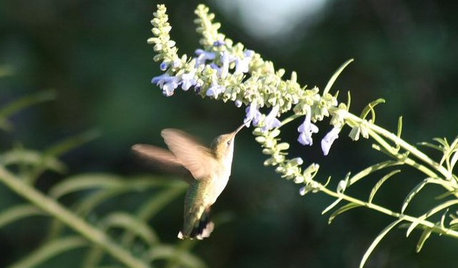
GARDENING FOR BUTTERFLIESA Quick-Start Guide to Bird-Watching for Fun and Learning
Set out some seed and grab your field guide. Bird-watching is an easy, entertaining and educational activity for the whole family
Full Story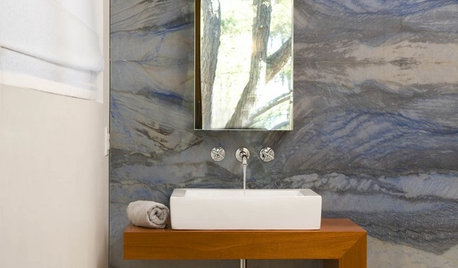
BATHROOM DESIGNDesign an Easy-Clean Bathroom
These ingenious strategies and sleek designs for the sink, tub, shower and toilet help your bathroom practically clean itself
Full Story
REMODELING GUIDES15 Ways to Design an Easy-Clean Home
Spend more time doing what you love with these pointers for minimizing cleaning needs throughout the entire house
Full Story
WINDOW TREATMENTSEasy Green: 9 Low-Cost Ways to Insulate Windows and Doors
Block drafts to boost both warmth and energy savings with these inexpensive but effective insulating strategies
Full Story
BEDROOMSRest Easy: Myth Busting for Bedding and Mattresses
We put to bed some of the misconceptions that may be keeping you from a good night's sleep
Full Story
PETSDealing With Pet Messes: An Animal Lover's Story
Cat and dog hair, tracked-in mud, scratched floors ... see how one pet guardian learned to cope and to focus on the love
Full Story
WORKING WITH PROSThe 4 Potentially Most Expensive Words in Remodeling
‘While you’re at it’ can result in change orders that quickly add up
Full Story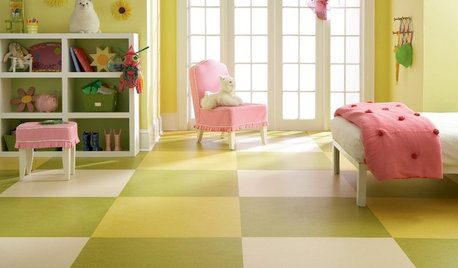
REMODELING GUIDESThe Case for Linoleum and Vinyl Floors
Have pets, kids and a tight budget? Easy-care resilient floors may be the choice for you
Full Story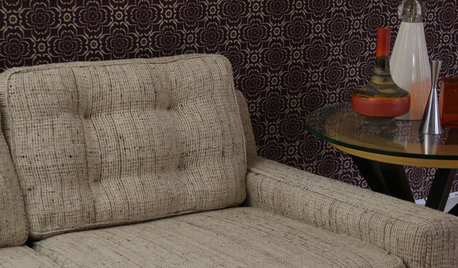
UPHOLSTERYFurniture Clinic: End the Curse of Slouchy Couch Cushions
Prolong the life of your couch with this inexpensive fix that’s so easy, even a beginning sewer can do it
Full Story
GREEN BUILDINGWhy You Might Want to Build a House of Straw
Straw bales are cheap, easy to find and DIY-friendly. Get the basics on building with this renewable, ecofriendly material
Full Story
Elmer J Fudd