

Favorite Cooking Technique
10 years ago
last modified: 10 years ago
Featured Answer
Sort by:Oldest
Comments (22)
 10 years ago
 10 years ago
Related Discussions
Favorite Way to Cook a Tri-Tip?
Comments (9)Wow; reading references to a tri-tip being tough is shocking to me! Undoubted it's our favorite cut of meat, overall, and the most tender! Hard to believe we're talking about the same piece of meat. I'm in California and have been making it for 30 years, probably. For the last 8 years, we have been buying it from Costco and still think it's an outstanding cut of meat. I just season it right out of the refrigerator (I don't warm it up on counter) and bbq it over medium heat in gas bbq to med. rare - maybe 40 min. or so, depending on thickness. Let it rest a few minutes and then slice it with an electric knife very thinly as we like it. But, we're also very careful to slice it ACROSS the grain and you have to look carefully as the grain is always slightly askew compared to the shape of the meat. Starting at the narrow tip to our right, we usually have to angle the knife further to the right (like '2:00 o'clock') and continue cutting it like that. IE, we never cut it straight across the tip but clearly at an angle and continue in the same manner all the way to the wide end. We find it to be fabulous and extremely tasty. I get RAVES each and every time I make it for company. (I use straight McCormick/Schilling 'Season All' as my only seasoning.)...See Morefavorite turkey soup technique/recipe?
Comments (23)for years i worked as a banquet waitress, and many holidays i did private waitressing at homes on Thanksgiving. my last 4 years i worked for the same family and every year they made the same thing, a presentation turkey, a turkey they cut up for warming to serve at the table, the whole turkey for extras, and all the fixings. every year, everything was tossed into the trash. the first year i asked the domestic why she didn't take home at least the whole turkey for her family. she said she was told she would be charged with stealing. the last year i worked for that family, i had made a 20lb+ turkey and all the fixings, somne dishes were either prepped or cooked 2 days ahead, the turkey was cooked the day before. leftovers were to be frozen for soups, cassaroles, salads, enchiladas, sandwiches, pot pies or just for omelettes for the coming months. during that last party i found out that domestic, with 4 kids and no father in sight since the last born, had 3 kids sick and had exhasted all her holiday funds for the season. i talked her into coming to my apartment after the party ended and cut my turkey in half, and packed up some of my fixings for her to take home so she could have her Thanksgiving dinner with her kids the next day. i even gave her some Xmas gifts i got for my own kids so at least she had a start on the Santa season. that year my Saint Bernard went with less dog food and had to do with more prime rib left overs from banquets for a while, i don't think he minded much tho. it's great to see that many don't toss the turkey and try to make the most of it. for my turkey stock, i pull off what meat i possibly can and roast the bones, then slow cook them and pick the bones again then freeze. i never gave the bones to BoBo, was just too afraid of another Dr bill of my own....See MoreFavorite cooking show?
Comments (43)I think there's a big difference between a "cooking" show and a food entertainment show. The problem is, the networks don't seem to think we need both of them, and the entertainment shows are edging out everything else. I love the names Sandra Lee's food creations have been called, including "edible hate crime." Nigella Lawson is really magnetic, and I love her "Feasts" cookbook. I also agree about Jamie Oliver's passion for food; I loved that series where he toured around Italy. I used to love ATK but Chris Kimball just started to annoy me too much. The formula is always, look what an apocalyptic disaster every apple pie/beef stroganoff/ham sandwich you've ever eaten is! Dry! Soggy! Heavy! Tasteless! Overcooked! Raw! Radioactive! Asbestos-laden! Yeah, if every classic were always so wretched before Cooks Illustrated came along, why would we want to learn how to make them? I also agree that the recipes are generally too complicated for what you get, but I have not had the same fantastic results. Just not worth it to me....See MoreFavorite cook for one meals/food shopping tips?
Comments (13)I agree its not only hard cooking for one its hard to eat healthy and not waste money and food especially on fresh fruits and veggies. I think it takes some thought and (my pitfall) a lot of planning since often when you buy something its more than you can eat and doesn't always freeze well by itself. So if you buy a big stalk of broccoli, separate some for eating and make a casserole for freezing, or certainly try to figure which is cheaper, frozen or fresh?. A bag of applies for fresh fruit may be a better deal than single applies but can't eat the whole bag before mushy? Make pie for freezing. Eggs on sale? Again, eat some fresh then make something freezable (is quiche freezable?) A couple of thoughts, Rachael Ray always mentions when using frozen spinach what a good deal it is since you get so much packed in the box for the price. Its good for you so you could google casseroles with spinach (I had a friend in college with no money, he ate one meal a day, spaghetti and spinach). Also lentils, and beans are high in protein and all sorts of good for you things. Back in the day people only ate meat a couple of times a week and ate things like lentils flavored with a chunk of salt pork or soup bone. Dr. Oz on Oprah was just talking about this very thing, cut back on meat and eat more lentils and beans (actually I think his wife is a vegetarian) You can search these forums, I'd search the cooking forum and even ask this question there for favorite recipes (actually I think there was a recent thread on depression food). You can check your library for older cookbooks, the kind that don't use a bunch of expensive ingredients. I imagine there are books on eating on a budget too. You might also keep your eyes out for someone in a similar situation - perhaps you can buy some things in bulk and split them. Last, you might look at the rest of your budget, how much do you spend on cleaning supplies when baking soda and vinegar would work? Do you have an Aldi's near you?...See More 10 years ago
 10 years agolast modified: 10 years ago
- 10 years ago
- 10 years ago
 10 years ago
 10 years ago
- 10 years ago
 10 years ago
 10 years ago
 PRO10 years ago
 10 years ago
- 10 years ago
- 10 years ago
 10 years ago
- 10 years ago
 10 years ago
- 10 years ago
- 10 years ago
- 10 years ago

Related Stories
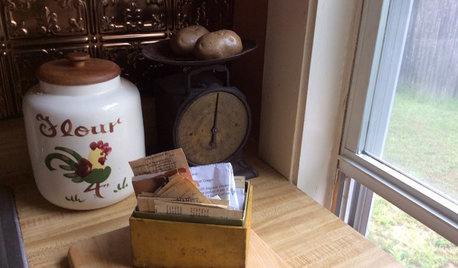
KITCHEN DESIGN5 Home Cooks Share Their Favorite Family Recipes
Peek inside the kitchens of these Houzz users and learn how to cook their time-tested, passed-down dishes
Full Story
SELLING YOUR HOUSEHome Staging to Sell: The Latest Techniques That Really Work
Get up to speed on the best ways to appeal to potential buyers through accessories, furniture, colors and more
Full Story
MOST POPULAR6 Kitchen Flooring Materials to Boost Your Cooking Comfort
Give your joints a break while you're standing at the stove, with these resilient and beautiful materials for kitchen floors
Full Story
HOME TECHCook Smarter With New Wi-Fi Kitchen Gadgets
Whip up meals with high-tech help, thanks to a phone-connected oven and teakettle, plus a web-surfing cutting board
Full Story
KITCHEN APPLIANCESLove to Cook? You Need a Fan. Find the Right Kind for You
Don't send budget dollars up in smoke when you need new kitchen ventilation. Here are 9 top types to consider
Full Story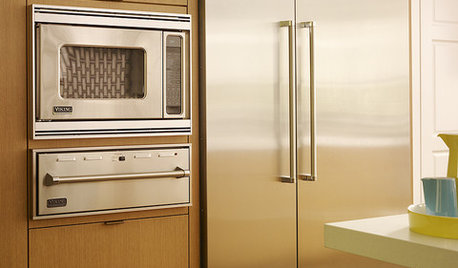
KITCHEN DESIGNA Cook’s 6 Tips for Buying Kitchen Appliances
An avid home chef answers tricky questions about choosing the right oven, stovetop, vent hood and more
Full Story
DECORATING STYLES11 Beautiful Ways to Style a Bookcase
Discover tips, tricks and techniques for showcasing your favorite reads and treasures
Full Story
Guest Picks: Cookie and Kate's Cooking Essentials
Cooking blogger Kate shares her top 20 durable and non-toxic tools for the kitchen
Full Story
SHOP HOUZZShop Houzz: Gifts for the Gourmet Cook
Innovative gadgets and classic cooking tools for all the chefs in your life
Full Story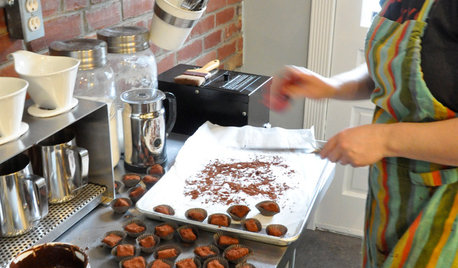
KITCHEN DESIGNLove to Cook? We Want to See Your Kitchen
Houzz Call: Show us a photo of your great home kitchen and tell us how you’ve made it work for you
Full StorySponsored


cookncarpenter