




WINTER BIRD WATCHING * MY PASSION
racetowin
8 years ago
Featured Answer
Sort by:Oldest
Comments (208)

User
8 years agoAndrea Ontario, Canada
8 years agolast modified: 8 years agoRelated Discussions
Bird Watching
Comments (62)Look at those wide open mouths! Great shot Brenda! I needed a little R&R this evening after a crazy week at work and trying to get caught up with the grass after two weeks of rain and trying to get ready for installers next week, so I decided to spend some time this evening with the birds and the camera. And the bird gods smiled on me as I saw my first mockingbird! A common bird for many but I had never seen one so now I can add it to my yard-list. I was sitting in the garage mounting the camera on the tripod when he landed on the driveway and stood real still for his portrait. Shortly after that an indigo bunting appeared. This is the closest I have been able to get to one, they usually stay in the tops of the trees. They have a cheerful song and sing all through the day and evening so a wonderful bird to have around. This one is either still molting into his bright blue attire or is a first year male and still developing his mating colors. And an interesting shot of his tongue!...See MoreWinter Storm Watch/Ice Storm, Gloom and Doom
Comments (11)Michelle, It is 3:35 p.m. and I am watching The Weather Channel and it sounds like Arkansas is really getting it already and conditions are supposed to worsen, so I guess the Fort Smith forecasters may "ignore" ya'll even more if you're not having the ice too. Yes, we can hope we're wrong, but "in my bones" I feel like it is going to be a bad one. I can tell by the number of birds coming to feed, and we have huge numbers today. I just refilled the feeders and put out deer corn an hour ago, and the birds are having a big old pre-storm feeding frenzy right now. Randy and I both use the Weather Underground a lot and I love their forecasts. If you've never used it, you can access it via www.wunderground.com. Randy, I agree about the internet accuracy, but I have to say that our local TV forecast (Channel 12, KXII, the local CBS affiliate) has improved a lot since Steve LaNore became their chief meterologist. Still, I take it with a grain of salt and merge together their forecast, various online sources, the NWS and my own "intuition" to arrive at my own idea about what I think "will" or "might" happen. I bet the Eskies had fun. If it snows, and they get to go out and play in it, I hope you'll take a photo of them to share with us. Ada, Uh-oh. That's not good news. Y'all be careful. I think the perennials will be OK as long as their roots weren't bone dry. If they were bone-dry, you might have some root death. After all my bragging about what a fine job our local electric co-op does keeping the power up, I saw we're now forecast to get about 1/2 inch of ice here. Well, if that happens, the trees won't even have to bring down the poles and power lines, because the ice on the power lines will bring everything down all by itself. Oh, I dread the power being out. Our house is all-electric, so if we lose power, we're gonna be cold. Moni, I'm glad you're hubby is going to be able to make it home safely before the icing gets worse and the roads are even more dangerous. We went out and did all our errands early. Now we're just waiting for the fire pagers to go off, because as soon as the temps hit 32, the accidents start popping up on the Interstate like dandelions pop up in our pastures in spring. I don't really understand the sudden ice storm trend the last 5 or 6 years. Our first few years here, we had some gorgeous snowstorms and that was so much fun for someone like me who grew up in snow-deprived Fort Worth. These last few years, though, it is all ice and no snow. I'd rather have snow. Well, if I had a choice, I'd rather have 6" of rain and nothing frozen, but that's not gonna happen! Dawn...See MoreBird Watching
Comments (4)I live in snowy Saskatchewan and my feeders this year have been very busy. I have about 40 common redpolls and one or two hoary redpolls (I believe). I made some home-made suet and the chickadees love it. I have some bought suet right beside it but the chickadees and the downy woodpecker that comes to visit like the home-make stuff. When I didn't have the home-make suet, the chickadees did eat the bought suet. However, the redpolls will eat both. I also had some red-breasted nuthatches visiting but I haven't seen them for a week now. And my real surprise is a male and female house finch that come everyday. I believe they usually go south for the winter but this pair has decided to stay the winter. They love my shelled BOSS. The chickadees and woodpecker also like the shelled peanuts I provide. It's been the best winter for me in regard to lots of birds. The redpolls empty my feeder in less than 2 days and it holds about 6 cups of shelled seeds, so I'm kept busy filling it every second day....See MoreOT: crazy bird x post with bird watching forum
Comments (4)I've used a product called flash tape to discourage a cardinal from attacking my window. What I used was about an inch wide, red on one side and silver on the other. I thumbtacked it in a big X across the window, twisting gently so it's in a spiral. I've used this to protect seedlings from birds as well. I got it at the hardware. Cheap, easy -- it will look goofy on your window but shouldn't take many days to discourage him. Arlene...See MorePat Z5or6 SEMich
8 years agoAndrea Ontario, Canada
8 years agoPat Z5or6 SEMich
8 years agoAndrea Ontario, Canada
8 years agolast modified: 8 years agoUser
8 years agoPat Z5or6 SEMich
8 years agoPat Z5or6 SEMich
8 years agoUser
8 years agoUser
8 years agoAndrea Ontario, Canada
8 years agolast modified: 8 years agoUser
8 years agoAndrea Ontario, Canada
8 years agoPat Z5or6 SEMich
8 years agoAndrea Ontario, Canada
8 years agolast modified: 8 years agoPat Z5or6 SEMich
8 years agoRoyals fan-MO6a
8 years agoUser
8 years agoAndrea Ontario, Canada
8 years agolast modified: 8 years agoAndrea Ontario, Canada
8 years agoUser
8 years agolast modified: 8 years agoUser
8 years agoAndrea Ontario, Canada
8 years agoAndrea Ontario, Canada
8 years agolast modified: 8 years agoUser
8 years agolast modified: 8 years agoPat Z5or6 SEMich
8 years agoAndrea Ontario, Canada
8 years agolast modified: 8 years agoUser
8 years agoAndrea Ontario, Canada
8 years agolast modified: 8 years agoUser
8 years agolast modified: 8 years agoUser
8 years agolast modified: 8 years agoAndrea Ontario, Canada
8 years agolast modified: 8 years agoPat Z5or6 SEMich
7 years agoRoyals fan-MO6a
7 years agoAndrea Ontario, Canada
7 years agolast modified: 7 years agoAndrea Ontario, Canada
7 years agoAndrea Ontario, Canada
7 years agolast modified: 7 years agoPat Z5or6 SEMich
7 years agoAndrea Ontario, Canada
7 years agolast modified: 7 years agocatherinet
7 years agolast modified: 7 years agoAndrea Ontario, Canada
7 years agocatherinet
7 years agoAndrea Ontario, Canada
7 years agoAndrea Ontario, Canada
7 years agolast modified: 7 years agocatherinet
7 years agoUser
7 years agolast modified: 7 years agoAndrea Ontario, Canada
7 years agoAndrea Ontario, Canada
7 years agolast modified: 7 years agoRoyals fan-MO6a
7 years ago










Related Stories
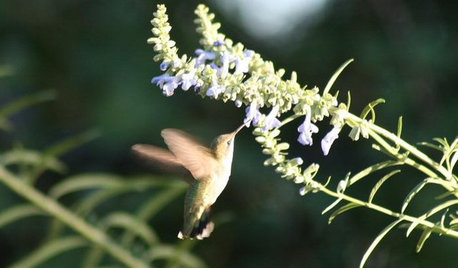
GARDENING FOR BUTTERFLIESA Quick-Start Guide to Bird-Watching for Fun and Learning
Set out some seed and grab your field guide. Bird-watching is an easy, entertaining and educational activity for the whole family
Full Story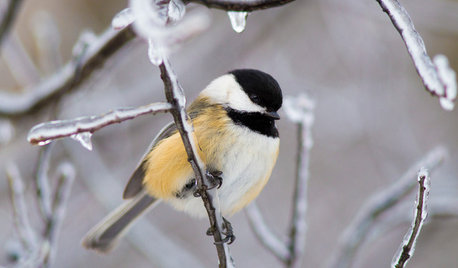
GARDENING FOR BIRDSBackyard Birds: Marvel at Chickadees This Winter
These North American natives flock to bird feeders and entertain with their complex birdcalls
Full Story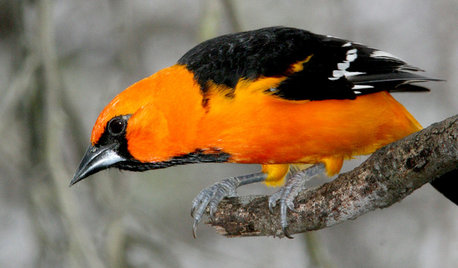
GARDENING GUIDESBackyard Birds: Orioles Return After Spending Winter in the Tropics
These colorful songbirds prefer woodlands and forest edges, but they’ll visit yards with fruit-producing trees and shrubs
Full Story
GARDENING FOR BIRDSBackyard Birds: Meet Some Clever and Curious Jays
Boisterous jays provide plenty of backyard bird-watching in winter. Here’s how to identify all the varieties and welcome them into your yard
Full Story
GARDENING GUIDESBackyard Birds: Northern Cardinals in the Snow, and Other Red Birds
Brilliant crimson feathers make these friends stand out in a crowd
Full Story
HOUZZ TOURSMy Houzz: Dream Home a Labor of Love and Passion
An interior designer who’s also a boutique owner renovates a lavish home for her family in Florida
Full Story
GARDENING FOR BIRDSWild Birds Transform a Woman’s Garden and Life
How Sharon Sorenson created a wildlife haven and became the Bird Lady of Southern Indiana
Full Story
GARDENING GUIDESBackyard Birds: Invite Entertaining Hummingbirds Into Your Garden
Hummingbirds — unique to the Americas — zip through open landscapes seasonally or year-round. Here’s how to attract them
Full Story
BUDGET DECORATINGPop Culture Watch: Get a Good Rap With Thrift Store Scores
Eight rooms that rock secondhand finds, in an ideabook inspired by rappers taking YouTube by storm
Full Story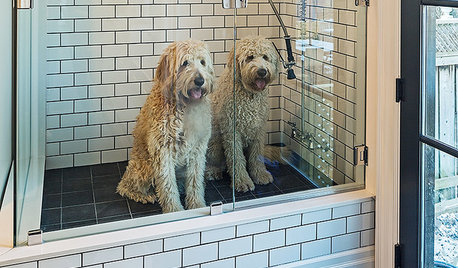
THE HARDWORKING HOME8 Laundry Room Ideas to Watch For This Year
The Hardworking Home: A look at the most popular laundry photos in 2014 hints that dog beds, drying racks and stackable units will be key
Full Story

User