

Are Oak trees allelopathic?
11 years ago

Featured Answer
Sort by:Oldest
Comments (11)
 11 years ago
Related Discussions
Maple versus Walnut allelopathic nature
Comments (1)Never mind. Found a good source. (We need to kill the walnut stump.)...See MoreAllelopathic American Elm
Comments (10)Bon, I just cannot imagine the elm roots are alleopathic enough to cause your plants harm. I use elm leaves in my compost all the time, and have elm, pecan, hackberry and oak trees growing just outside my garden's north fence. They are so close that I can just about touch the tree limbs if I am standing inside the garden's north fence...except the fence is taller than me so I can't reach them because of the fence. I have all manner of tree roots underground and they continually move into the garden. Where they are in the top few inches of soil, I rototill and dig out what I can in the winter, but they're back again by the next winter. We have 14.4 acres but almost all of it is heavily forested, so there is nowhere I can plant far enough from trees that tree roots won't come into my garden. Might the elm tree roots outcompete your plants for water and nutrients? Sure. But will they have a serious and adverse effect on their growth? I don't really think so. If elms and hackberries were highly alleopathic, nothing would grow underneath them in the woods....and every inch of ground beneath them in the woods has smaller trees like black cherry or redbud, and all kinds of groundcover plants. By contrast, wherever we have black walnuts in the woods, there is not much of anything growing under their canopy as far out as their drip line. From observing them in the woodland together, you can see how black walnut's alleopathy is so much stronger. For the compost pile, just put down a couple of layers of very heavy black plastic---4 mm or 6 mm would be ideal, and put your compost on top of it. That largely will keep root intrusion from being a problem. You can get a thick row of black plastic someplace like Lowe's or Home Depot. Cardboard will decompose in a few months, so it wouldn't keep out the intrusive tree roots that keep invading your compost pile. It takes a very long time to build healthy soil in which tomato plants will thrive. This is my 14th year with this garden and my soil isn't even close to where I want it to be. Clearly, it is a lot better that it was 14 years ago, but I didn't even see much improvement in plant performance until I'd already been improving the soil heavily every year for 4 or 5 years. You just have to work at it on a continual basis. Because heat eats compost, no matter how much compost you add one year, it will be almost gone before the next growing season. I add all the compost I can in the off season when there's no plants in the bed, then I mulch, mulch, mulch heavily. As the mulch breaks down, it further enriches the soil. I add more mulch to some bed in my garden every week. It is a process that never ends. Good soil isn't something you just whip up out of thin air by adding some organic matter to your natural dirt. It takes years of constant improvement for it to develop and evolve. It is easy for us to blame the weather, the lack of rain, the heat, etc., when plants don't perform the way we want, but I think much of the time, the truth is that our soil just is not yet where it needs to be. The amount of improvement needed will vary depending on what kind of soil you start with, but the need for constant improvement, especially in terms of adding organic matter, never ceases. Dawn...See MoreCupressus Lawsonii and allelopathic toxicity?
Comments (7)i dont know about the tolerance .. but two things pop into my head... first.. nothing stops growing at some magic height .. most size estimates in conifers are at 10 years... presume double in 10 ... and second.. lawsons are extremely problematic for a whole host of reasons beyond the nut issue ... like disease and root rots ... which leads to a 3d issue.. planting a monoculture.. and something happening and you losing them all in one fell swoop ... and that usually happens teh day after you say to yourself.. boy they are looking nice ... lol ... the whole conversation needs to start.. by knowing where you are.. and how the Ls might do there... regardless of the nut tree issue ... ken...See MoreOak Tree Fungus: Is my oak tree in danger of falling?
Comments (31)This is interesting topic, as I have lived on a standard size home lot for 26 years, ... but with approximately 30 trees at time of purchase and a small grove of trees just off the back corner of the home. Many of the trees are northern red oaks and with heights between 40 to 60 feet. A few and our tallest is 80 feet (yes, think seven story building). The message here is "stewardship" of any home. For younger people out there, being a home owner in such a case means expect to spend a significant amount of many out of pocket over the years in dead wooding costs, removal, etc. It's the flip side of the beauty. 12 of the trees I have had to remove over the 26 years, and just recently I believe storm micro burst came down and twisted/ripped the 80 foot tree into pieces.... incredibly lucky didn't land on the two houses twenty yards away. Within a week of getting quotes for removal, evaluator educated me on the Ganoderma he spotted all around the base of another 65 foot red oak. That's right two major 80 to 100 year old trees to be removed in a weeks time to a total cost of 8500, the cost is reasonable given the height, risk to ropers, and cranes, etc needed. Your first thoughts are how to save such trees or make them last, but this is a residential neighborhood with children playing, standard lots with homes in close proximity, and the reality that such trees are not "young". They are extremely mature, beautiful, ...but aged. Acts of God happen, and when they do it is extremely important to prioritize and minimize risks to yourself, others, and property....See More 11 years ago
- 10 years ago
- 10 years ago
 10 years ago
- 10 years agolast modified: 10 years ago
- 10 years ago
- 10 years ago
- 10 years ago
- 10 years ago

Related Stories
GARDENING GUIDESCelebrate Eastern Oaks for Wildlife, Longevity and Seasonal Interest
There might not be a more important tree to have in your eastern U.S. landscape — if you can fit one in
Full Story
CALIFORNIA NATIVE PLANTSGreat Design Plant: Coast Live Oak
The stuff of legends and memories, this California tree is one to build a whole landscape around
Full Story
GARDENING GUIDESGreat Design Plant: Cork Oak
Witness an incredible renewable resource being grown while lolling in the abundant shade of this expansive, ever-popular tree
Full Story
TREESGreat Design Plant: Southern Live Oak Offers an Unbeatable Canopy
Keep it dense or prune it for more light. No matter how you grow Quercus virginiana, it’s a majestic addition to its native landscape
Full Story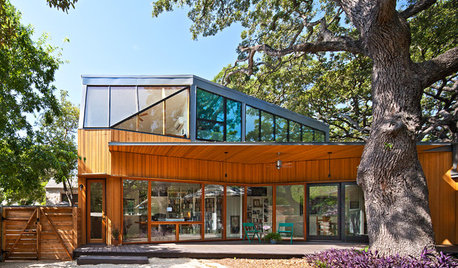
ADDITIONSHouzz Tour: Tree Respect Drives a Dynamic Modern Addition
Protecting a heritage oak calls for creative thinking, and this Texas home shows the successful result
Full Story
GARDENING GUIDESTree Care: Common Tree Diseases and What to Do About Them
Learn to recognize trees that may be affected by diseases or pests so you can quickly take action
Full Story
WOODWoodipedia: Make a Solid Choice With Oak
Forget those low-end products of old. Red and white oak today are beautiful, versatile and relatively inexpensive
Full Story
KITCHEN OF THE WEEKKitchen of the Week: Goodbye, Honey Oak — Hello, Minty Green
After more than 30 years, the Kloesels revamped their space to reflect their rural country town and Victorian-style home
Full Story
FALL GARDENING6 Trees You'll Fall For
Don’t put down that spade! Autumn is the perfect time for planting these trees
Full Story
LANDSCAPE DESIGN8 Reasons to Plant a Great Tree
Beauty is its own reward, but the benefits of planting the right tree in the right place go way beyond looks
Full Story
gardengal48 (PNW Z8/9)