

Too Dry
11 years ago
last modified: 11 years ago
Featured Answer
Sort by:Oldest
Comments (13)
 11 years ago
 11 years ago
Related Discussions
Cupping leaves--too wet or too dry?
Comments (2)Al, thank you for your response. You are the foundation of this forum. I did not add dolomite to the mixes, as my water has plenty of Ca (78 mg/L) and Mg (30 mg/L). To the mix I added Florikan MIV Meg-Iron, which has .09% Zn and .06% Mo. I added 1 lb./ cu. yd, or about 1/6 tab per gallon of mix. The Osmocote in the mix was Classic 18-6-12 (I know you like this ratio) in 8-9 months. There is little chance of herbicide spray, as the plants are in a high tunnel. Could it be too much or too little water? The problem with plants seems to be that too much or too little water can result in similar symptoms. Unless I come up with a definitive answer, I am hoping an experiment will shed some light. I am placing two similar plants side by side. For one I am cutting back on water. For the other I will increase the watering amount slightly. We will see which looks better over time. I hope they both do not die! Thank you again, Marc...See MoreEither too dry or too moldy -- HELP!!
Comments (13)Dave -- Thank you for your suggestions! I will definitely try to prop the dome a little and keep a fan going nearby. Oilpainter -- I acknowledge that damping-off may have played a role in killing the seedlings, but I did notice that they were fine when the soil was moist ... and in the morning, when the cell had tried out too much on top, they had fallen over (and not from the stem base -- it was more like an overall drooping). I've also heard a bit about this cinnamon trick -- I'll have to give it a try! Sleepy33 -- Thanks also for your advice. I may need to pull the lights away from the not-yet-germinated seeds, especially the poor surface-sown ones! Keriann -- You were actually right! I have both seedlings and not-yet-germinated seeds going right now. Swamp milkweed, purple prairie clover, sweet indian plantain, scabiosa, some violets, dill, and prairie coreopsis have sprouted. Milkweed is doing the best right now, just about to show first set of true leaves! I'm most worried about the violets, which are sprouting slowly and sporadically. They're so small, I'm afraid of them being consumed by mold. Same with snapdragon and joe pye weed seeds, which are extremely tiny and surface-sown. As for fungus: So far I've mostly seen a white haze of mold on my soil. Very subtle-looking. But strangely, I've also noticed many chunks of perlite exhibiting a coating of yellowish to orange-ish mold! What in the world!? I took tweezers and removed as much of the perlite from the soil surface as possible. I've also just started trying to overnight my seedling/seeded flats in my bedroom with a fan on to help keep the mold down. And sadly, I have no other place to set up my lights. :(...See MoreNot too dry - Not too sweet
Comments (8)I would decide what sweetness you like first. 0 is very dry, 1 is sweeter, 2 is sweeter than 1, etc... Once you know that, then go through and pick out a few different bottles to take home and try until you find one that you like. Everyone's taste is different so even a recommended wine might not be exactly what you are looking for. There are a lot of domestic Calif wines that are good and will be cheaper than imported. Personally, I like the German Rhine wines best, better than Italian and I prefer white for drinking without food, but I have not found a red that I truly couldn't drink either....See Moretoo dry/too much sun, or something worse?
Comments (3)If the browning is steadily spreading around the plant, it's a fungal disease and the plant may be bare by August. However, it might restart from a retarded state next season (sans the disease). I think all of mine became diseased after 15" of rain in June last year, but this year there's no browning!...See More 11 years ago
- 11 years agolast modified: 11 years ago
 11 years ago
- 11 years agolast modified: 11 years ago
- 11 years ago
 11 years ago
- 11 years ago
 11 years ago
 11 years ago
 11 years ago
Related Stories
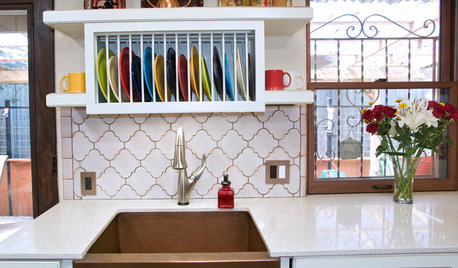
KITCHEN DESIGNDish-Drying Racks That Don’t Hog Counter Space
Cleverly concealed in cabinets or mounted in or above the sink, these racks cut kitchen cleanup time without creating clutter
Full Story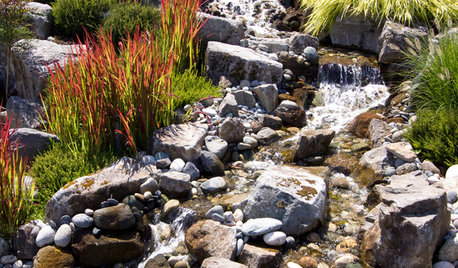
LANDSCAPE DESIGNDitch the Ordinary Ditch: Create a Realistic Dry Creek Bed
Here’s how to turn your water runoff system into an eye-catching accent for your landscape
Full Story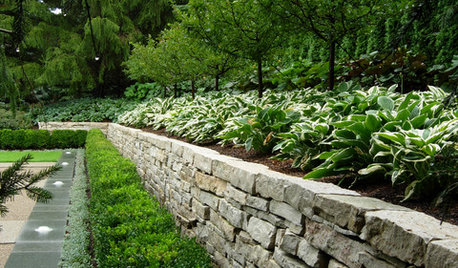
LANDSCAPE DESIGNGarden Walls: Dry-Stacked Stone Walls Keep Their Place in the Garden
See an ancient building technique that’s held stone walls together without mortar for centuries
Full Story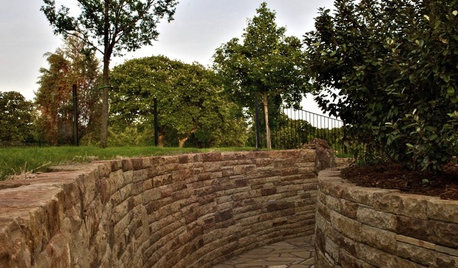
LANDSCAPE DESIGNPile On Style With a Dry-Laid Stone Retaining Wall
Durable, natural and practical, this landscape feature is an art form unto itself
Full Story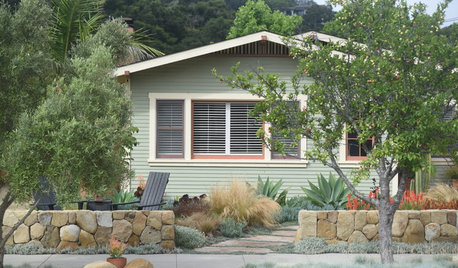
LANDSCAPE DESIGNHow and What to Plant in Dry, Sunny Spots
Save water and improve your site’s look with these design tips and help from a pro
Full Story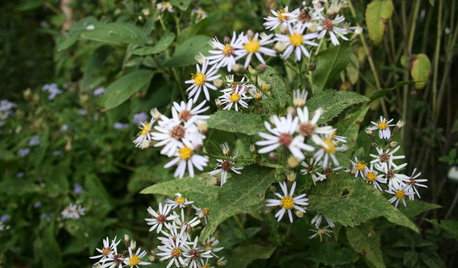
GARDENING GUIDES6 Native Ground Covers for Tough, Dry Spots
Sun beating down on your sandy gravel? Thick shade darkening your clay soil? There’s a ground cover here for you
Full Story
GARDENING AND LANDSCAPINGDry Riverbeds Solve Water Runoff
Spring rains don't have to lead to slides. Dry riverbeds redirect water runoff and add beauty to your landscape
Full Story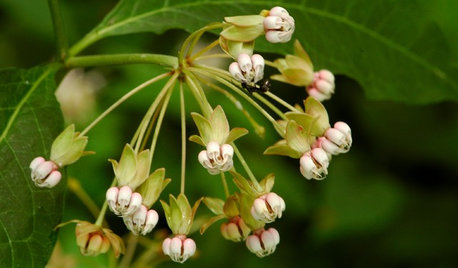
GARDENING GUIDES5 Unsung Wildflowers That Thrive in Dry Shade
Turn shady problem spots into garden idylls with with these prolific, easy-care bloomers
Full Story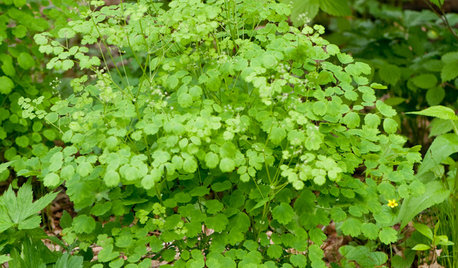
GARDENING GUIDESGreat Design Plant: Thalictrum Dioicum Thrives in Dry Shade
Plant early meadow-rue in eastern U.S. woodland gardens for its tolerance of dry sites and shade
Full Story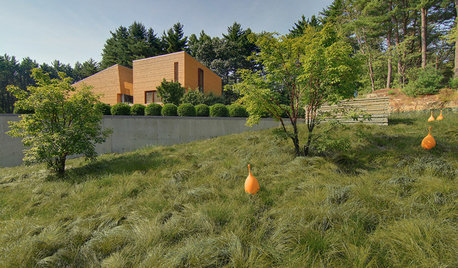
FLOWERS AND PLANTSCarex Pensylvanica Fills the Void in Dry Shade Gardens
Plant Pennsylvania sedge in eastern U.S. woodlands or dry shade gardens for spring flowers and softly textured bright green leaves
Full Story
mxypluxOriginal Author