

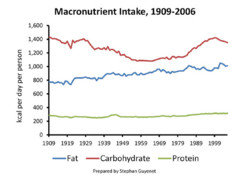
Fat and the new Dietary Guidelines
11 years ago
Featured Answer
Sort by:Oldest
Comments (11)
 11 years ago
 11 years ago
Related Discussions
Anti-depressants and dietary restrictions - help needed (long)
Comments (22)Kim, I am on the Low Tyramine diet for Migraine auras...so, my response is experience with the diet. The diet has been a pain due to my love for chocolate, avacados, bread, cheese, peanuts and raspberries. How all these things get lumped into one is beyond me. All were a mainstay, as was microwave meals. Oh, I forgot the raisins loved in oatmeal and ham for great winter soups. It is interesting that our minds think we have to have these things. I still "want" them, and keep thinking I hate everything else. Which is a bit silly as the everything else is quite a long list and no reason to not have some great stuff. Guess it is the grass being greener deal. My list also includes avoiding MSG. Have done a lot of searches to get a handle on this and the Low Tyramine diet. There is nothing out there except one book. And, if you start looking too hard. the list of what you can't have gets longer or just too confusing. Bottom line is anything on the store shelf has MSG as does fast food. So, I'm on the cooking from scratch diet, using fresh food, etc. Tis a pain, but am dealing with it. I will say that with this diet I am sleeping wonderfully. It has been years since getting more than a few hours at a time and waking up at 4 am. Actually I wake up surprised the night is without interruption. Cannot really say there are any other significant changes seen. Let us know how you are doing. It will be interesting to know how the diet affects another in a different situation....See MoreCutting back on Fats & Oils
Comments (31)"I've been eyeing his books. Primarily I'm interested in recipes. I watch his show ad nauseam when it's on and am not sure the books would contain additional information I would have to know. I think he is an excellent doctor and right on the mark." snookums, we love the recipes. One favorite is black bean "burgers" made with, among other things, mashed sweet potatoes. Another, which we're eating now and we make in a crock pot, is a fantastic mushroom chile. There are so many others. We use mostly the latest book at this point - or, to be technical about it, someone else here does, since I don't cook much :) - I think it's the first book that has a section of non-vegan recipes. That book is intended for people making a gradual transition to his diet/way of eating regimen. "I would love to get addicted to something healthy! After tasting some unsalted sunflower seeds, I picked up some that were roasted and salted in the All Naturals aisle. Wow. No need for so much salt!! Same with the organic granola bars. Sickening sweet and gummy. Ridiculous." We were at an art opening last night, and I was STARVING! We'd arrived late, and much of the food was gone. I took some carrot sticks, broccoli, cauliflower. I then made the mistake of taking some unidentified but interesting looking little something. Turns out it was a macaroon, and it was so sweet that I almost spit it out in front of everyone. I took a little wrapped sandwich but could not abide the taste of the turkey. It was so very, very salty. In fact, I couldn't even eat the wrap because of its own salt. Someone on the Fuhrman website made the very interesting observation that you come to like what you eat. What a seemingly simple observation! If you eat fast food every day, you will like it. If you drink diet soda regularly, you will like it. If you eat large salads with nut-based dressing or plain cooked kale, you will like those things. The key is to force yourself (if necessary) to eat things you don't like for a couple of weeks. After that, hard as it may be to believe, you will like those things, and you won't like the things you used to eat any more....See MoreIdeas for simple low-carb/low-fat/wheat-free meals?
Comments (9)Dips, dips and another dip! Years ago i self-appointed to be the designated chef at family gatherings...both families, and full of real, imagined, self-inflicted, moral, or just plain attention seeking dietary needs. (one year my niece and nephew, 6yrs and 12, announced vegan, lol) For game-side i would make dips with every dipper veg available. I ended up getting the list for different diets and made stuff up. Actually ended up being not much different than what we eat with a few adjustments...for example, a humus without beans.... 4 cups peeled & chopped raw zucchini 2 cups roasted califlower, chopped (optional) 3/4 cups tahini (sesame paste) 1/2 cup fresh lemon or lime juice 1/4 cup olive oil 4 cloves of garlic, peeled 2 teaspoons kosher salt (or to taste) 1 Tbl ground cumin tender center with leaves of celery cilantro with stems, to taste -puree in blender A salsa, a bana coda, a goat cheese pesto dip...i use my harvested roasted toms with veggies from the freezer and add lime, cilantro, and red onion when thawed for salsa. I have even included the recipe under the serving bowls, lol. So tired of all the questions of ingredients,...(after a few days when everyone turns kook.) Cooking keeps me out of the chatter for the most part. I make a ton of each, have serving bowls prepped and ready but have back-up quarts for re-filling if needed. (and good left-overs if one dip is not so popular) I like the chicken strips on skewers idea and maybe shrimp. Prepped ahead and popped in the oven if something warm is needed. With a nice Asian nutty sauce. (roasted pumpkin seeds?) A family favorite is tortilla pizza. Low carb, gluten-free, this and that tortilla options in a health food store. Many options for toppings and can be chosen for each diet individually. I prep all ahead in the morning...onions mushrooms simmered, roasted peppers and veg, a variety of cheeses, different meats...a mandoline is key for a thin edge of potato or sweet potato. The tortilla is thin and gets crispy quickly. Not a dough thick pizza...more about the toppings. Seems to please everyone no mater the diet issues. A prosciutto roll up with cheese and veg on parchment is a no crust option. This one is asparagus, mozz, tom and arugula with pesto under the thin potato edge. -my personal favorite is onion, gorgonzola, prosciutto, artichoke heart with an egg, (broken yolk) cracked on top. : )...with a pesto potato edge. This post was edited by sleevendog on Mon, Sep 16, 13 at 1:04...See MoreFat Quarter Swap: Small Florals - May 15
Comments (71)Got mine today too! Thanks trifles. I'm sorry you had to add postage. I didn't think about that or I would have sent you a little extra to add to that. I just figured I didn't have to worry about it since you had my envelope from last time. Thanks again. Everything was Beautiful. I'm looking for a pattern now that will show them off. One I actually have in my stash..LOL Lynette...See More- 11 years ago
- 11 years ago
 11 years ago
 11 years ago
- 11 years ago
- 11 years ago
- 11 years ago
 11 years ago
Related Stories

DECORATING GUIDES11 Area Rug Rules and How to Break Them
How big should an area rug be? These guidelines will help you find the right size and placement
Full Story
MOST POPULAR7 Ways to Design Your Kitchen to Help You Lose Weight
In his new book, Slim by Design, eating-behavior expert Brian Wansink shows us how to get our kitchens working better
Full Story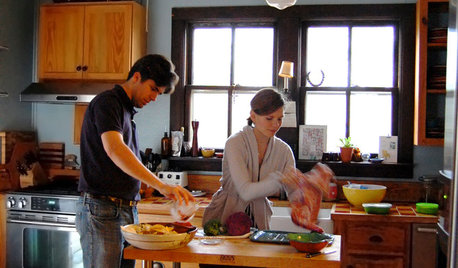
ENTERTAINING8 Stress-Busting Tips for Hosting Small Gatherings
Make entertaining easy with these ideas for casual get-togethers
Full Story
DECORATING GUIDESHere's How to Steer Clear of 10 Top Design Don'ts
Get interiors that look professionally styled even if you're taking the DIY route, by avoiding these common mistakes
Full Story
DECORATING GUIDESHow to Get Authentic French Style in Your Home
Move over Shabby Chic and French Provincial. These myths and realities reveal the real look of French decor
Full Story
GARDENING FOR BUTTERFLIESGardening for the Bees, and Why It’s a Good Thing
When you discover how hard bees work for our food supply, you may never garden without them in mind again
Full Story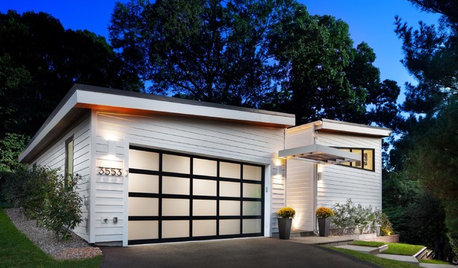
GARAGESKey Measurements for the Perfect Garage
Get the dimensions that will let you fit one or more cars in your garage, plus storage and other needs
Full Story
GARDENING AND LANDSCAPINGBe a Citizen Scientist to Help Wildlife, Learn and Have Fun Too
Track butterflies, study birds, capture stars ... when you aid monitoring efforts, you’re lending Mother Nature a hand
Full Story
GARDENING GUIDESBackyard Birds: Invite Entertaining Hummingbirds Into Your Garden
Hummingbirds — unique to the Americas — zip through open landscapes seasonally or year-round. Here’s how to attract them
Full Story
BATHROOM DESIGN14 Design Tips to Know Before Remodeling Your Bathroom
Learn a few tried and true design tricks to prevent headaches during your next bathroom project
Full Story

rob333 (zone 7b)