

Imagine 80 - 90 million people being dumped on the U.S. in a few years
11 years ago
Featured Answer
Sort by:Oldest
Comments (11)
 11 years agolast modified: 11 years ago
 11 years ago
Related Discussions
Let's hear it for the best gardening location-U.S.
Comments (31)Gardengal48 first, the original question asked about moving to an area for gardening, so that is what I answered. Obviously most people cannot move only for best gardening. Second, I could not disagree with you more. Pollinators are one aspect of a very complex system of specific interactions that have evolved together so that every aspect fulfills a specialized niche in the ecosystem. I have a Master’s in both Wildlife Biology and Environmental Education. Did you know that songbirds gain their coloring for specific proteins found in their food sources? Each different protein will create a specific color. During migration and mating season, these proteins are by far the most important food source for each species of bird since a female will choose a male to mate with based first on his color brightness. The highest concentration of the proteins are found in many different species of moth caterpillars. Each caterpillar has a specific host species or genus that it eats, and nothing else. As the native moth caterpillars, that the native birds seek out, only eat native plant species, then without those plants both animal species are out of luck. There are thousands upon thousands of other examples like this, so just because pollinators drink nectar or collect pollen from non native plants that is where it stops. Not to mention many non native species that are used by gardeners end up escaping cultivation and become nasty problems in the surrounding wild areas. In my area, NW Ohio, 3 species that escaped cultivation have devastated many of the last remaining swamps of the Lake Erie Basin - Purple Loosestrife, Phrafmites Reed Grasses, and Asian Honeysuckle bushes and vines (multiple varieties). This has effected the water table, fish species, bird species, soil composition, etc. Every plant we plant as humans has an impact on every species since plants are the base of the food web, so what we chose can either be extremely beneficial, neutral, damaging, or extremely negatively altering. Being educated about each choice and their impacts is very important and can hopefully help save species that are currently on the brink and stop any more from becoming that way....See MoreMonsanto's Assault on U.S. Farmers
Comments (45)Hi all. I'm a newbie to this forum but not to this topic. Bottom line in regards to the original posting: if you sign the forms and then violate those terms then you are legally responsible. Putting aside what I think about the chem congloms (I detect a stench strongly akin to that of Ma Bell), signing your name to a legal agreement is still binding. Say you decide to quietly save back some RoundUp Ready seed, or decide that non-GMO refuges are just a waste of time/money and put a field completely into a GMO crop...you are knowingly going against your contract and busted is busted. If the speed limit is 35 and you get clocked at 70 don't feign surprise when you get the ticket. We have been saving back seed from our best-performing variety of soybeans for the last seven-10 years (non-GMO of course). This year when we contacted the operation that we use for our cleaning and storage they informed us that they had totally discontinued this service due to ongoing litigation with several customes. You guessed it...people were caught saving back GMOs. And the same people who don't understand the concept behind a refuge system with GMOs are quite often the ones who have more and more weeds still nice and green after yet another year of ALS-herbicides and can't figure it out. They accept the technology as foolproof without ever fully understanding it. I am sure there are a few here who will immediately want a background check. Here's what you get: We are small farmers-- the dying breed, if you will. We farm less than 400 acres of the big three (a rotation of soybeans, corn, and milo), all conservation tillage. The only reason my husband and I stay with this is because his dad died this past September and we absolutely refuse to sell the family farm to the 5000 Acre-Big Names. If I had my way (and wishes were horses so that beggars could ride) I would put it ALL BACK into native hardwoods and prairie and tell the rest of these greed-driven big operators to keep their damn hands off...uh, sorry--need my Prozac fix, forgive the tangent. Did try Bt corn against my wishes...I don't feel secure around anything GMO but the decisions are not all mine to make. Objectively speaking, I did notice that the non-Bt had a higher mold occurrence in the ears due to caterpillar frass breaking down (Makes me think of the contaminated Diamond dog food in the news lately), but other than that, we didn't see much difference in yield or stalk quality between the GMO vs non. Of course, no two growing seasons are alike in terms of weather, pest stresses, etc.... Never used RoundUp Read...beans, corn, any of it. In fact three years ago we got a 30-cent PREMIUM for non GMO beans. Only money we EVER saw from RoundUp Ready was two years ago when a neighbor who does bow and scrape to The Roundups had an adjoining field custom sprayed... seems that operator skipped school the day they taught basic GPS and so we received a complimentary spraying and a bunch of dead beans. It isn't possible with bigger acreages, but some of us still do it the old-fashioned way: long-sleeves, a bottle of water and a cane hook. I admit I am losing ground to the water hemp and the cockleburrs in some places, but after the initial spring planting/spraying (yes, we DO use some chemicals) the majority of post emergent weed populations such as shattercane, ragweed and velvetleaf are up to me. I have yet to read of a knife-resistant strain of anything. Politicians, maybe?...See MoreWhat's the largest U.S. export to China?
Comments (50)If Noah had lived in the United States today the story may have gone something like this: And the Lord spoke to Noah and said, "In one year, I am going to make it rain and cover the whole earth with water until all flesh is destroyed. But I want you to save the righteous people and two of every kind of living thing on earth. Therefore, I am commanding you to build an Ark." In a flash of lightning, God delivered the specifications for an Ark. In fear and trembling, Noah took the plans and agreed to build the ark. "Remember," said the Lord, "you must complete the Ark and bring everything aboard in one year." Exactly one year later, fierce storm clouds covered the earth and all the seas of the earth went into a tumult. The Lord saw that Noah was sitting in his front yard weeping. "Noah!" He shouted. "Where is the Ark?" "Lord, please forgive me," cried Noah. "I did my best, but there were big problems. First, I had to get a permit for construction, and your plans did not meet the building codes. I had to hire an engineering firm and redraw the plans. Then I got into a fight with OSHA over whether or not the Ark needed a sprinkler system and approved floatation devices. Then, my neighbor objected, claiming I was violating zoning ordinances by building the Ark in my front yard, so I had to get a variance from the city planning commission. Then, I had problems getting enough wood for the Ark, because there was a ban on cutting trees to protect the Spotted Owl. I finally convinced the U.S. Forest Service that I really needed the wood to save the owls. However, the Fish and Wildlife Service won't let me take the 2 owls. The carpenters formed a union and went on strike. I had to negotiate a settlement with the National Labor Relations Board before anyone would pick up a saw or hammer. Now, I have 16 carpenters on the Ark, but still no owls. When I started rounding up the other animals, an animal rights group sued me. They objected to me taking only two of each kind aboard. This suit is pending. Meanwhile, the EPA notified me that I could not complete the Ark without filing an environmental impact statement on your proposed flood. They didn't take very kindly to the idea that they had no jurisdiction over the conduct of the Creator of the Universe. Then, the Army Corps of Engineers demanded a map of the proposed flood plain. I sent them a globe. Right now, I am trying to resolve a complaint filed with the Equal Employment Opportunity Commission that I am practicing discrimination by not taking atheists aboard. The IRS has seized my assets, claiming that I'm building the Ark in preparation to flee the country to avoid paying taxes. I just got a notice from the state that I owe them some kind of user tax and failed to register the Ark as a 'recreational water craft'. And finally, the ACLU got the courts to issue an injunction against further construction of the Ark, saying that since God is flooding the earth, it's a religious event, and, therefore unconstitutional. I really don't think I can finish the Ark for another five or six years." Noah waited. The sky began to clear, the sun began to shine, and the seas began to calm. A rainbow arched across the sky. Noah looked up hopefully. "You mean you're not going to destroy the earth, Lord?" "No," He said sadly. "I don't have to. The government already has."...See MoreOT: A Wrinkle in Time for the U.S.
Comments (45)Well, I'm in Western Australia and enjoying daylight saving. The weather is still the same no matter what the hour, daylight saving doesn't make the days any hotter, some opinions to the contrary :-). My husband, who installs TV antennas, is enjoying the fact that with daylight saving there is a little more time during the morning when it is cool enough to work in and on a roof without being turned into a crisp. There is also more light time in the evenings for finishing off jobs. I am enjoying the fact that I can get all our evening watering done while it is still light enough to see what I'm doing. My adult daughter enjoys that she can go to the gym in the evening and not come out to a dark car park. Yes, we get up in the dark but we do that in winter anyway and its no big deal. Certainly it is easier dealing with businesses on the other side of the country (where a lot of the head ofices are based) with a two hour rather than a three hour time difference....See More 11 years ago
- 11 years agolast modified: 11 years ago
 11 years agolast modified: 11 years ago
- 11 years ago
- 11 years ago
 11 years ago
- 11 years ago
- 11 years agolast modified: 11 years ago
Related Stories
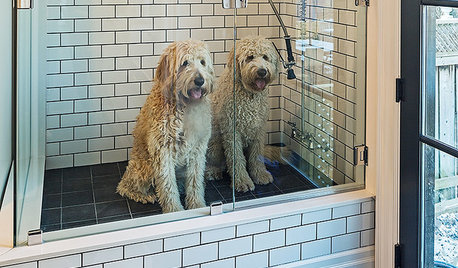
THE HARDWORKING HOME8 Laundry Room Ideas to Watch For This Year
The Hardworking Home: A look at the most popular laundry photos in 2014 hints that dog beds, drying racks and stackable units will be key
Full Story
COLORHow to Use Marsala, Pantone’s 2015 Color of the Year
Pantone digs deep and goes earthy with its selection. Here are ways to make it work in your home
Full Story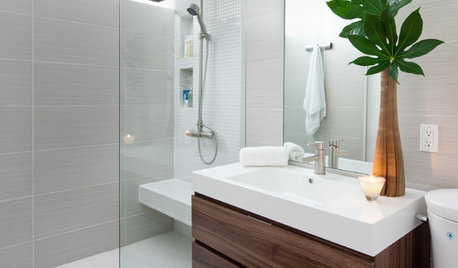
REMODELING GUIDESHow People Upgrade Their Main Bathrooms, and How Much They Spend
The latest Houzz Bathroom Trends Study reveals the most common budgets, features and trends in master baths. Now about that tub …
Full Story
FUN HOUZZDon’t Be a Stickybeak — and Other Home-Related Lingo From Abroad
Need to hire a contractor or buy a certain piece of furniture in the U.K. or Australia? Keep this guide at hand
Full Story
DECLUTTERINGYour Clutter-Clearing Plan for the New Year
Tackle these tasks month by month for a decluttering strategy that will really pay off
Full Story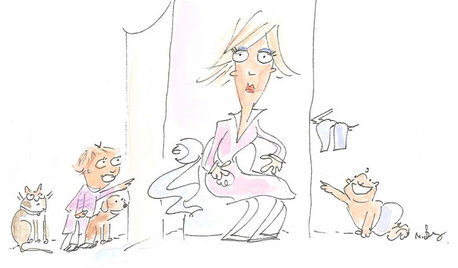
LIFE21 Things Only People Living With Kids Will Understand
Strange smells, crowded beds, ruined furniture — here’s what cohabiting with little monsters really feels like
Full Story
HOUSEKEEPINGCan-Do Cleaning Strategies for Busy People
While you dream of having a maid (to go with the cook and chauffer), this simplified cleaning routine can keep your real-world home tidy
Full Story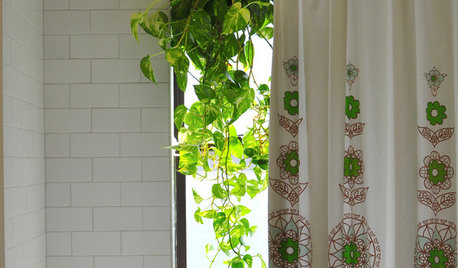
MOST POPULARThe Perfect Houseplant for People Who Kill Houseplants
If you can fill a jar with water, you can keep golden pothos vine happy — and it will pay you back with cleaner air and a greener home
Full Story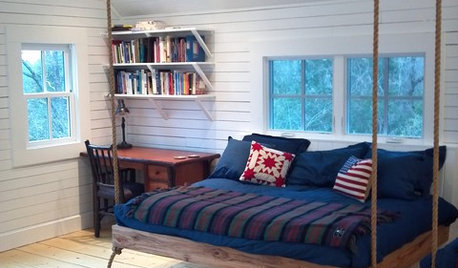
DECORATING GUIDESHemp, Hemp, Hooray! This Superplant May Be Legal Again in the USA
Hemp products are durable, sustainable, antibacterial and much more. Will the plant finally get the status it’s due in the States?
Full Story
FUN HOUZZ10 Things People Really Don’t Want in Their Homes
No love lost over fluorescent lights? No shocker there. But some of these other hated items may surprise you
Full Story



plllog