

Need to feed 50 hungry athletes....help!
12 years ago
Featured Answer
Sort by:Oldest
Comments (35)
 12 years ago
 12 years ago
Related Discussions
OT: need to know if I am suppose to feed the pond fish?
Comments (21)Lucy you are going to give yourself a nervous breakdown. Just leave the stuff wherever it is and quit moving it around before you hurt your back. Leave the big back door shut and just open the windows and front door unless it gets in the 30's. John had started feeding the fish a few days before we left because it had been so warm but they won't eat now until the water warms back up. If you see them swimming around looking for some you can throw in a pinch but otherwise they are good. I'm sorry you are stressing out so bad. It will be ok so quit worrying. Having a good time but worn out being on my feet all day for so many days in a row. I need a rest day instead of a run all over one. The sunset was really beautiful tonight. One side of the island is stormy every night but the other side it dry so we had to drive 2 hours to get some sun, lol. Back internet connection over here so can't get on much and can't get pics to download to photobucket. I'll mess with it more when I have time. Have only been at the house to sleep mostly. Lucy you can call me if you need to. Its a 5 hour time difference....See MoreFeeding the wormies..something different
Comments (23)Tommy, you might have BSF (Black Soldier Fly) larva. Some BSF larva in a worm bin is OK but if there are too many of them, the worms get distressed. BSF larva help break down matter for worms and these larvae work VERY fast compared to worms. This means increased composting process and depending on bin size, ventilation etc etc might overheat the worm bin, hence distressing them. Just keep an eye on them and adjust things accordingly. Did you buy the oyster shells? You could get egg shells for free from places serving breakfast. In summer, like now, I do my runs on Mondays because the cafe is busier on week-ends. In the process, I also get the trays the eggs came which make good bin bedding, very absorbent. I used to wash/rinse them in the past but don't do that anymore since last year. I put them in the sun to dry and once dry, roll a bottle over them and put them through a grain grinder. That's how I get my powdered egg shells. Got the grain grinder from amazon after I burnt 3 blenders. Too much egg shells will not hurt the worms or the bin condition. Egg shells will bind acid but unlike lime, if there is no acid to bind, it will not change the bin into alkaline. It will just sit there as egg shells. I have not used ground oyster shells but I guess it would be the same....See MoreWhen should I start/stop feeding my fish?
Comments (0)Let's start with a brief explanation of why you should not be feeding your fish during winter. As the water cools in the autumn, the fish start slowing down in preparation for a period of semi-dormancy. Their digestive and immune systems slow down, and they are not capable of digesting the same types of foods that they can during the warmer months. Koi are particularly susceptible to problems at this time, as they have no stomach to aid in digestion; food passes directly into their small intestines, where it will sit and rot. The ensuing intestinal bacteria can pass into their bloodstream, causing sepsis which will debilitate or even kill the immune-suppressed fish. The general rule of thumb is to slow feeding when the water starts to cool into the upper 50s farenheit, feeding small amounts of low protein food a few times a week, and to quit feeding altogether when the water reaches 50. (A thermometer can be purchased for minimal cost and should be suspended in the pond, about 18 inches deep.) If the fish are still hungry, they'll find algae and other natural delights to sustain them, and these simple foods found in the pond will be more easily digested. The above rule, however, applies only to those of us who live in a climate with cold winters. Those living in climates where the water hovers around the 50-55 degree mark have a challenge. As stated, the fish's immune systems are not working up to par at lower temperatures, however, many "bad" bacteria are still active at these temperatures and can create problems in the weakened fish. In these cases, a small quantity of medicated food fed once or twice a week can help the fish withstand the bacterial attack. (Some people also salt their pond at this time as a prevention against parasites that are still active at lower temperatures. There is good information on the Koivet website on salting the pond.) If you feed your fish during this time, be sure to monitor ammonia levels, as the fish will be giving off ammonia in their waste and the bacteria in your biofilter will not be working at these low temperatures. (When testing winter water, always warm the water sample to room temperature before testing.) As the water warms into the fifties in the spring, you can slowly start feeding again. Beware the false spring syndrome! Many people are excited at the prospect of the first warm spring-like days and the increase in fish activity, and begin feeding, only to find the temperatures plunging into the thirtys within days. *BE PATIENT* and wait until you're sure your water temperatures are stable before you begin feeding. Once the water reaches a stable 50 degrees Fahrenheit, it is a good idea to start feeding with a small amount (two or three times a week for no more than three weeks) of medicated food containing Romet or Terramycin, supplemented by low protein, high carbohydrate foods such as wheat germ, cooked squash, brown bread, dark greens (not iceberg lettuce), and fruits high in Vitamin C. As the temps head into the higher 50s, start adding a bit of low-protein pellets to their diet, and increase feedings to four or five times a week if the fish are hungry. As the water heads into the sixties, start increasing the protein in their food. By the time the water is 65-72 F the majority of their food should be a good quality, high-protein food. Avoid foods that contain corn and other plant proteins as primary ingredients; the protein should be from fish or seafood to ensure the fish are getting the proper balance of amino acids that they need to thrive. Fruits, vegetables, shrimp and other live foods can also be given during the warm, active months of the year. Observe your fish closely during spring warm up, as this is when they are most susceptible to bacterial and parasitic invaders. Do NOT overfeed, and be sure to scoop out any uneaten food so it doesn't foul the water. It is best to err on the side of under-feeding and allow your fish to eat the easily digested algae that is often prolific at this time of year, rather than over feed the wrong foods and cause additional stress to your friends as they make the often difficult spring-time transition. Ronaye, Steve and David...See MoreDesperate for advice. BF has 50% custody, it's ruining my life!!
Comments (10)It is your house honey. Either he and his brats follow your rules or they need to get out and go to grandmas. That x box you keep talking about would be gone. If dad's not there they don't need to be at your house and if he and their mother can't get it together and raise their children properly tell him that they are NOT welcome there at all. Because it is clear they are not. There is no reason to keep tolerating this enormous intrusion. It is not good for any of the parties involved. Those children know you don't like them. If grandma is so in love with them she can deal with them. On that note. ..this is partly your doing. You left your husband for a loser. A loser with the worst kind of baggage. ..brats. He will always put his kids before you as he should. I don't know the state of your marriage so I wont speculate on your reasons. However you knew of this baggage before you got yourself into this mess and you got it in anyway. And having children yourself, you clearly know where babies come from and now have allowed yourself to get pregnant by a loser mama's boy. Now you're kinda stuck. You are having his brats half sibling. You are stuck dealing with him for the foreseeable future. I feel for you. My suggestion: lose the loser. Move on. Take it from me...this will NOT change. I know it's hard to do this. It is only going to be harder now that you are having his child. But it's time to pull up the big girl panties and do what's best for you and YOUR children. YOU can't stand them YOUR KIDS can't stand them. THEY know it and probably feel the same. Trust me, after a while you will kick yourself for putting with it for as long as you did. Good luck....See More- 12 years ago
 12 years ago
- 12 years ago
 12 years ago
 12 years ago
- 12 years ago
- 12 years ago
- 12 years ago
- 12 years ago
- 12 years ago
- 12 years ago
- 12 years ago
- 12 years ago
- 12 years ago
- 12 years ago
- 12 years ago
- 12 years ago
- 12 years ago
- 12 years ago
- 12 years ago
- 12 years ago
- 12 years ago
- 12 years ago
- 12 years ago
- 12 years ago
- 12 years ago
- 12 years ago
- 12 years ago
- 12 years ago
 10 years ago
 10 years agolast modified: 10 years ago
- 10 years ago
Related Stories

MOST POPULAR7 Ways to Design Your Kitchen to Help You Lose Weight
In his new book, Slim by Design, eating-behavior expert Brian Wansink shows us how to get our kitchens working better
Full Story
PETSThe Best of My Houzz: 50 Design-Loving Pets
Share in the animal love with snapshots of adorable furry friends from our My Houzz series
Full Story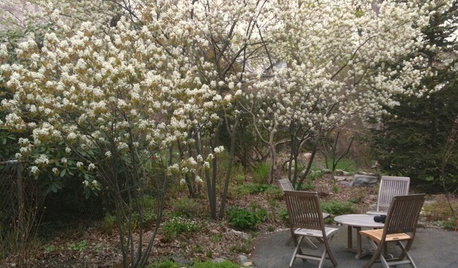
GARDENING GUIDESGreat Design Plant: Amelanchier Signals Spring With Airy White Blooms
With roughly 20 species of serviceberry native to the U.S., bees can feed on the early-season blooms while birds enjoy the summer berries
Full Story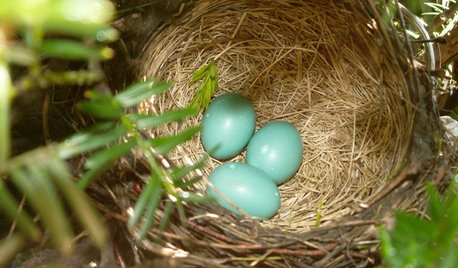
GARDENING FOR BIRDSWhat to Know About Birds Nesting in Your Yard
Learn how to observe, record data and help ornithologists with NestWatch’s citizen science project understand bird trends
Full Story
KITCHEN DESIGNKitchen of the Week: Function and Flow Come First
A designer helps a passionate cook and her family plan out every detail for cooking, storage and gathering
Full Story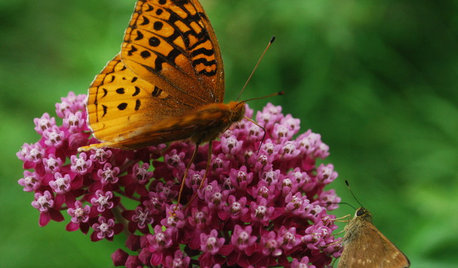
GARDENING GUIDESGreat Design Plant: Asclepias Incarnata for a Butterfly Garden
Beautiful swamp milkweed makes it easy to help monarchs and other pollinators in eastern U.S. gardens
Full Story
HOUZZ TOURSMy Houzz: Cozy Country Meets Bohemian Artistic in Australia
Healthy helpings of salvage and rustic art give a pastureland home free-spirited style
Full Story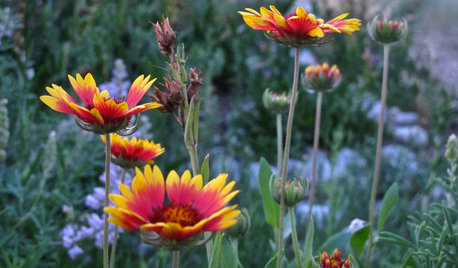
GARDENING GUIDESThese Hummingbird-Attracting Native Plants May Surprise You
These flowers, vines and shrubs offer shelter and food supplies that keep hummingbirds around longer
Full Story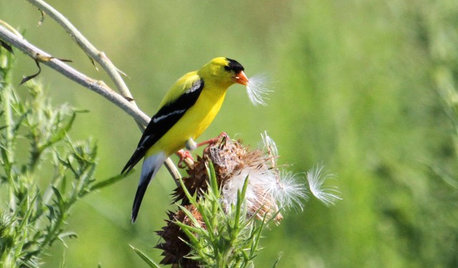
GARDENING FOR BIRDSWild Birds Transform a Woman’s Garden and Life
How Sharon Sorenson created a wildlife haven and became the Bird Lady of Southern Indiana
Full Story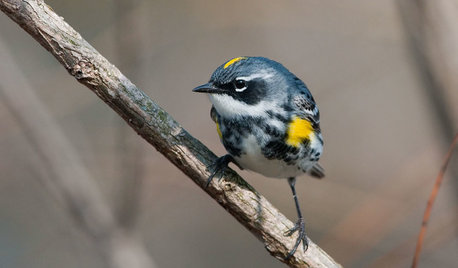
GARDENING GUIDESBackyard Birds: The Wonder of Warblers
These small, dynamic birds call North America home, with the yellow-rumped warbler flocking to every U.S. state
Full StorySponsored

matti5