

I can not blanch peaches
17 years ago
Featured Answer
Sort by:Oldest
Comments (10)
 17 years ago
- 17 years ago
Related Discussions
Can I save tomatoe seeds after blanching the tomatoes?
Comments (11)Thanks everyone for all the input and advice! I wanted a lot of seeds because I hoped to offer them to the people on seed savers forum who donated seeds to a program with people who have profound disabilities where I work. These are probably a named tomato but I don't know the variety. The Swartzentruber Amish family I buy them from doesn't know the type. They just call it a low acid tomato and have been saving the seeds for "a long time". The plants produce an amazing yield of large to very large tomatoes. The fruit is meaty and most are round or oblong, rarely lumpy and excellent for slicing. They have good old fashioned flavor. I actually like the flavor of the brandywine and better yet, Cleota Pinks a little more, but these are very worthy tomatoes. From the road or vegetable stand I can't tell if the plants are potato leafed or not. I did save seeds from several nice tomatoes that weren't blanched. Instead of fermenting them the way I usually do, I placed them in a tupperware sandwich container with pinholes punched all through the lid (from different project). They got moldy!!!!!! Don't know if I'll have any to share or not. Might go buy a few more. They sell individually for .50 a piece. So.. that's the story behind the seeds! Linda Renee...See MoreCan I prevent Fire Blight the way I prevent Peach Leaf Curl?
Comments (3)It would help, probably a lot, but might not be as fool proof as PLC control. I've never had it in west Texas because it's so dry. But we don't have dew much and it dries off fast when we do. If there is little inoclulum for the bees to carry around and the trees aren't infected to start with, I'd bet on your plan working....See MoreTo blanch or not to blanch
Comments (29)The National Center for Home Food Preservation is essentially the standard for government tested results for food preservation --- whether it's for up-to-date methods for canning, pickling, jam/jelly, low-sugar, freezing, drying, curing/smoking, fermenting, etc. Take any and all information shared from the site for what it's worth to you, we're all adults here and can do what we want. But when I teach classes at the County Extension Office, 4-H groups, the Senior Center and Food Bank and other places as a certified Master Food Volunteer through Kansas State University Cooperative Extension, or pass on information on this, or other message boards, these are the guidelines I use and the factsheets I share. I can only suggest using tested recipes and methods, and that's what the National Center for Home Food Preservation provides. Blanching is also used for those of us who dehydrate vegetables to stop the enzymes in the food, and up-to-date instructions can be found through the National Center for Home Food Preservation that include acidified water bath treatment that most people omit, or are completely unaware of. There were new home drying recommendations (in 2006) due to the potential for microorganisms like Salmonella and E. Coli 0157:H7 and home-dried food in two studies conducted at Colorado State University (and other studies since), so there are new procedures needed to ensure the safety of home dried/dehydrated foods. I tend to follow these recommendation, and it's also what I teach in the classes on the subject, but others may find it an unnecessary step - the old "we've always done it this way and it's never killed us yet" thinking. We blanch food for other reasons - to soften it (which is what happens when you blanch corn), preserve it's color (even though heat is chlorophyll's archenemy - the science how it works is pretty interesting), sometimes blanching is used to facilitate the removal of skin (like peaches and tomatoes), and blanching can also help to eliminate bitter flavors (broccoli rabe, for example). Blanching stops the action of enzymes that cause poor texture and loss of color and flavor. Blanched vegetables also reconstitute more easily than ones that haven't been blanched. Do your own research if you don't agree with the National Center for Home Food Preservation - although most web sites use it as a "standard", and blanching times were tested at the University of Georgia....See MoreTo Blanch or Not to Blanch?
Comments (9)I think it depends on the veggie, the use of it, and the storage time. In this case corn. For corn, there are several factors. On cob or shucked? Blanched on cob, or blanched after taking off the cob? Freezer store time for a few weeks due to surplus, or stocking up for the winter? Do you IQF, or whole bag freeze? Ziplock bag or vacuum seal bag? Personally, for whole cob freezing.. I prefer to leave it on the cobs and halve the cobs (for easier space storage) and blanche it before IQF and either ziplock sealing for short term or vacuum sealing for long term freezing- unless the corn is less than 12 hours old, then I will often IQF it and vacuum it. But for off the cob, I prefer to shuck the cobs onto cookie sheets, and IQF it without blanching before bagging- again ziplock for short term or vacuum sealing for longer term. If I know I am going to use the corn for creamed corn, I prefer to blanch it on the cob, shuck it, then just put into bags, either ziplock or vacuum. Though most often, I shuck it raw, and oven or smoker dehydrate it, and use the cobs to make corn stock for the freezer. If you really can't hang with unblanched frozen cob corn, shuck those suckers for cream corn, and use the cobs for stock....See More- 17 years ago
- 17 years ago
 17 years ago
- 17 years ago
- 17 years ago
- 17 years ago
- 8 years ago
Related Stories
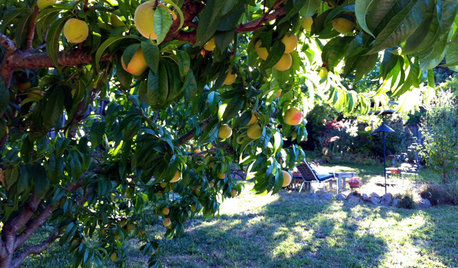
EDIBLE GARDENSHow to Grow Your Own Peaches and Nectarines
Make gardening a little sweeter with these juicy fruits, which you can eat after plucking or preserve for later
Full Story
COLORSpring Forecast: Dare to Love Peach Again
8 Succulent Spaces Show How to Welcome Peach Back Home
Full Story
HOUZZ TOURSHouzz Tour: Georgia Peach Grows California Roots
Southern Glamour and Bay Views Combine in Lush San Francisco Home
Full Story
PETSWhat Chihuahuas Can Teach Us About Interior Design
Who knew these tiny dogs could be such a huge fount of design tips? Houzzers did
Full Story
COLORHow Merlot Can You Go? 8 Enticing Ways With Wine-Inspired Hues
Add warmth and drama to your home with these deepest shades of red
Full Story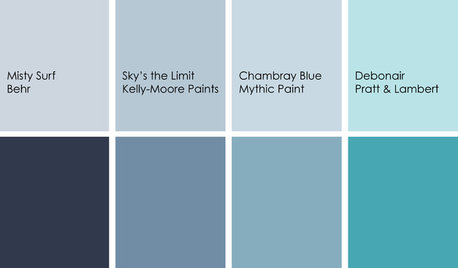
DECORATING GUIDESColor Feast: Yes, You Can Use Blue in the Dining Room
The sky's the limit for beautiful blues in your home's dining spaces; here's how to make it work
Full Story
DECORATING GUIDESThe '70s Are Back. Can Ya Dig It?
No need to cringe. These 21 groovy blasts from the past are updated to look fabulous today
Full Story
FALL GARDENING5 Fall Fruits You Can Grow in Containers
Brighten your porch or patio with a potted pomegranate, kumquat, blueberry bush or another great fall fruit
Full Story
PLANTING IDEAS5 Ways to Use Pastel Plantings in Contemporary Gardens
Learn how pink, lilac, lavender, cream and peach can bring a soft beauty to your landscape
Full Story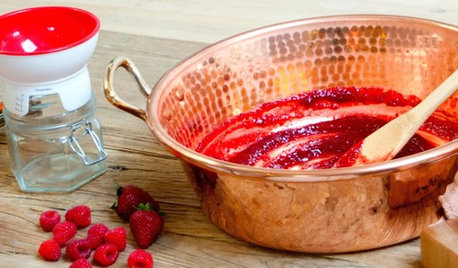
SHOP HOUZZHouzz Products: Save a Taste of Summer
Can't bear to part with the flavors of summer peaches, berries and tomatoes? Then jam on it!
Full Story

annie1992