

Best use for lots of turnips?!
16 years ago
Featured Answer
Sort by:Oldest
Comments (18)
 16 years ago
- 16 years ago
Related Discussions
Turnips, turnips everywhere!!
Comments (28)I don't know how much of your garden is planted so far, but if you feel like you can't control the weeds in the whole area, I'd consider limiting the planted area to as little as a quarter of the space. By careful weed management in a smaller area you may actually increase your yields compared to gardening the whole space under heavy competition from whatever weed you've got-- johnsongrass is a good guess. Virginia tech has a weed identification site (google ipm weed virginia and the link should pop up). The drawback of trying to garden the whole area and failing to get the bad weed problem under control is that you'll be perpetuating and increasing your weed population for next year. I have a very productive garden that's approximately 25x25. The perennial weeds still kick my butt this time of year (my own pest is nutsedge right now... I won the war with bermudagrass), but with constant vigilance hand-weeding can usually be successful in a small space. If you can limit your garden to only a portion of the space, then you could repeatedly till the rest of the area (tilling once just increases the problem. If you till repeatedly at two week intervals eventually the roots run out of steam and weaken) or mow or graze animals on it. Whenever possible, remove the roots and stems or at the very least leave them on top of the soil to dry out instead of leaving them buried to regrow. Good luck! I wish you had turnips instead! Here is a link that might be useful: Johnsongrass eradication...See Morebest way to stake a lot of dahlias
Comments (13)Hi All; We only grow about 200 plants each year. There are many times where the blooms are so large they are not able to support themselves with very thin stems particularly after a rain. We purchased 1/2 dia. conduit, 10' lengths, relatively inexpensively at Home Depot. Painted them green, cut them to different lengths, pounded them into the ground using a protecting piece of wood. For ease the other inexpensive pieces are conduit connectors so cutting short or long lengths can be added with just a Phillips screwdriver. We have been growing these beautiful flowers for about 10 years and as the plants show their heights it is possible to often know which ones are 2-5' tall and those that are gong to be 8' high. The purchase of the conduit gives you the ability to cuts different lengths and after some time there will be enough short/long pieces to get you through the season just by adding additional lengths. We prefer not to use any type of webbing that would take away from the beauty of our Dahlia blooms. The conduit in most cases is difficult to see within the foliage. Help this helps to make your gardens more beautiful than ever. Charlie...See Moreturnips or clover or ? for useful ground cover
Comments (4)Hi Leava, I was wondering where y'all have been. We missed you both at the Spring Fling at Paula's house this spring. I hate hearing about all the tornado damage you and Jeff have had to deal with. That is such a huge tree. I bet y'all really miss the shade it used to provide. Turnips would be lovely and there's lots of other cool-season crops that are pretty low-maintenance that you could grow as well....rutabagas, beets, carrots, collard greens, kale (there are some gorgeous varieties that are really beautiful), Swiss chard, lettuce or mesclun mixes, spinach, radishes or even cabbage. Clover would be great if you need to do some soil improvement since it fixes nitrogen in the soil. You know, you could plant a taller type of plant in the center of the bed and a smaller one around the perimeter like an edging. If you want to plant turnips, the OSU-recommended planting dates for them are August 1 - September 15. For clover, most types do fine from a September planting, or maybe even October. Scott could answer this part of the question better than I could because his location in OK is closer to yours than mine is. I often wait until October with clover because sometimes September's weather just won't cool down. Or, rain won't fall and I try to wait for the rain. You're a lot further north than I am, so that's why I think September might work better for you. If you use clover, either buy some that is coated with an inoculant or buy an inoculant to use when planting. It will help you get a better stand of clover. White clover would stay lower-growing, but Crimson clover or red clover both are nice options too. Keep us posted on what you decide and on how well it does for you. Remember if you want to grow garlic for a harvest next summer, you'd be planting it in September or October as well. Dawn...See MoreHelp me choose the best kitchen layout - lots of ideas
Comments (12)With the layout options you have...I'd pick the one with the most space, between the fridge and range. It would also be nice to have more space between the sink and range...but where would you put things from the fridge? The L-shape doesn't offer much in the way of prep space, unless you use the peninsula. Personally, I would want to maximize my countertop areas...having one area for a 'landing space' by the fridge, a larger prep space by the range, a place for dishes by the dishwasher (if you can't load them right away) and an area for seating. Everyone uses the kitchen differently, but even though it's a smaller space, I think it could be much more efficient than the options you've shown. Of course, you can choose to stay with the same layout you have now (without the wall oven) and if it's what you're used to, it may work for you. But, I'd rather come up with a more improved space, if I were spending money to remodel. Just my two cents......See More 16 years ago
- 16 years ago
- 16 years ago
- 16 years ago
- 16 years ago
- 16 years ago
- 16 years ago
- 16 years ago
- 16 years ago
- 16 years ago
 16 years ago
- 16 years ago
- 16 years ago
- 16 years ago
- 16 years ago


Related Stories
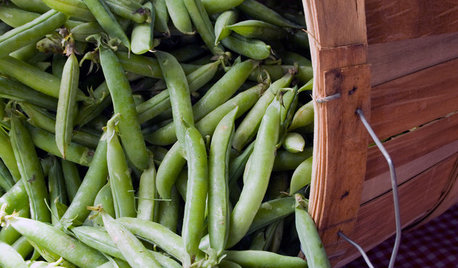
GARDENING GUIDES11 Favorite Edibles for Your Cool-Season Garden
Plant crunchy carrots, crisp radishes, tender peas and other vegetables for fall and spring harvests
Full Story
GARDENING GUIDESLush, Foodie Abundance in a Small Urban Garden
This modest backyard garden provides its owner with fruit and vegetables all year round, thanks to an innovative low-maintenance approach
Full Story
FRONT YARD IDEAS10 Ideas for a Front-Yard Edible Garden Your Neighbors Will Love
Choosing attractive, well-mannered plants and sharing the bounty will go a long way toward keeping the peace
Full Story
GARDENING GUIDES10 Easy Edibles for First-Time Gardeners
Focus on these beginner-friendly vegetables, herbs, beans and salad greens to start a home farm with little fuss
Full Story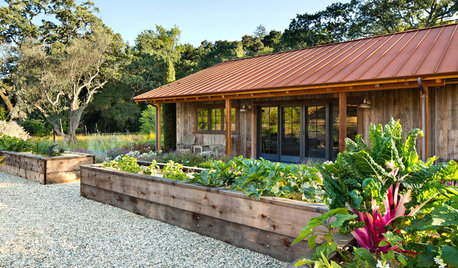
EDIBLE GARDENSHow to Grow Your Own Sweet Summer Crops
This guide will help any gardener get started on growing the freshest warm-season veggies and berries for summer
Full Story
LIFEHouzz Call: Show Us Your Nutty Home Fixes
If you've masterminded a solution — silly or ingenious — to a home issue, we want to know
Full Story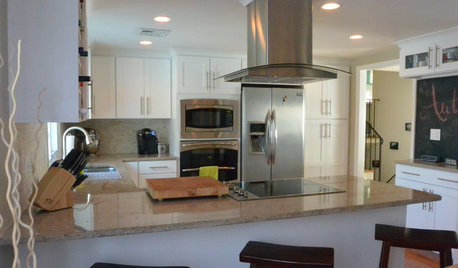
BEFORE AND AFTERSA ‘Brady Bunch’ Kitchen Overhaul for Less Than $25,000
Homeowners say goodbye to avocado-colored appliances and orange-brown cabinets and hello to a bright new way of cooking
Full Story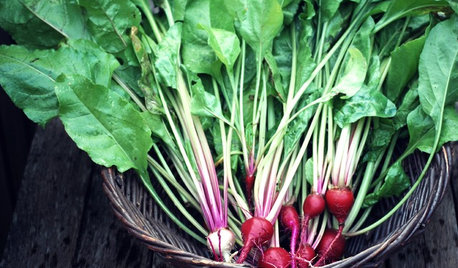
EDIBLE GARDENS8 Last-Minute Additions to a Summer Edible Garden
It’s not too late to get these vegetables and herbs planted for a bountiful harvest this year
Full Story
FUN HOUZZ31 True Tales of Remodeling Gone Wild
Drugs, sex, excess — the home design industry is rife with stories that will blow your mind, or at least leave you scratching your head
Full Story
HOUZZ TOURSMy Houzz: Cozy Country Meets Bohemian Artistic in Australia
Healthy helpings of salvage and rustic art give a pastureland home free-spirited style
Full Story
rachelellen