

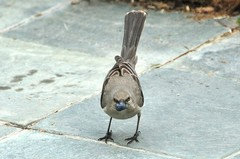
how do I attract mockingbirds and blue jays to my feeders
12 years ago
Featured Answer
Sort by:Oldest
Comments (11)
 12 years ago
- 12 years ago
Related Discussions
How do you attract birds to your garden?
Comments (21)I started putting seed out for the birds in the winter only. But they hung around expectantly in the spring, so I've continued feeding year-round, adding a couple bird baths. The entire area behind our tall, wooden fence has grown tall and wild - it's an unmaintained strip of "public utilities" land, and has become a natural habitat for birds (and other critters). So we have our backyard and gardens and the birds come and go from behind the fenced area. I bought an Audubon bird field book and enjoy looking up new visitors. There's always a new bird to id. Over the years I've added many suet feeders that attract all kinds of woodpeckers, nuthatches, and sapsuckers. All of the other "regulars" enjoy the suet occasionally, too, and all of them eat from the suet feeders year-round, not just in the winter. The biggest attraction, though, comes by way of everyone's favorite food that I now put out regularly on the deck rail - at least all the insect eaters: I buy inexpensive jars of dry-roasted, UNSALTED, peanuts. I run them through my food processor until they are crumbly. I have yet to see a bird that doesn't come and gobble them up, including the woodpeckers and especially the cardinals. We have hundreds of cardinals. The best part is in the spring, when the mother birds cram as much crumbled up peanuts as they can into their beaks and fly off to feed their babies, then come right back for more. This goes on all day and it makes me feel good that so many babies are being well fed. We've had several bluebird and mockingbird families come to our deck, as the young'uns grow and learn to fly. Later in summer, the visits pare way down, so I know they're on their own now as far as feeding themselves with insects or whatever they'd eat naturally. They don't come around much at all during the summer. It's really fun and interesting - I didn't start this expecting to be a "birder", but I guess that's what's happened. During the early winter, we have many birds stop by that aren't usually seen in NC, on their winter migrations to someplace warmer. Sorry for the long post!...See MoreBlue Jay Go Away
Comments (10)Hello All, I am new, but I will do what I usually do and jump in with both feet! I am happy that you are a peaceful man, hope that this helps. I don't know of a blue jay repellant, but I can offer some information for you in addition to that already provided by the others. I also came up with a couple of alternative bird you could dislike instead of the jay. One alternative is the Europian Starling, introduced by man, and began to spread over the whole country. They compete aggressively with native birds for nesting. Birds are in enough trouble from of loss of habitat from mankind. (you can prevent them from taking up residence in your birdhouses by making the entrance 1 1/2 " or less so they can't get inside the joint.) The Cowbird is another alternative to bluejay loathing. It sneaks into other bird's nests and lays it's eggs, making the other bird do all the work. The field guide called it parisitizing and the cowbird affects about 144 species altogether and some are threatened with extinction altogether. The cowbird is only doing what it has always done, only we changed the playing field and the combination is lethal. Back to the BlueJay. The jays fly around in courtship flocks in the spring follow the leader style and give a variety of calls. (acording to Stokes Field Guide these flocks are made up of several males and leading the way one female. When they land the males start bobbing raising their whole body up and down, while giving the "toolool" call. Good News, they are quiet during breeding. They also dive bomb hawks giving jay calls. I don't know if a "scarehawk" would work, it would scare off the other birds too and you don't want that. One more thing you could try, is to lure the jay to another area of your yard. The jay eats acorns, nuts, fruit, and it comes to feeders for sunflower seed and cracked corn. You could put sunflower seed (black oil I think) and cracked corn on a feeder away from your window. That might work. Good luck to you, I hope I wasn't too long winded for you all. Happy Birding! Bitsy In the end, I would say the best thing to do is to get some earplugs and find some common ground. You could even learn to not despise the jay....See MoreIs it a bad idea to attract blue jays?
Comments (42)frmbritt - it's best if you start a new post/thread. You'll get more responses. Feeding birds can become a challenge when certain birds dominate your feeders. I struggle with this too (I get a lot of blackbirds). To prevent doves you need feeders they can't use. I could suggest a tube feeder with perches. The fat doves can't land on the perches. They also have tube feeders and suet feeders with cages around them. This prevents bigger birds from entering and allows smaller birds access (like a bluebird). The not so fun part is buying new/more feeders. I'm going thru this now.... Just when I thought I was good on feeders, now I'm buying caged feeders, and they aren't cheap....See MoreHow can I attract blue birds to my yard in the winter?
Comments (12)kendra2 i was surprised to see that you are in MA and in zone 5 and have year round BB's. I am in SW Vermont in zone 4 (or 4B depending on where you look) and have been seeing BB's later and later each year and wondering what is going on as i thought they went south for winter. It is hard to tell from the posts what is happening because not everyone identifies where they are located and what zone they are in but it appears they will overwinter wherever they can. It seems unimaginable that BB's would overwinter in my region because it can go to -20 here at night and be in single digits for days at a time. Typically there is a stretch of 2 or more weeks in winter that don't exceed the teens. These temps are mitigated only slightly till one travels at least 75 air miles to Albany and the lower Hudson valley. Nevertheless, I have seen BB's later and later in the year on nice days until I eventually stopped seeing them in late November. This year I saw groups of BB's around the nest boxes on nice days several times in November and December. On Christmas eve I saw a pair perched near the house going into the snow to pick up something. This weekend is supposed to be in the high 40's and i kind of expect to see them again. So my question is: are they overwintering here or making "day trips" to their nesting grounds and why on earth would they be doing that in such a difficult environment when they could be in Carolina eating fresh fruit and bugs? Lou...See More- 12 years ago
- 12 years ago
- 11 years ago
- 11 years ago
- 11 years ago
 11 years ago
 11 years ago
 5 years ago
Related Stories
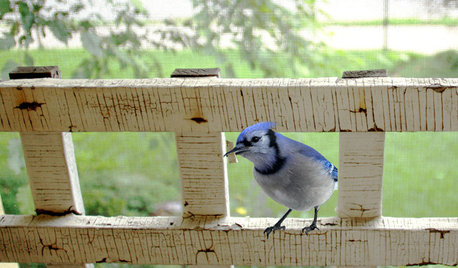
GARDENING FOR BIRDSBackyard Birds: Meet Some Clever and Curious Jays
Boisterous jays provide plenty of backyard bird-watching in winter. Here’s how to identify all the varieties and welcome them into your yard
Full Story
GARDENING GUIDESAttract Hummingbirds and Bees With These Beautiful Summer Flowers
Roll out a welcome mat for pollinators to keep your landscape in balance and thriving
Full Story
GARDENING FOR BUTTERFLIESA Quick-Start Guide to Bird-Watching for Fun and Learning
Set out some seed and grab your field guide. Bird-watching is an easy, entertaining and educational activity for the whole family
Full Story
GARDENING FOR BIRDSBackyard Birds: Marvel at Chickadees This Winter
These North American natives flock to bird feeders and entertain with their complex birdcalls
Full Story
WINTER GARDENING6 Reasons I’m Not Looking Forward to Spring
Not kicking up your heels anticipating rushes of spring color and garden catalogs? You’re not alone
Full Story
GARDENING GUIDES13 North American Backyard Birds to Know
Find out about these enchanting native species and learn how to attract them to your yard
Full Story
GARDENING FOR BUTTERFLIESGarden for Wildlife to Reap Rich Rewards
When you plant with animals and insects in mind, you make gardening easier, the planet healthier and yourself more present
Full Story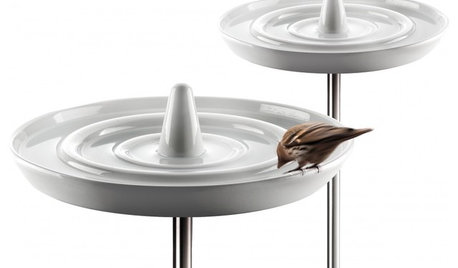
GARDENING AND LANDSCAPINGDesign Details: Outdoor Decor for the Birds
Feeders, Houses and Baths for Our Feathered Friends
Full Story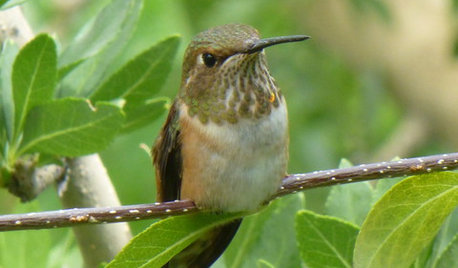
GARDENING GUIDES8 Flowers That Hummingbirds Adore
To draw those mesmerizing little birds to your garden or doorstep, plant these flowers that are attractive in more ways than one
Full Story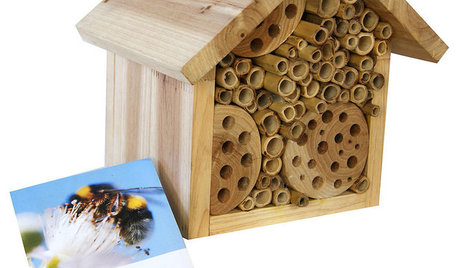
PRODUCT PICKSGuest Picks: 20 Ways to Play Garden Host to Birds and Bees
Perch some of these houses and feeders around your garden, and watch pollinators and feathered friends flock in
Full StorySponsored
More Discussions
Lorna1949