

TONS of birds in my yard... none at my feeder.
12 years ago
Featured Answer
Sort by:Oldest
Comments (11)
 12 years ago
- 12 years ago
Related Discussions
My first visitor to my Bird Feeder
Comments (14)Beautiful bird! I've never had one at my feeder, but I'm not in a great location. Lately, lots of Palm Warblers, Yellow-Rumped Warblers, Blue-Gray Gnatcatchers, a pair of Phoebes, Red-Bellied Woodpecker, Blue Jays, Cardinals and Dove (mostly White-Winged). I still have a resident Red-Shouldered Hawk patrolling the area, but he's now been joined by a Cooper's Hawk. The song birds better keep looking up! Hope your bunting stays with you awhile! wt...See MoreIs my bird feeder safe from bears yet?
Comments (5)The last bear that I saw was wandering down the hill in my back yard around 2 weekends ago. This time, it was with 2 pretty big cubs - maybe born in the spring? - and they cleaned the old bird's nest off of my clothesline. I'd imagine that they are getting ready to hibernate soon, either that or they know it's already bow season and just time to start hiding. I don't know how far north you are but I might wait until Thanksgiving to give the feeder a shot just to be safe....See MoreBirds wasting the milo in my bird feeders
Comments (17)I have found 9-pound bags of a mix of mostly millet with some sunflower seed and, I think, safflower seed, at a dollar-type store here called Big Lots. $7 per bag. Birds gobble it up in winter, but in the winter they'll eat anything; in the spring they are picky, kicking out the milo for the pigeons and doves, so I stop feeding them and concentrate on hummingbirds and, this year, suet for Ladderback and Downy woodpeckers. Also I have nyger thistle feeders (both metal mesh feeder and sock feeder) out for our sweet, tiny lesser goldfinches. To complete my first post in this forum, I spotted and got pictures of a male Northern Cardinal this morning, a rare sighting for our area (Albuquerque). A similar male bird (the same one??) was reported a few miles further north back in February. I also photographed a rare Vermillion Flycatcher in April. Maybe more birds are moving into my state -- and I'll have figure out how to feed them if they visit my apartment complex :)...See MoreRaccoon trashing my bird feeders (pic)
Comments (39)You can squirrel/racoon proof a pole mounted bird feeder. Use plastic plumbing pipe of 4 inches Inside Diameter or larger. Merely lift the feeder off its pole and slip the pipe over the pole and remount the feeder. For a little extra deterrent, add an umbrella shaped guard at the top, one that made for the skinny pole. Carefully determine the length of the pipe and cut. Cut the pipe a bit long for the first try, temporarily assemble, and measure for the final cut. The pipe will be in the way for getting to the normal clamps for mounting the feeder. To fix this, fasten a pipe flange to the bottom of the feeder and screw in a short length of water pipe. Use a size that just slips inside the aluminum feeder pole. A pipe lenght of 5 inches or so will work. To mount the feeder, put the pipe inside the pole and let the feeder rest on top by its own weight. There's no need to clamp it in place unless you wish to hurricane/tornado proof the installation. Mine has stayed in place in wind gusts up to 60 mph. As an alternative, the pipe could be used in place of the aluminum pole that comes with most feeders. However, you'd have to devise a way to mount the feeder and the pipe would require a larger hole in the groud to install. The lazy way is to slip the pipe over the existing feeder pole. I have deterined by experiment that the pipe must be 4 inch or larger. Racoons can get enough grip on a 3.5 inch pipe to climb it. The pipe must be one piece with no joints. A joint ring or seam may aid the animal's grip. The pipe soon pays for itself in reduced loss of bird feed and feeder damage. The racoons will be greatly frustrated for the first few days until they resign themselves to what drop to the ground. They will, however, dig and tear up the ground under the feeder. Evetually, their visits will diminish. If the racoons have a nest nearby, they will continue to attempt to thwart any barrier between them and food or shelter. Make sure they do not have any way to gain access to a roof of your buildings. Both squirrels and racoons will enlarge any small opening they find on a roof structure to gain entry. Trim away any overhanging tree branches; Remove vines....See More- 12 years ago
- 12 years ago
- 12 years ago
- 12 years ago
- 12 years ago
- 12 years ago
 12 years ago
- 12 years ago
Related Stories
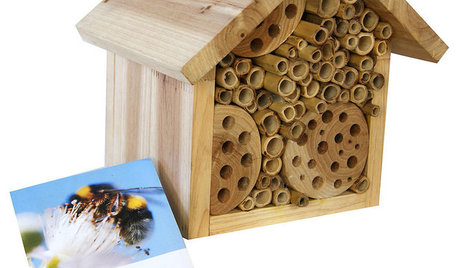
PRODUCT PICKSGuest Picks: 20 Ways to Play Garden Host to Birds and Bees
Perch some of these houses and feeders around your garden, and watch pollinators and feathered friends flock in
Full Story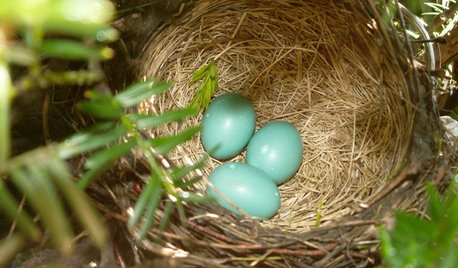
GARDENING FOR BIRDSWhat to Know About Birds Nesting in Your Yard
Learn how to observe, record data and help ornithologists with NestWatch’s citizen science project understand bird trends
Full Story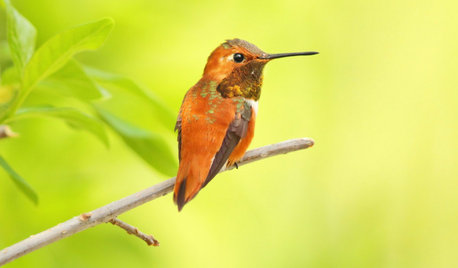
GARDENING GUIDESBackyard Birds: Invite Entertaining Hummingbirds Into Your Garden
Hummingbirds — unique to the Americas — zip through open landscapes seasonally or year-round. Here’s how to attract them
Full Story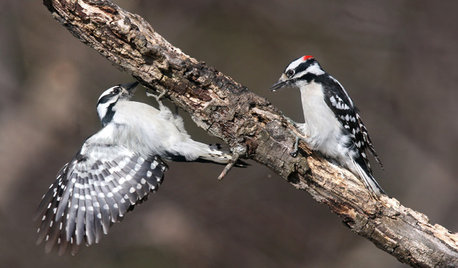
GARDENING FOR BIRDSBackyard Birds: How to Identify Two Common Woodpeckers
Downy and hairy woodpeckers have similar coloration and behavior. But there are two big differences that separate them
Full Story
GARDENING GUIDES13 North American Backyard Birds to Know
Find out about these enchanting native species and learn how to attract them to your yard
Full Story
GARDENING GUIDES8 Native Shrubs for Year-Round Bird Feeding
It’s not just about berries. These plants provide insects for birds and seasonal interest for gardeners
Full StoryGARDENING GUIDESBackyard Birds: How to Care for American Goldfinches
The American goldfinch is a bright-in-the-summer visitor and one of the only vegetarian songbirds. Here's how to give them a healthy habitat
Full Story
GARDENING GUIDESBackyard Birds: Healthy Home Habitats for Northern Flickers
These colorful woodpeckers found across the U.S. and Canada love berries, seeds and ants and often nest in deep burrows in trees
Full Story
EARTH DAYThe Case for Losing the Traditional Lawn
Work less, help the environment and foster connections by just saying no to typical turf
Full Story
GARDENING AND LANDSCAPINGBe a Citizen Scientist to Help Wildlife, Learn and Have Fun Too
Track butterflies, study birds, capture stars ... when you aid monitoring efforts, you’re lending Mother Nature a hand
Full StorySponsored
More Discussions
Pyewacket