

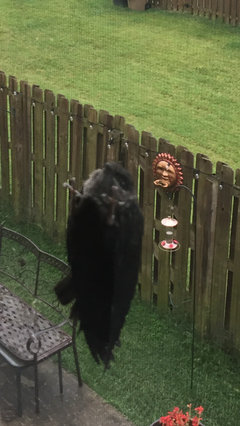
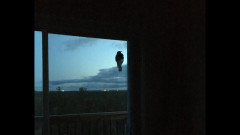
Is it odd for birds to hang onto window screen?
17 years ago
Featured Answer
Sort by:Oldest
Comments (14)
 17 years ago
- 17 years ago
Related Discussions
DIY Grow Bags - Window Screens & Mesh
Comments (24)My local Wal-Mart is selling Shade Cloth, "Coolaroo" Brand, available as either 70% or 90% shade shade factor. Coolaroo claims at least 10 years of UV resistance. I believe that Coolaroo is mostly an Aussie brand (manufactured in China and sold worldwide), so it is usually promoted as protecting people from excessive UV exposure. I really don't understand why Aussies worry about skin cancer; I just thought that Crocadile Dundee would just pull out his 12 inch knife and, all by himself, dig out any funny looking moles saying, "Ah melanoma, no big deal."! The late Crocadile Hunter (may God have mercy on his soul) would just hold out his kid in front of a crock saying "Here crocky, here crocky, bite out that melanoma, that's a good crocky, that' it". And any suburban Aussie, would just rub their pet toxic cane toad above any melanoma. Oops, I digress from the topic of this post. Sorry for the American stereotypes of Aussies. The Coolaroo display box also sells accessories, such as a sewing kit with a roll of black UV-resistant (my assumption) cord plus a special sewing needle. Shade cloth is available in two forms: woven or knitted; the Coolaroo product is knitted and does not fall apart if you cut it. I purchased a roll of green 90% shade. I attempted two methods of fabrication: sewing or silicone glue (caulking). Using the Coolaroo sewing kit with their 90% shade cloth is quite difficult. Both their cord and needle are just too big; in contrast, their needle and cord should be fine for the 70% shade cloth. Sewing the 90% shade with a smaller needle and a more light weight cord, or using an aluminum wire, are alternatives that may work. Using sticks of hot glue melt may work; but the sticks carried by Wal-Mart are not resistant to UV, as far as I know; I have not tried them for that reason. I also fabricated cylinders by pumping 1 or 2 strips of silicone caulking onto a two inch wide strip of the fabric, and pulling the fabric around over the silicone caulking and pushing down to form a 2 inch wide glued seam. There was plastic film underneath the seam to protect the garage floor from silicone. I pushed a seam roller (ie., those used for wall paper) over the glued joint. The pressure from the seam roller causes the caulk to ooze out from both layers of shade cloth- the two strips of plastic film intercept this ooze to form a thin layer of silicone on both outer surfaces of the seam. I soon remove the top plastic film so that air will induce the silicone caulk to cure. Once the silicone caulk cures, I remove the second roll of protective plastic film. Note that silicone does not glue the polyethylene (or polypropylene) shade cloth per se. Rather, as the silicone oozes around the plastic threads, a continuous matrix of cured silicone forms a mechanical layer that physically traps the two layers of shade cloth together. Gee... I'm going to have to photograph this gluing process to explain it. Be careful with the silicone. Some tubes, especially those for bathtubs, contain a biocide to kill mildew; who knows what that will do to plants or those that eat the plants. Silicone, as far as I know, is inherently resistant to mold; but silicone is not inherently toxic to mold, so mold can grow on top of silicone. Nothing prevents mold from growing on top of silicone in a bathtub, unless controlled release biocide is added. Silicone for aquariums would be best, but may be pricey. Since Wal-Mart didn't have the Aquarium Silicone; I bought the "all purpose" tube for $2.65, and a cheap caulking gun. The silicone method is the easiest method of fabricating cylinders of shade cloth from pieces cut from the roll. Now I have to figure out how to fold one end of the cylinder into a bottom of the pot. Either that, I cut out a circle and attach it to one end of the cylinder. Stay tuned for further adventures with shade cloth....See Morebirds flying into windows
Comments (16)I get birds hitting windows, too. And some birds are worse than others - house sparrows, for example, never hit the windows, but I've picked up lots of dead Cedar Waxwings that hit windows on the house and the garage. Big birds, like crows, blue jays, small hawks, rarely hit but those little redpolls hit frequently. I think the best method to curb the window hits while still inviting birds is to have some branches in front of the window for them to swoop in and perch on - like maybe a few tall willow or dogwood branches firmly pushed in the ground below the window, or fashion a light twig trellis. Or grow a small tree in front of the window. One year I had tall castor bean plants growing in front of the window - awesome view of the birds pirched in the plants and no window hits....See MoreBird crashing into windows
Comments (11)The poor bird is trying to protect his territory from himself! He sees his reflection and thinks it's another male and attacks. Get some BonAmi and a big sponge and put a little BonAmi on the sponge and put it on your window....so it doesn't reflect. Looks awful...but it's only for a little bit. After about a week....just rub it off with a dry towel. Oh by the way....do it on the outside of the window, beecause when you wipe it off, it will leave some powder....which does no harm outside....but would be a nuisance inside. Glass Wax would work as well...but I can't get it anymore. Linda C...See MoreHelp with Curtains- odd windows
Comments (16)Yeah that could definitely work. Maybe I could do 2.5" apart and 6 per panel instead of 3" so there would be less overlap on the outer panels. So then the next question becomes, what do I attach the nails to since we don't have window casings to play off of? The outside of the windows have cypress headers and my husband suggested mimicking those on the inside. I thought maybe I could use pallet wood stacked 3 high and distress it to make a faux header. Would that look ridiculous? Kind of like the pic above with the distressed wood and the hooks....See More- 17 years ago
 17 years ago
 9 years ago
- 9 years ago
- 9 years ago
- 9 years ago
- 8 years ago
- 8 years ago
- 7 years agolast modified: 7 years ago
- 7 years ago
- 6 years ago
Related Stories

MODERN ARCHITECTUREKeep Your Big Windows — and Save Birds Too
Reduce bird strikes on windows with everything from architectural solutions to a new high-tech glass from Germany
Full Story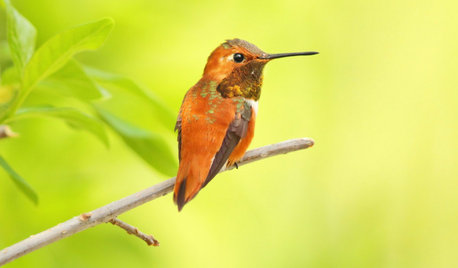
GARDENING GUIDESBackyard Birds: Invite Entertaining Hummingbirds Into Your Garden
Hummingbirds — unique to the Americas — zip through open landscapes seasonally or year-round. Here’s how to attract them
Full Story
WINDOWSTreatments for Large or Oddly Shaped Windows
Get the sun filtering and privacy you need even with those awkward windows, using panels, shutters, shades and more
Full Story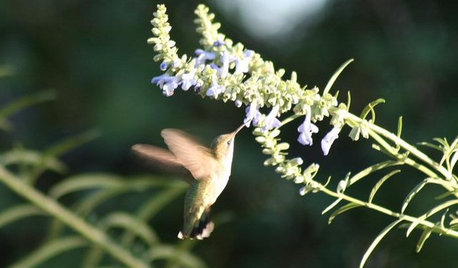
GARDENING FOR BUTTERFLIESA Quick-Start Guide to Bird-Watching for Fun and Learning
Set out some seed and grab your field guide. Bird-watching is an easy, entertaining and educational activity for the whole family
Full Story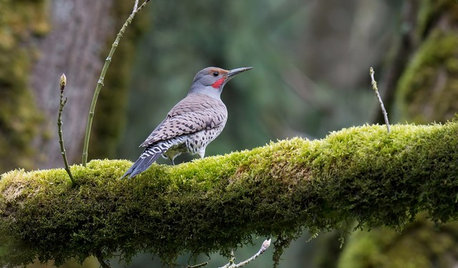
GARDENING GUIDESBackyard Birds: Healthy Home Habitats for Northern Flickers
These colorful woodpeckers found across the U.S. and Canada love berries, seeds and ants and often nest in deep burrows in trees
Full Story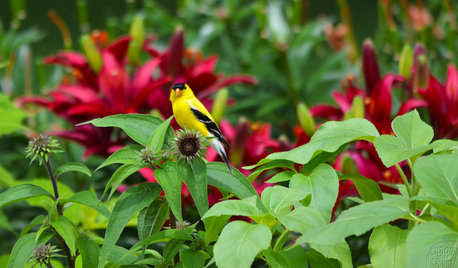
GARDENING GUIDES13 North American Backyard Birds to Know
Find out about these enchanting native species and learn how to attract them to your yard
Full Story
GARDENING FOR BIRDSFeed the Birds: 6 Plants for Abundant Winter Berries
Be kind to your fair feathered friends during lean food times by planting a shrub or tree loaded with nutritious snacks
Full Story
GARDENING FOR BIRDSWild Birds Transform a Woman’s Garden and Life
How Sharon Sorenson created a wildlife haven and became the Bird Lady of Southern Indiana
Full Story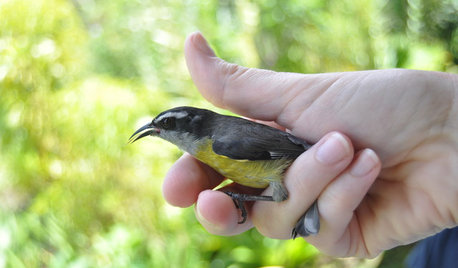
GARDENING FOR BUTTERFLIESBring on the Birds: Natural Habitat Ideas for Gardens of All Sizes
Provide nesting, watering and perching spots inspired by the Costa Rican jungle and watch the birds flock on over
Full Story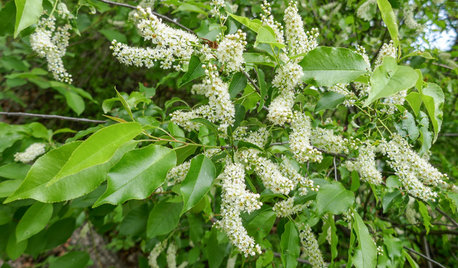
GARDENING GUIDESPlant Black Cherry Trees for the Birds and Bees
Plant Prunus serotina in the Central and Eastern U.S. for spring flowers, interesting bark and beautiful fall color
Full Story
More Discussions
Heidi