

Shade Tolerant Ground Cover to Stop Stormwater Erosion
13 years ago
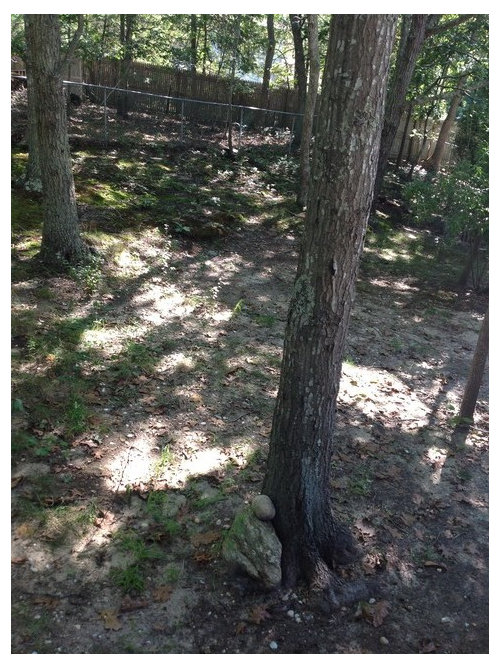
Featured Answer
Sort by:Oldest
Comments (59)
 13 years ago
- 13 years ago
Related Discussions
Suggestions for dappled shade ground cover?
Comments (19)I also have some polka dot plant in some of my containers (I thought it was called fittonia), but have only ever seen the pink variety, not the green and white kind as shown in the last picture. If I take off a flower spike from the container plants, will it seed new plants in my shade area? Also, where do you get the different varieties? Cynthia, Painted-Net Leaf Plant (Fittonia) and Polka Dot Plant (Hypoestes phyllostachya) look similar, but are completely different plants. I don't have any experience with Fittonia. Maybe someone else can guide you as to how they perform in the yard. Polka Dot plant is sold in small pots in Walmart, Lowes and Home Depot. Frequently they will have three different shades in a single pot. Sometimes they will have a single color in a pot, too, in case you don't want to mix, but I don't see that as often as the mixed pots. They usually run $2.50 - $4.00. All of my different colors are from new seedlings that were a result of parent plants cross-pollinating on their own. The plant in the last picture is actually pale pink and dark green. If you look at the leaf near the bottom of the photo and the leaves closer to the ground, you can see the pinkish hue. I think you will like Ornamental Sweet Potato Vine 'Margarita'. Stick as many starts as you can afford from your parent plant. Once they have rooted, the lime green color can be made really vibrant/chartreuse by giving them a periodic watering with Miracle-Gro. I usually use it half-strength on everything - but the ones on my front porch went from blah lime-green to POP lime-green once I hit them with the liquid fertilizer. Have fun and good luck! Carol Here is a link that might be useful: Google Images - Fittonia...See MoreQuick groundcover for large area to stop erosion
Comments (1)Have you considered the chameleon plant, Houttuynia Cordata? I have the same problem as you, only on a smaller scale. I'm in the process of buying and trading for it right now. Read up on it~there's a lot of info out there, a lot negative because it is so invasive. Good luck...See MoreGround Cover for Shade- Your Thoughts?
Comments (5)Hi Mo - wow...I've lived in several places that I had a LOT of shade....thanks goodness those days are over for me, but maybe I can throw out a few ideas. I had great success once with a "creeping thyme". I got it at Lowes in the spring. I planted it randomly in my courtyard area in the front of my house, which faced the west, but because of structure and large bushes was quite shady. Although I had tried to designate traffic areas, someone was always cutting across it and this really held up well. It was a perrinial so it came back every year and took winter quite well also. The added plus, I could step out my front door anytime I needed the herb (great around the fall and winter holidays) to snip off what I needed! The blooms were pretty, it could suffer thru me forgetting to water and was very low growing. I also had good luck with alyssium (sp?). Although you'll have to plant more often...it does look nice. There's also a spreading moss and I can't remember the name, but it resembles rose moss somewhat in the leaves and is a lighter green, only has yellow blooms. Dang it...my kid's dad's grandmother had it growing all over and I can't remember what she called it. I've seen it recently at my local garden center and since I'm stopping by there frequently, I'll see if I can come up with the name. We just always called it "Grandma Frieda's moss". It also came back every growing season. Good luck. If I had it to do over, I'd plant the creeping thyme again without reservation. Paula...See Morewhich ground cover for erosion control
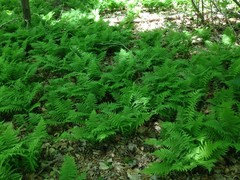
Comments (1)Erosion control is best accomplished by something that has a deep root system and a wide spreading habit, so any herbaceous groundcover (one that dies back in winter) is not going to work well. Ferns are an excellent choice. You could also consider Pachysandra or creeping lirope. Their root system is not all that deep but they spread well to form a mat-like surface that will deflect rainwater. And although I hate to suggest it, in your area, English ivy might even be appropriate....See More- 13 years ago
- 13 years ago
 13 years ago
- 12 years ago
 12 years ago
 12 years ago
- 12 years ago
- 10 years ago
- 10 years agolast modified: 10 years ago
 10 years ago
- 10 years ago
- 10 years ago
- 10 years ago
- 10 years ago
- 10 years ago
- 10 years ago
- 10 years ago
- 10 years ago
- 10 years ago
- 10 years ago
- 10 years ago
- 10 years agolast modified: 10 years ago
- 10 years ago
- 10 years agolast modified: 10 years ago
- 10 years ago
 10 years agolast modified: 10 years ago
- 10 years agolast modified: 10 years ago
- 10 years ago
- 10 years agolast modified: 10 years ago
- 10 years ago
- 10 years ago
- 10 years ago
- 10 years ago
- 10 years ago
- 10 years agolast modified: 10 years ago
- 10 years ago
- 10 years ago
- 10 years ago
- 10 years ago
- 10 years ago
- 10 years ago
- 10 years agolast modified: 10 years ago
- 10 years ago
- 10 years ago
- 10 years agolast modified: 10 years ago
- 10 years agolast modified: 10 years ago
- 10 years agolast modified: 10 years ago

Related Stories

LANDSCAPE DESIGNHow Grading Shapes the Ground and Manages Stormwater
Understand how an overall grading plan provides a framework for a great landscape design
Full Story
LANDSCAPE DESIGNTo Manage Stormwater Sustainably, Understand Your Site
Follow this guide to learn how water moves through your landscape and how best to manage it
Full Story
LAWN ALTERNATIVESTry Adaptable, Shade-Tolerant Sedges for a Grasslike Look
These native ground covers from around the U.S. thrive in shady areas where lawns suffer — and you don’t have to mow them
Full Story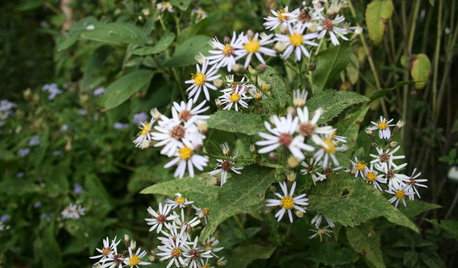
GARDENING GUIDES6 Native Ground Covers for Tough, Dry Spots
Sun beating down on your sandy gravel? Thick shade darkening your clay soil? There’s a ground cover here for you
Full Story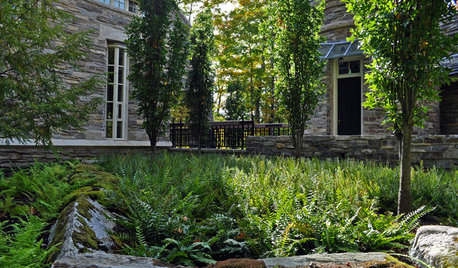
FLOWERS AND PLANTS8 Essential Native Ground Cover Plants for the Southeast
These low-growing ferns, shrubs and palms blanket the ground to help with erosion and soil moisture
Full Story0
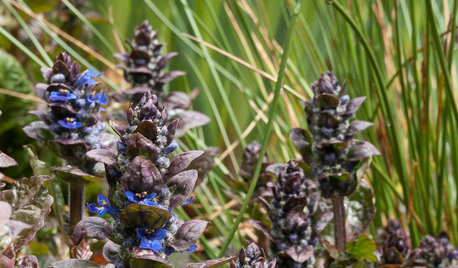
GARDENING GUIDESGreat Design Plant: Bugle Weed, a Quick Ground Cover
It’s highly adaptable, suppresses weeds, reduces erosion and provide weeks of bright flowers. Just watch for invasiveness
Full Story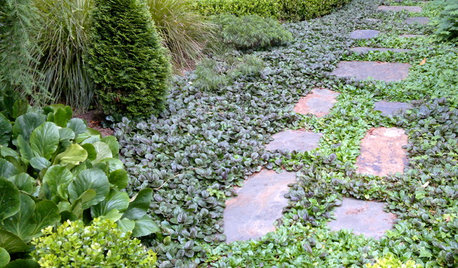
GROUND COVERSGround Force: 10 Top Ground Covers for Your Garden
Protect your soil from weeds and drought this summer with a living mulch of ground covers
Full Story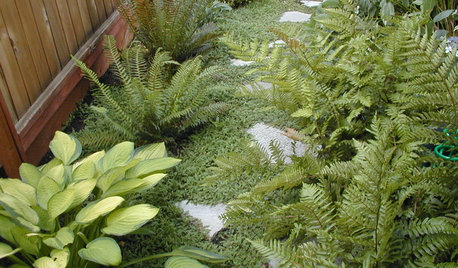
LANDSCAPE DESIGN6 Great Ways With Garden Ground Covers
Use them as problem solvers, weed killers, color and texture providers ... ground cover plants have both practical and visual appeal
Full Story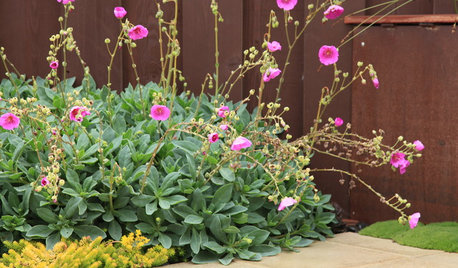
GROUND COVERS10 Succulents That Make Pretty, Easy-Care Ground Covers
These low-growing succulents create interest in the drought-tolerant garden
Full Story
LANDSCAPE DESIGNLandscaping Tricks to Manage Stormwater Runoff
Help rainwater absorb slowly back into the earth with paving grids, gravel beds and other porous systems
Full Story
More Discussions
ZachS. z5 Platteville, Colorado