

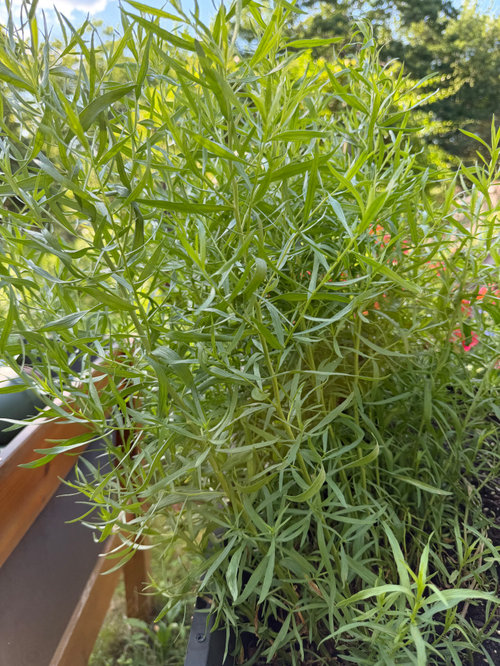
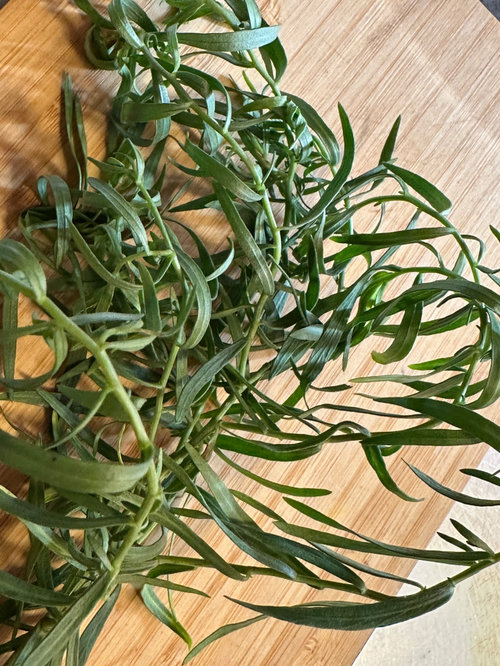
In Tarragonia — French tarragon, so much of it
last month
Featured Answer
Sort by:Oldest
Comments (41)
Related Discussions
french tarragon
Comments (2)This will give you the information you need: French Tarragon rarely sets seed, especially in cool climates (and much of the seed is sterile) and is usually propagated by stem cuttings, taken in early spring. They are slow to ÂstrikeÂ. It can also be propagated by dividing the whole plant in early spring before new shoots appear. This is best done every 3 years in cooler areas, and every 2 years in warmer regions. If seed is available, it should be sown at a maximum temperature of 5C. Germination is irregular, often occurring over several months. Tarragon requires a cold period each year, so when dividing the root crowns, refrigerate them for about 2-3 months or freeze them for about a week or longer before planting. It requires a sunny position (partial shade in hot climates) in light, well-drained soil, pH 6.7. Water well in dry weather, though it is fairly drought-resistant, and fertilise often. Over-watering will cause root rot. Usually becomes dormant during winter, and may be difficult to grow in warmer climates. In cold climates, cut the plants to the ground after frost has killed the top growth and mulch well with straw. Foliage dies back in winter. Roots should be lifted and divided every 2 years. The plant is susceptible to mildew and root rot. Flowers, when they appear at all, will rarely open fully, and should be pinched off as the buds appear to encourage leaf production. Plants lose their flavour after about 4 years....See MoreUPS Murderized my tarragon, sigh.
Comments (3)Same here. My two little plants were ordered from Gurneys and when they arrived all the soil was in the box, loose, and the two plants were half dead. They too were sitting on my back steps in the cold weather all day. I repotted them and hope they survive. I couldn't smell the tarragon either, so I am not sure if its really the French type. In a few weeks, if they don't have a right smell, then they are getting tossed into the compost and a call to Gurneys will follow.. They only grow from heathly roots and, if those die out, there will be no new shoots....See MoreHarvesting Parsley and French Tarragon
Comments (10)When I harvest french tarragon I only like to harvest young shoots that are no longer than 6" or so because I think they have a better flavor. I only use tarragon for homemade salad dressings so I don't use a lot at one time and the plant I harvest from is rather large. I'll cut back a third of the plant to about 4" from the ground throughout the year to encourage new shoots. For parsley I dry alot through out the season so I will cut the stems from the outside of the plant (at the base of the plant) leaving the center young leaves for fresh use and regrowth....See MoreFrench Tarragon and its total Lifespan
Comments (11)The location where the old tarragon that DID survive was next to my thyme plants, which were started from seeds I bought last year, and its now flowering. My original tarragon was not the real thing as it had no real taste or smell. It did send up new shoots this spring, but was all pulled due to it being a fake. Snow here can be 2-3 feet in bad winter. Very close to the glass greenhouse the snow will melt first because the glass walls of the greenhouse because of the sun and the heating up inside. As mentioned, I tried both indoor and outdoor tarragon to see if it would survive a winter. The only one that did survive was the single pot I had on my kitchen window sill over the first winter months, and was quite a surprise to me, as it had looked like it was completely dead. That second fall, the one still in the pot never came back the following spring. Voles here destroyed every single crocus and tulip bulb, as well as several iris roots. I used to have about 500 bulbs that showed up in spring. Now, I only have a few paperwhites, and a couple of other bulbs. Because I grow some saffron crocus, I decided to put down a metal acreen as a shield below the planted bulbs, as well as a gritty substance that is supposed to irritate the diggers....See More- last month
- last month
- last monthlast modified: last month
- last monthlast modified: last month
- last monthlast modified: last month
- last monthlast modified: last month
- last month
- last month
- last month
- last month
- last monthlast modified: last month












Related Stories
EDIBLE GARDENSHerb Garden Essentials: Grow Your Own Tarragon
Cooks swear by the spicy anise flavor of this seasoning, which is a favorite in French cuisine
Full Story
ECLECTIC HOMESMy Houzz: Lush and Lively in the French Quarter of New Orleans
See how a couple embrace the period charm of their 1830s apartment
Full Story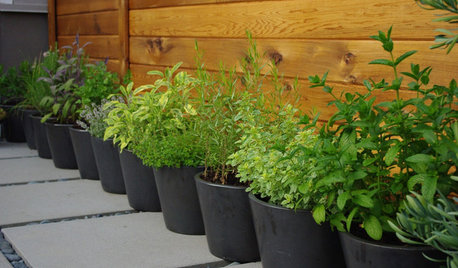
GARDENING GUIDES4 Herb Container Gardens for Fabulous Global Cuisine
Tingle your taste buds with the unbeatable taste of fresh herbs in your Italian, Asian, Mexican or French fare
Full Story
KITCHEN DESIGNWorld of Design: Global Foodies and Their Kitchens
Join us as 11 food lovers tell us about their kitchens and give us a taste of their culinary heritage
Full Story
LANDSCAPE DESIGNYard of the Week: Outdoor Rooms in a Beautiful Low-Water Garden
A landscape designer transforms a home’s expansive lawn into a natural, plant-filled retreat for outdoor living
Full Story
EDIBLE GARDENS12 Essential Herbs for Your Edible Garden
Make home cooking and drinks even better with herbs plucked from your own backyard or windowsill pot
Full Story
KITCHEN DESIGN5 Home Cooks Share Their Favorite Family Recipes
Peek inside the kitchens of these Houzz users and learn how to cook their time-tested, passed-down dishes
Full Story
LANDSCAPE DESIGNHow to Declutter Your Garden
Put the KonMari Method to work outdoors and carve out more time to enjoy your yard
Full Story
COOL-SEASON CROPSCool-Season Vegetables: How to Grow Salad Greens
From arugula to radicchio, greens have taken a top spot on the table and in fall and winter gardens. See how to start growing them now
Full Story
GARDENING GUIDESExtreme Herb Gardening for Extreme Flavor
Fresh herbs grown at home are the secret to sumptuous meals for you and your guests
Full Story



chloebud