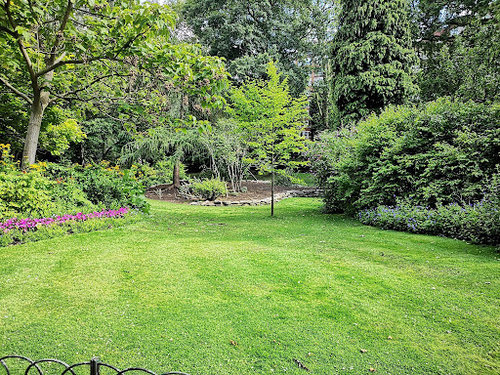
Photo by Pankaj Shah on Unsplash
For many golf enthusiasts, the desire to practice daily is often thwarted by the realities of a busy schedule, long commutes to the driving range, or unpredictable weather. Fortunately, the modern boom in home training equipment has made it entirely possible to develop a highly effective practice space right in your backyard—even if your outdoor area is modest in size. A small yard shouldn’t deter you from chasing a lower handicap. With the right strategy, proper equipment selection, and smart safety precautions, a compact patio or a small patch of grass can be transformed into a personal training oasis. This comprehensive guide will explore how to maximize every square foot of your small yard, allowing you to work on everything from your explosive driver swings to your delicate putting stroke without ever leaving the comfort of your home.
Assessing Your Space and Safety First
To build a successful home practice area, your first step must be a meticulous assessment of the available space. Grab a tape measure and determine the exact dimensions of your yard, paying close attention to vertical clearance. A standard golf swing requires a surprising amount of overhead and side-to-side space; a clearance of at least ten feet in height, width, and depth is generally considered the bare minimum to swing a club comfortably without risking damage to property or your equipment. Be mindful of nearby obstacles such as overhanging tree branches, low-hanging gutters, patio furniture, and windows.
Safety is paramount when hitting golf balls in a confined area. Even a minor mishit can send a golf ball flying at dangerous speeds toward a neighbor’s window or fence. Therefore, positioning your setup is a critical decision. Always face your hitting direction away from high-risk zones, using solid barriers like brick walls or dense hedges as secondary backstops if possible. Additionally, consider the sun’s path throughout the day. Setting up your training station so that you look directly into the morning or evening sun can severely impede your visibility and focus.
Selecting the Perfect Hitting Net and Mat
The foundation of any backyard golf setup consists of two essential items: a high-quality hitting net and a durable hitting mat. Because you are working with limited real estate, a pop-up or baffle-style net that can be easily assembled and disassembled is often the best choice. Look for nets constructed with heavy-duty, knotless netting that can absorb the impact of high-velocity ball speeds. Side barrier extensions are also highly recommended for small yards, as they catch those occasional shanked shots that would otherwise fly wide of the main target.
Equally important is the hitting mat, which protects your lawn from being destroyed by repetitive divots and safeguards your joints from high-impact shock. When practicing full swings on a high-quality hitting mat, establishing a firm base is essential. While you might wear your favorite spiked golf shoes on the course for maximum traction, a durable backyard mat should allow you to practice with the same footwear to replicate real-game stability.
Maximizing the Long Game in Limited Spaces
It is a common misconception that you need an expansive driving range to work on your long game. With a robust net in place, you can confidently practice your full, aggressive swings right at home. The key to making small-yard long-game practice effective is focusing purely on the mechanics of your swing path, contact quality, and tempo rather than tracking the ball’s actual flight path.
Even in a compact yard, a sturdy hitting net allows you to unleash full swings without fear of breaking windows. This is the perfect environment to fine-tune your launch angles and ball speed, especially if you are testing out the best driver for distance to add yards to your tee shots. By removing the visual distraction of where the ball lands, you can zone in on finding the sweet spot of the clubface consistently.
Developing a Precise Short Game Area
While full swings are exhilarating, the short game is where scores are truly lowered. A small backyard is actually the ideal canvas for a dedicated short-game laboratory. If you have a small patch of natural grass, you can designate specific targets at various short distances to practice delicate chips and pitches. If your yard is entirely paved, a portable chipping net with multiple target pockets can provide hours of engaging, high-repetition practice.
No home golf setup is truly complete without a dedicated area to work on your flatstick performance. Refining your stroke on a premium synthetic putting green can help you master the subtle nuances of alignment and tempo, allowing you to get the absolute most out of the best putters of all time when it matters most on Sunday. Having a true-rolling surface is vital for building muscle memory and confidence.
Integrating Technology for Actionable Feedback
One of the challenges of practicing into a net is the lack of visual feedback regarding ball flight. To bridge this gap, integrating modern golf technology can transform your simple small-yard setup into a high-tech data center. Portable launch monitors have become incredibly affordable and compact. These devices use radar or camera tracking to measure critical metrics such as ball speed, clubhead speed, smash factor, launch angle, and spin rate.
By placing a compact launch monitor just a few feet behind your hitting area, you receive instant, actionable data after every single swing. This data prevents you from reinforcing bad habits, as it clearly indicates whether your shot would have been a beautiful draw or a destructive slice. Many of these devices connect seamlessly to smartphone apps, keeping your backyard practice sessions highly productive.
Maintenance and Longevity of Your Setup
To ensure your small-yard golf setup remains a valuable asset for years to come, regular maintenance and weatherproofing are essential. Outdoor elements can quickly degrade even the highest-quality golf gear. UV rays from the sun can weaken nylon netting over time, making it susceptible to tearing, while heavy rain can waterlog hitting mats and cause mold or mildew growth.
If your setup is exposed to the elements, invest in weather-resistant covers or choose equipment designed for quick teardown and storage. Storing your net and mat in a garage or shed when not in use will significantly extend their lifespan. Regularly inspect your hitting net for any signs of fraying or small holes to prevent stray balls from escaping.
Conclusion
Creating a small yard golf setup is an empowering way to take control of your development as a golfer. By carefully assessing your space, prioritizing safety, selecting high-quality mats and nets, and incorporating modern feedback tools, you can build a practice space that rivals the utility of any commercial driving range. You do not need acres of land to build a better golf swing; consistency, dedication, and a well-designed home setup are all it takes to see your scores drop and your enjoyment of the game soar.
About the Author
Jordan Fuller is a seasoned golf mentor and gear expert who provides practical training tips and deep equipment insights to help golfers master their game.








Related Discussions
HELP newbie w/small yard
Q
How to create a style appropriate to a 1990s builder's house
Q
Small home - is your yard small ?
Q
High raised beds to create shade and not give up growing space
Q