Am I living on the edge?
12 days ago
Featured Answer
Sort by:Oldest
Comments (77)
Related Discussions
My sprinkler system quit, I am broke, and I live in the desert
Comments (2)Kentucky Blue Grass (KBG) is probably the dominant grass used in lawns in the Salt Lake Valley, so that is probably the grass you have now. It can deal with drought by going dormant, but as hot and dry as it has been lately, if it didn't get any water for three weeks, it may have died (part of my lawn died when a sprinkler head stopped rotating right after I did my monthly inspection). You could try to water it and see if it comes back, but you might be better off reseeding. If you want a lawn that will stay green without any additional water, you have pretty limited choices. Buffalo grass or a mixture of buffalo grass and blue grama will stay green without additional water (you may need to water once or twice in a year like this year). They're a little different color than what you're used to seeing. Buffalo grass is sort of gray green and grama is sort of blue green. The grama is a bunch grass and the buffalo grass spreads (and fills in) by stolons (above ground runners like a strawberry plant has). If you want a really soft lawn, you'll want to get a buffalo grass like legacy, that you can plant from plugs (no seeds that way--buffalo grass has prickly seeds). Buffalo grass isn't cheap, though, especially not from sod. Blue grama is pretty easy to get started, but it's tough to spread the seeds (they're like dust and often have a lot of chaff with them). In Orem, a buffalo grass lawn will probably not start to turn green until sometime in May and will probably start to turn brown in September. You might get a week or two more of green on either end than I would, so maybe early May to late September/early October. But it will definitely turn brown earlier in the fall than your current lawn and will definitely stay brown later in the spring. The grama will be green a little earlier in the spring and a little later in the fall than the buffalo grass. Two cool season grasses that will stay green with no water (may need a little in a year like this) are western wheatgrass and sheep fescue. I think Arizona fescue and Idaho Fescue will also stay green. western wheatgrass can be difficult to get started initially, but it spreads aggressively once it gets started. The fescues are all bunch grasses. Streambank wheatgrass and crested wheatgrass will stay alive with no additional water, but they'll go dormant once the rains stop and will green up again in the fall. Streambank wheatgrass spreads via rhizomes like western wheatgrass. Older varieties of Crested wheatgrass are bunch grasses but newer varieties like Roadcrest and Ephraim are mildly rhizomatous. Crested wheatgrass was introduced from Russia, and the others are all native. For buffalo grass and grama, you're probably too late to seed. Those should be seeded in late spring or early summer. I seeded a little grama a couple of weeks ago, but I was already cutting it close. The other grasses can be planted in the fall. If you haven't planted by September 15, I think I'd wait until early winter and dormant seed (seed when it's too cold for them to sprout and they'll germinate in the spring as soon as conditions are right). You'll have best results with any of these if you kill your existing lawn first. For the buffalo grass and grama, it's probably necessary. I'm assuming the water in the spot that died from too much water is from your watering, right? The reason I ask is that none of these grasses deal very well with too much water. They can generally deal with spring flooding, but if you water them like a KBG lawn, they'll die. The wheatgrasses and sheep fescue are less expensive than buffalo grass, but they're still a little pricy (although maybe not compared with the elite KBG seeds many people here buy). I can provide links to some places that sell the various seeds if you're interested....See MoreI live in Utah. Am I screwed?
Comments (15)Soil that holds moisture needs less water than soil where the water runs right through. Utah: sandy, right? Add a lot of organic matter to your soil, esp the top six inches. Avoid turning the soil as much as you can, as turning exposes the soil microbes to sun and wind, which kills them (waste), the nitrogen in the soil outgasses into the atmosphere (waste), and it makes the soil dry out (waste). Mulch, mulch, mulch! It breaks down and feeds the soil, which feeds the plants, prevents evaporation, and helps prevent weed seeds from sprouting. Don't space your plants too far apart. Block planting is better than row planting because it is a more effective use of space and resources (like water). In the desert, esp, this is counterproductive: the plants tend to get more light than they really need, and they expire more moisture into the air (waste). Unless there's really a good reason to plant them apart (like running squash), group your plantings with similar requirements and moisture needs. Some plants like a little shade, esp midday. Plants like these could be planted in the partial shade of larger plants. This can reduce water demand. Read Brad Lancaster's books Rainwater Harvesting for Drylands and Beyond (3 vols., only the first 2 are available, #3 probably next year). Holding water in containers isn't the only way to collect and store water. If you do it right, you can store it in the soil. One suggestion from his book: when planting a young tree or shrub, dig the hole twice as wide as you think you need it; then plant the tree in one half, and fill the other half with old phonebooks or a good stack of junk mail and soak it good, then finish planting. The mass of paper will retain water for a long time, like 3 months or more, and the young tree roots can gather moisture from the paper. Many, many drawings and ideas in his books - WONDERFUL! Get hold of Art Ludwig's books on Greywater - he's the king of greywater. If you only use 50 gallons of city (or well) water per day, that's over 18,000 gallons per year, so don't waste it. Pick your trees carefully, and try to avoid water hogs. Above-ground swimming pools can hold a lot of water. One that has a 12' diameter and is 4' deep will hold almost 3,000 gallons of water. If you get any rain in the warmer months, that will help to refill it as you use it. Think, plan and don't waste what you get. Sue...See Morehow should I decorate my new live edge wood console table
Comments (1)Something simple and elegant that won't detract from the beauty of the table....See MoreHi! I am looking for furniture ideas small living space
Comments (1)Thank you Lily ! I’ll check it out....See More- 11 days agolast modified: 11 days agoroxsolid thanked carolb_w_fl_coastal_9/10
- 11 days agolast modified: 11 days ago
- 11 days ago
- 10 days ago
- 10 days agolast modified: 10 days ago
- 10 days ago
Related Stories

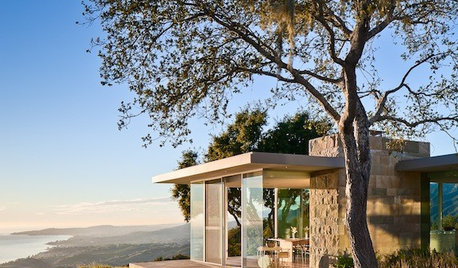
LANDSCAPE DESIGNLiving on the Edge of the Wild
When Mother Nature is your neighbor, the possibilities — and responsibilities — can be that much greater
Full Story
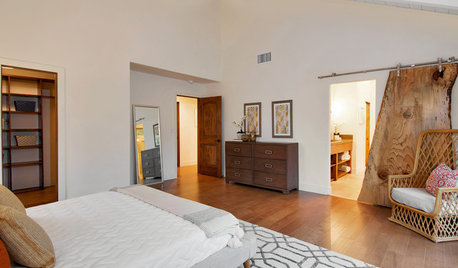
DOORSMini Project: How to Get a Live-Edge Barn Door
Introduce space-saving natural beauty with these tips on selecting and installing a live-edge slab door
Full Story
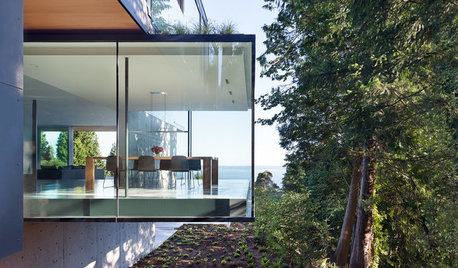
ARCHITECTURELive on the Edge With Cantilevered Design
Whether you want unobstructed views or just a little more legroom at breakfast, cantilevered design extends your options
Full Story
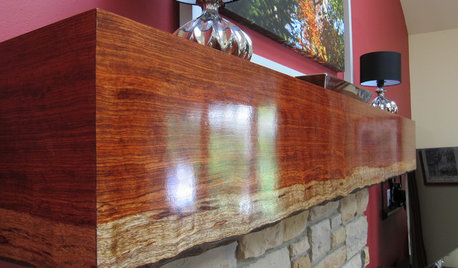
DECORATING GUIDESMantel Makeover: From Builder's Grade to Live-Edge Wood
See how an all-wrong mantel became a gorgeous fireplace focal point at the hands of an interior designer and her carpenter
Full Story
ARCHITECTURECliffside Homes Encourage Living on the Edge
Thrills are everyday affairs even in structurally sound homes on slopes and cliffs, thanks to jaw-dropping views and unique configurations
Full Story

FURNITURELive-Edge Wood: A Natural Bridge to a Cool Blended Style
See how designers use part of a tree's organic form to add a one-of-a-kind look to any living room
Full Story
REMODELING GUIDESLoving Wood's Live Edge
8 ways to use more of a tree's natural beauty in design
Full Story
LIVING ROOMSIdeabook 911: How Can I Make My Living Room Seem Bigger?
10 Ways to Make a Small Space Live Large
Full Story


LoneJack Zn 6a, KC