

Part-skim vs whole milk ricotta
10 months ago
Featured Answer
Sort by:Oldest
Comments (41)
 10 months ago
 10 months ago
Related Discussions
Swiss Chard + Ricotta = Delicious
Comments (7)Apologies for not getting back much sooner and thanking you all for your friendly and encouraging comments. Pseudacris, thanks for the link and suggestion that we can make delicious ricotta ourselves. Never thought of it. Peggy, thanks for your great ideas for culinary uses of chard. And Jill, thanks so much for posting the Ricotta recipe. I just have to try it out. Sorry about the problems that some of you have had with caterpillars, and other critters, eating your chard. Has any of you tried floating row covers? I was thinking of using them next year on other greens, which were chewed pretty well by caterpillars but don't know how complicated they are to set up and maintain. Two plants of the chard varieties that I grew this year, "Lucullus" and "Large Ribbed" (Sandhill), produced fantastic chard: Large white ribs with huge, thick savoyed leaves with a taste that is much superior to the other chard plants. Unfortunately, I've lost track of which variety turned out to be the superior one. Anyway, it'll be easy enough to grow out two chard varieties next year and find out. One lesson learned. Chard needs space, at least one foot between plants, maybe two. Chard tolerates part (dappled) shade very well (in my climate). In fact their leaves go limp during direct afternoon sun. Chard is very ornamental. My two great-looking chards can be seen from the kitchen window (@ the sink), and looking at them, while working, is a pleasure. I put down used coffee grounds on the soil around the chards (for the extra nitrogen) plus fertilized lightly once with organic Espoma....See MoreMilk jugs vs salad containers
Comments (17)No one could have made a bigger mess cutting the milk jugs than I did. The reconnect with clear tape was also a mess. Manual dexterity is not one of my strengths. I'm going to try again with the electric scissors they have at Walmart or Sears. I realize this is truly lame when so many people use the milk jugs without a problem but "I'yam what I'yam" as Popeye said...LOL. I actually had better germination in deep lasagna pans with plastic covers. Granted they were mostly hardy and half hardy annuals so maybe that had something to do with it. I used tall & medium soda/water bottles for 1-3 seeds of different varieties trying to give them more depth for root growth. That worked well for the kindergarten flowers like Zinnia, Tithonia, etc. Used 20 oz. clear plastic cups when I ran out of bottles but I didn't have time to get them all planted out quickly enough and the roots were straining for more depth. Terrene, 2 observations from your photos. It was a real pain in the whatsis to get those little Sweet Alyssum separated and planted. I'm thinking of direct sowing them in early spring since I'm covering the beds with "stuff" so reseeding will be suppressed. Guess I should break down and do the hunk of seedling deal with them and snip off all but the strongest...if I can make that calculated guess...LOL. Mine got very leggy due to late planting out but lasted until September...can't beat that for such easy grower. They're a great filler and edger and I'm adding the Golf and Wonderland series this time. The other thing I recognized were what looks like 2 Cranberry Glass goblets on your shelf with the Monarch cat containers! My mother had a few of those. Nice memories. :)...See Moredairy sheep vs milk goat
Comments (29)Ooooh Cheese - my favorite topic! I have made lots of different cheeses over the years, but concentrate mostly during the summer time on soft cheeses, such as chevre (a french style cream cheese), feta, crottins, and camemberts. When I first got into cheesemaking, I stuck with soft cheeses, figuring it would be too much trouble to make the hard textured cheeses, but, I changed my mind after a couple of years. I milk my goats "through", meaning I don't breed them every year because they are big milkers (l gallon or more a day), and I milk them right through their breeding season and have milk year round. I milked one of my Oberhasli's continuously for 4 years. Milking them through is a nice contiunous supply of milk for me especially in the winter. That is when I make hard texture cheeses, such as parmesan and romano. It takes 4 gallons of milk to make one wheel of the italian cheeses. It also takes 4-6 months for them to age properly. So, I make these cheeses in the winter and age them in my basement, and then they are available in the summer. It is very satisfying to have shelves of your own cheese aging in the basement or wherever. The best source of cheesemaking information is The Cheesemaker's Manual by Margaret P. Morris. She is from Canada, and I also buy all of my cheesemaking cultures from her as well. She is a VERY nice person, Very knowledgeable, and a great resource for reasonably priced cheesemaking supplies. She has a website at: glengarrycheesemaking.on.ca. I own just about every cheesemaking manual published and hers is definitely the best. I teach cheesemaking workshops occasionally, and I tell any new cheesemakers to pick one cheese you want to make and perfect that technique before you move on to another one. It is easy to jump in and want to make all kinds of cheeses at once, but it can get complicated. I tell new people that cheesemaking isn't really hard, it is somewhat time consuming in that you have to pay attention to temperatures and cultures and try to keep ahead of mold growth if you are aging cheeses. I have also been selling my cheeses at the local farmer's market in the summer for the past 8 years. It has been a nice source of revenue for me as it helps pay the grain bill. I have also educated the northern portion of our city on the finer aspects of good goat cheese. Most people turn up their noses and tell me some horrible story about goat cheese they had that was awful. I usually tell them that most imported goat cheeses are fairly strong in taste and smell - but - fresh cheese is absolutely wonderful. I always have samples out for people to try and they love it (most of them anyway). I started out making cheese using goat's milk and vinegar to curdle the milk. It is an easy recipe, but after a while I couldn't stand the flavor. Making chevre is SOOOOOo easy and it is sooooo good and versatile that I was sold....See MoreLasagna - do you prefer cottage cheese or ricotta?
Comments (49)Yes, the whey is clear and a bit yellow. When you heat it you start to see bits of milk protein forming in the whey, that's the stuff that becomes ricotta. Mike, I salt when I pull the cheese and I make it when I want it, I don't try to store it. It gets a texture I don't care for when I try to store it in brine. I heat it on the stovetop, although I've been known to reheat in the microwave when it gets too cold to pull well. I'm still just starting on this, I took a cheesemaking class a few months ago. I use my old Harvest Maid dehydrator to make yogurt, but I don't have very much whey when I make yogurt, so I wouldn't get much ricotta, I don't think. Then again, I've never tried it so maybe I would... Annie...See More 10 months ago
- 10 months ago
 10 months ago
 10 months ago
 10 months agolast modified: 10 months ago
- 10 months ago
- 10 months ago
- 10 months agolast modified: 10 months ago
- 10 months ago
- 10 months agolast modified: 10 months ago
- 10 months agolast modified: 10 months ago
- 10 months ago
- 10 months agolast modified: 10 months ago
- 10 months ago
- 10 months agolast modified: 10 months ago
- 10 months agolast modified: 10 months ago
- 10 months agolast modified: 10 months ago
- 10 months ago
- 10 months ago
- 10 months agolast modified: 10 months ago
- 10 months ago
 10 months ago
- 10 months agolast modified: 10 months ago
- 10 months ago
- 10 months agolast modified: 10 months ago
- 10 months ago
- 10 months agolast modified: 10 months ago
- 10 months agolast modified: 10 months ago
- 10 months agolast modified: 10 months ago
 PRO10 months ago
- 10 months ago
- 10 months ago
- 10 months ago
 10 months agolast modified: 10 months ago
- 10 months ago
- 10 months ago
- 10 months agolast modified: 10 months ago
- 10 months ago

Related Stories

KITCHEN DESIGNA Designer Shares Her Kitchen-Remodel Wish List
As part of a whole-house renovation, she’s making her dream list of kitchen amenities. What are your must-have features?
Full Story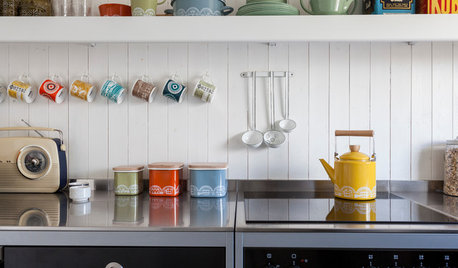
LIFEHow Do You Make Your Tea and Coffee in the Morning?
A morning cup is a must for many, and preparation comes in many guises. We look at coffee and tea habits across the Houzz community
Full Story
FARM YOUR YARDHello, Honey: Beekeeping Anywhere for Fun, Food and Good Deeds
We need pollinators, and they increasingly need us too. Here, why and how to be a bee friend
Full Story
FLOORSNew Groove: Vinyl Floors Are Back!
First vinyl records made a comeback, now floors. See how, where and when to use this durable, easy-to-clean material
Full Story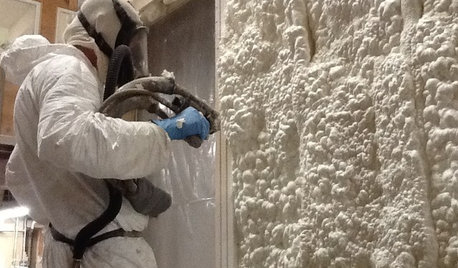
MATERIALSInsulation Basics: What to Know About Spray Foam
Learn what exactly spray foam is, the pros and cons of using it and why you shouldn’t mess around with installation
Full Story

WORKING WITH PROS10 Things Decorators Want You to Know About What They Do
They do more than pick pretty colors. Here's what decorators can do for you — and how you can help them
Full Story
FUN HOUZZDon’t Be a Stickybeak — and Other Home-Related Lingo From Abroad
Need to hire a contractor or buy a certain piece of furniture in the U.K. or Australia? Keep this guide at hand
Full Story
MOST POPULARModern Party Etiquette for Hosts and Guests
Learn the mannerly way to handle invitations, gifts and even mishaps for a party that's memorable for the right reasons
Full Story
LIFEHouzz Call: Show Us Your Nutty Home Fixes
If you've masterminded a solution — silly or ingenious — to a home issue, we want to know
Full Story

faftris