

A needle in a haystack (found friend)
last year
Featured Answer
Sort by:Oldest
Comments (22)
Related Discussions
Needle Felting - Santa
Comments (21)Oh, he is ADORABLE! So cute! I think you did a wonderful job, especially if it's the first time! Just last week I caught Martha Stewart making needle felted acorns. I think it's at her website if you want more ideas! Oh, I found this one, too. They're Chicks! Good for Easter/Spring crafts! http://www.marthastewart.com/portal/site/mslo/menuitem.3a0656639de62ad593598e10d373a0a0/?vgnextoid=bf2d5eab14091110VgnVCM1000003d370a0aRCRD&vgnextfmt=default I know some ladies on the Prim boards that I frequent do needle felting. There might be more stuff there if you're interested! Here is a link that might be useful: Needle Felted acorn crafts...See MoreOn the needle in January
Comments (5)A red dragon afghan. My granddaughter loves dragons, so I found a clip art graphic through Google images. Then I went to the website (that was recommended here)that takes your graphic and puts it on a grid, for needlework. This one is 120x150. That is tough to read on one sheet of paper, so I blew it up in sections, 200% on a printer. IT WORKS! Babka Here is a link that might be useful: Chart your Graphics Here...See MoreReuniting with an old friend
Comments (1)Your question at the end was exactly what I was thinking, was it the needle all along, lol. Glad you got it going. I love sewing machines. I have an old White treadle and a mid century looking Elna portable....See MoreRhizosphaera needle cast and Picea Pungens grafted cultivars
Comments (10)I think it has much to with how individual plants are used. Data regarding disease resistance for cultivars of P. Pungens is sparce at best. It makes logical sense that individual cultivars would have resistance to greater or lesser degrees, i am just unaware of any information on the specific subject, reliable or not. The species tends to be used in mass groups to create win breaks or privacy screen, creating the ideal conditions to get the disease, harbor it, and spread it. When i lived in MN, and later in IN, individuals planted in wide open spaces tended to appear in good shape. Observation only. To test, you'd have to inoculate specimens, multiple reps, have a control group, etc. The cultivars tend to be used more in space. Disease triangle. Susceptible host, conducive environment, virulent pathogen. If the degree of resistance is unkown, assume susceptible. If you live where summers are humid, about all you can do is place where the specimen gets as much wind exposure as possible. Or uv light...fungus has yet to find a way to overcome uv light. In short, the places where focal point specimens tend to be used in most landscapes are the places best to plant. Or choose door number three, resistant alternatives. Which creates an interesting conundrum. Overplanting of a specific species in non ideal conditions over time rendered the species virtually unusable in large parts of the country. Speaking of picea pungens, most places east of the mississippi. If the goal is to avoid undesireable outcomes, in areas of high summer heat and humidity...do you really want to consider fir as an alternative? If there's one thing i've learned...you always want what you can't have. Be it slightly too tender, or winter not cold enough, any number of possible reasons why you shouldn't choose a certain plant...just makes the unobtainable all the more alluring....See More- last yearlast modified: last year
 last year
- last year
- last yearlast modified: last year
- last year
 last year
 last year
- last yearlast modified: last year
- last year
- last yearlast modified: last year
- last yearlast modified: last year


Related Stories

PRODUCT PICKSGuest Picks: Toddler-Friendly Furniture
With a small scale, soft edges and easy-to-clean fabrics, these furnishings are smart choices for anyone with a wee one
Full Story
REMODELING GUIDESYou Won't Believe What These Homeowners Found in Their Walls
From the banal to the downright bizarre, these uncovered artifacts may get you wondering what may be hidden in your own home
Full Story
GARDENING GUIDESGarden-Friendly Native Alternatives to Overplanted Exotics
There are lots of gorgeous, wildlife-friendly native plants ready to make an appearance in your garden
Full Story
EARTH DAY5 Ideas for a More Earth-Friendly Garden
Consider increasing the size of garden beds, filtering rainwater and using plants to reduce energy use
Full Story
DECKSA Family-Friendly California Yard Wises Up About Water
Pavers and unthirsty plants replace Kentucky bluegrass in a Menlo Park landscape for a family of 4
Full Story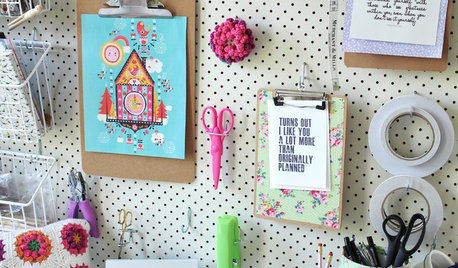
CRAFTS20 Ways to Organize Your Craft Space
Tired of looking for a needle in a haystack? Giving tools and supplies a proper place steps up productivity and cuts down on frustration
Full Story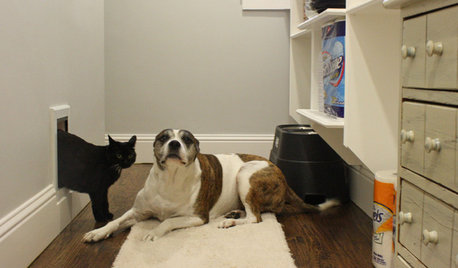
PETSPet-Proofing Your Home: A Room-by-Room Guide
Not all pet dangers are obvious. Keep furry friends safe and sound by handling all of these potential hazards
Full Story
MATERIALSAre You a Maker? Show Us Your Favorite Tool or Material
Houzz Call: A tool or material can be a maker’s best friend. We’d like to see your favorite — and what it helps you achieve
Full Story
GARDENING GUIDESGreat Design Plant: Grow Blueberries for Their Fruit and More
Eastern gardeners should consider growing blueberry plants for their delicious fruits, bee-friendly spring blooms and brilliant fall foliage
Full Story
FEEL-GOOD HOME50 Out-of-the-Box Ideas for Bedroom Accent Walls
Neon signs, gallery walls, wood and dramatic paint add personality and budget-friendly flair to these bedrooms
Full Story

rob333 (zone 7b)Original Author