

Food safety in America is under attack. MAY 07, 2025, The Atlantic
last year
last modified: last year
Featured Answer
Sort by:Oldest
Comments (63)
Related Discussions
Smooth Sumac, Rhus glabra
Comments (73)And with that, goes the self-proclaimed high ground argument of "scientific neutrality." It is finally revealed that snasxs has been basically just using semantics to shroud the effort to defend the defenseless: a lost botanical soul from the continental land mass due west of this continent, brainlessly trying to survive in this New World. Anger or hatred? Not sure where that sentiment is derived, but it sure ISN'T Sinophobia as related elsewhere. For me, I'd dislike this plant's behavior in local environments whether it was from east Asia or from the moon. As for unanswered questions: snasxs has never 'fessed up to the origin of this posting - the pretense of inability to discern differences between Rhus and Ailanthus, thus promoting equal acceptability of both. The posting of Sun, Jan 29, 12 at 13:45 is especially telling in this regard. Who could believe THAT?...See MoreRust
Comments (1)We use a combination of Nickel Plus and K-Phite. It's working great. We spray with both, using a sticker-spreader we got at Tractor Supply. We also add their blue dye now, because it helps us see where we have missed a spot. It isn't very easy to see through goggles, with sweat pouring down in your eyes. Just avoid spraying any blossoms, unless you are really desperate for a blue daylily. We were advised to spray once a week for 3 weeks, then wait 3 weeks before spraying again. I've only sprayed once this fall, since it has been raining off and on ever since. Occasionally, I will have a plant that shows sign of rust, but nothing like it was before I started using the nickel. I wouldn't use anything else. Well, let me take that back. I am going to try some Actinovate on just a few isolated and unimportant plants to see how it works. The only thing I don't like is having to don all that protective gear, but I wouldn't have it otherwise. I'm very cautious. We use goggles, a special pesticide mask we bought at Lowes, chemical gloves (also at Lowe's), rubber boots and a yellow rain slicker. My hubby and our yardman refuse to put on a garbage bag drawstring skirt, but if I'm doing the spraying, I wear that, too. I'll have to get my hubby to take a picture of me in that fancy outfit so everyone can get a good laugh. When the weather is warm, we get very sweaty in all that garb! We start very early in the morning while it is still cool. We have a big tank sprayer on wheels we pull behind our riding lawn mower. It runs on the lawn mower battery. We got an extra length of hose so we can cover more territory. One of us drives the lawn mower while the other sprays. I could do it by myself, but it takes longer to have to keep stopping to move the mower ahead. We wash the tank out thoroughly after spraying and run clear water through the wand when we have finished. Aren't you cold climate people lucky??? Nancy...See MoreSad. Those damn developers!
Comments (82)How amazing. It seems that just about every post in this thread is something I hear or read about in what is happening locally though there is alot more emphasis upon the effect of immigration from the south. It seems quite apparent that there is no one acorn that will grow the right sized tree that can be used to resolve these matters forthrightly. The needs and the available resources will have to dictate the basic guidelines that local governments must use in a responsible way to maintain a basic quality of life for all citizens. It is just a matter of definition. The most important element will have to be education. That is, education of the young to become aware of their world, both the material world and the natural world, and to learn how to appreciate the values of both and how to deal with those elements that deter from quality of life, which itself will have to be resolved to some basic common denominators. Perhaps the biggest hurdle to progress on dealing with these kinds of issues is the tendency of the society to capitalize on dilemnas for personal profit. Housing is the best example of this excess. While currently the free market is the prime mover in setting housing starts, the trend is always towards the highest bottom line possible. And so the notion of low-cost or even realistically costed housing is only a dream for the low to modest income levels and seems to draw those who are enterring the market area from outside after having realized substantial gains on their previously owned properties. This cycle seems bent on driving housing into a ever higher spiral of unaffordability. But there are solid answers. A rethink in the manner in which housing is liquidated. A rethink in how housing is constructed and in the types of materials that are used. There are excellent approaches on the books since the 1920s and 1930s. Think Frank Lloyd Wright for example. Again the notion of profit has contributed to continual erosion of natural resources worldwide! (Think Indonesia) I think that is is time to really put the arm on the politicians as is being done in regards to immigration. It is time for our society to begin the task of confronting the dilemnas rather than continuing to make them worse....See MoreAny Salmon Experts Out There?
Comments (27)I'm not a salmon expert but we live in Seattle and eat fresh (summer/fall) and frozen salmon (winter/spring) weekly. We only eat wild caught salmon from the Pacific. I have always been disappointment in the flavor of Atlantic salmon I've eaten. From my experience the color varies across species. For example, sockeye has the richest darkest color. King is often lighter. The color does seem to affect flavor, but I think the most important factor to my palette is freshness. The fresher the wildcaught pacific salmon is when eaten or frozen the better it tastes. We buy frozen from a local vendor that fillets and freezes on the boat so the frozen when defrosted still tastes great. The other thing is not to overcook it. I find defrosted frozen salmon takes less time to cook. If you live somewhere that does not have good access to really fresh salmon then I'd buy frozen and try and source boat processed salmon. I haven't tried Costco salmon but they are a Seattle company and I do think they source, in general, pretty good quality products. If you like it then really that's all that matters. Also, largely you get what you pay for with salmon. The exception is that if it's the first of the season it's a rip off and if it's the height of the season it's a great deal. But wild will typically cost more than farmed and Pacific probably more than Atlantic and those price differences are worth it IMHO....See More- last year
- last year
- last yearlast modified: last year
 last year
 last yearlast modified: last year
 last year
 last year
- last year
- last yearlast modified: last year
- last year
- last year
- last year
- last year
- last year
 last year



Related Stories
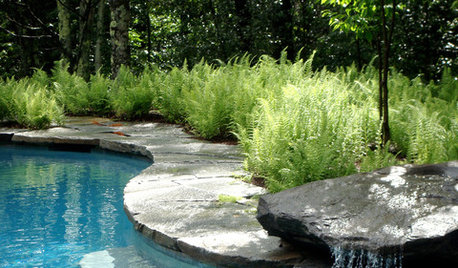
GROUND COVERSNative Alternatives to English Ivy, Japanese Pachysandra and Periwinkle
These shade-loving ground covers are good for the environment and say something about where you are
Full Story
GARDENING FOR BUTTERFLIESGardening for the Bees, and Why It’s a Good Thing
When you discover how hard bees work for our food supply, you may never garden without them in mind again
Full Story
BASEMENTSDesign Workshop: Is It Time to Let Basements Become Extinct?
Costly and often unnecessary, basements may become obsolete — if they aren’t already. Here are responses to every reason to keep them around
Full Story
REMODELING GUIDES11 Reasons to Love Wall-to-Wall Carpeting Again
Is it time to kick the hard stuff? Your feet, wallet and downstairs neighbors may be nodding
Full Story
DECORATING GUIDES12 Deadly Decorating Sins
Are your room designs suffering from a few old habits? It may be time to change your ways
Full Story
KITCHEN APPLIANCESFind the Right Cooktop for Your Kitchen
For a kitchen setup with sizzle, deciding between gas and electric is only the first hurdle. This guide can help
Full Story
KITCHEN DESIGNDesign an Easy-Clean Kitchen
"You cook and I'll clean" might no longer be a fair trade with these ideas for low-maintenance kitchen countertops, cabinets and floors
Full Story
FUN HOUZZ31 True Tales of Remodeling Gone Wild
Drugs, sex, excess — the home design industry is rife with stories that will blow your mind, or at least leave you scratching your head
Full Story
HOUSEKEEPINGHow to Clean Your Fridge, Inside and Out
Keep your refrigerator clean and fresh, while you gain storage space and lose those ‘UFOs’
Full Story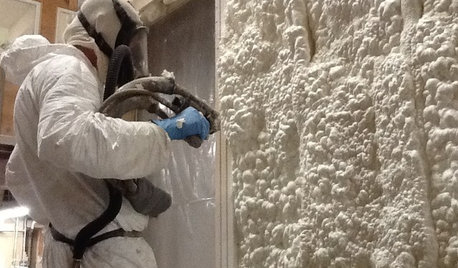
MATERIALSInsulation Basics: What to Know About Spray Foam
Learn what exactly spray foam is, the pros and cons of using it and why you shouldn’t mess around with installation
Full Story
vgkg Z-7 Va