

Pronunciation - Is this regional, generational, lazy, or what?
2 years ago
Featured Answer
Sort by:Oldest
Comments (177)
- 2 years agolast modified: 2 years ago
- 2 years ago
Related Discussions
Latin pronunciation....
Comments (4)Suggest you get a copy of the New Pronouncing Dictionary of Plant Names, a handy little pocket guide published by the American Nurseryman Publishing Company (800-621-5727). Unfortunately, there are always exceptions and even some regional variations, but in general there are no silent syllables - everything spelled is pronounced - emphasis is usually (but not always) given to the second syllable of the name, the vowels in the emphasized syllable are almost always pronounced long (pinus = PINE-us), 'ch' is pronounced as 'k' and double vowels ('ii') are pronounced individually ('david-y-i'). Fine Gardening magazine has a pronunciation guide in the back of each issue covering all the plants listed. They also have a website that covers everything in their publication since '03. Also, plant-names.com has a pronunciation guide as well. FWIW, even professional horticulturists mispronounce botanical latin from time to time, so don't stress :-)) But these resources should help you to at least get more comfortable with what often appear to be tongue-twisters, but really aren't. Here is a link that might be useful: FG's pronunciation guide to botanical latin...See MoreEC and Electrolytes in general
Comments (17)Im trying to determine what a save range of Electrolytes might be. I understand the basic concept of Electrolytes help with the rigidity of stems and leaves by forcing water into the plant, and creating pressure. At what point to the EC levels become dangerous, and short of flushing our entire stock with water for hours, is there anything else I can do to help. Is this even a problem. All knowledgeable answers welcome. Sorry to interupt this thread by replying to the original poster ;) I also would like to know more about the point at which EC becomes a problem. Having admitted I don't know the precise point I thought I would offer a bit more explanation of the problem and provide an anecdotal observation. First, the anecdotal observation. My tap water which I use to irrigate all my plants has a TDS of 440ish. It's very hard water. I have not observed any problems related to water uptake/turgidity from this even with nutrients added raising the TDS/EC much higher. IOW I think you are safe if the highest your readings ever go is to the 500s. Now for the explanation of the problem. For water to enter plant cells (roots) the salt concentration inside the plant has to be higher than the salt concentration in the solution around those roots. If this is the case water is pulled into the plant. Unfortunately as the salt concentration around the roots rises, it becomes more difficult for water to be pulled/sucked into the plant. The potential problem then is that as EC/TDS numbers climb the plant may be unable to pull in water at the same rate it is losing it via transpiration. This would lead to loss of turgidity(wilting), but can also lead to nutrient mobility problems such as with calcium before loss of turgidity is noticed leading to abnormal new growth. If you are not noticing any problems with the plants you are responsible for then the EC/TDS is probably not an area you need to be concerned about. If you are noticing problems then it *might* be....See MoreConfessions of a cheap AND lazy gardener
Comments (26)Hi Marcia. Yes, what I did was similar to lasagna gardening. With the leaves from the trees falling and the bit of chopped ones I threw around just before it snowed , I now have the makings of some new compost material also. I fortunately only had to slit and cut holes in the cardboard to go around the tree trunks. That was the hardest part, as I used pretty thick cardboard. There weren't any other plants there, but I hope to change that if this method continues to work. I must say, even if it has to be redone next year, it was well worth having that area weed free for a season. Oh, I just remembered, I threw Lavatera seeds from my plants onto this area just to see if they'd grow next year. They'll help fill up the space. Also, I planted a new clematis this year in a small spot that had grass and weeds. I removed the sod, planted the clematis, covered around it with cardboard, added a bit of soil and compost and now I'm just waiting to see what happens next year. I also put cardboard around my grafted lilac ( which had tons of weeds growing around it) and once in a while put grass clippings over top as it looks better than weathered wet cardboard, and none of the weeds have come through yet =:) All I need to hope for is a supply of ink free cardboard for next year in case I need it. I'm not sure how long it takes to break down. Sorry to hear about your adenophora invasion. It always seems odd that a plant could be invasive in such a cold climate. :D If you have lots of plants in your weedy area ( notice I didn't say weeds in your plants area) then it sounds like you may have to dig some of them out, add cardboard, etc. and replant. More work than I had. Hmmm. Since this thread is "confessions of a cheap AND lazy gardener" I guess this is my confession of being LAZY when it comes to weeds.....or maybe it has more to do with my waning patience/tolerance for weeds, ha, ha! I confess! ( Boy this reply is long. )...See MoreRegional or NYC expression?
Comments (33)I don't think it's a new trend lukki (at least based on my hearing it in movies, going back quite a ways). It's not common, tho. But then when Sonja & occasionally one of the others started saying it a lot, that's what made me start to wonder again. I need to reread terriks link, looks rather fascinating but definitely not a skim over type article. Thanks! :) Jen, interesting about the British. (I often wonder if they view us as having butchered the King's English. ;) Look how much their language has changed just since the Tudor/Elizabethan eras. I saw a special on History Channel once, about how language evolved in Britain tracing it as far back in recorded history as they could. Honestly what they started out with isn't even close to what's used today. I get so engrossed in all this!...See More 2 years agolast modified: 2 years ago
 2 years ago
- 2 years agolast modified: 2 years ago
 2 years agolast modified: 2 years ago
- 2 years agolast modified: 2 years ago
- 2 years ago
- 2 years ago
- 2 years ago
 2 years agolast modified: 2 years ago
- 2 years ago
 2 years ago
- 2 years agolast modified: 2 years ago
 2 years ago
- 2 years ago
- 2 years ago
- 2 years ago
- 2 years agolast modified: 2 years ago
- 2 years agolast modified: 2 years ago
- 2 years ago
- 2 years ago
- 2 years ago
- PRO2 years agolast modified: 2 years ago
- 2 years agolast modified: 2 years ago
- 2 years ago
- 2 years ago
- 2 years ago
 2 years ago
- 2 years ago
- 2 years ago
- 2 years ago
- 2 years ago
- 2 years agolast modified: 2 years ago
- 2 years ago
- 2 years agolast modified: 2 years ago
- 2 years ago
- 2 years ago
- 2 years agolast modified: 2 years ago
- 2 years agolast modified: 2 years ago
- 2 years agolast modified: 2 years ago
- 2 years agolast modified: 2 years ago
- 2 years agolast modified: 2 years ago
- 2 years ago
- 2 years ago
- 2 years agolast modified: 2 years ago
- 2 years agolast modified: 2 years ago
- 2 years ago
- 2 years ago
- 2 years ago

Related Stories

GARDENING AND LANDSCAPINGGenerate Buzz as a Beekeeper
Fresh honey and happy flowers are just two of the perks of a backyard beehive. These 5 guidelines will help you get started
Full Story
HOUZZ TOURSHouzz Tour: Energy-Efficient, 'Lean' House in Maine
Sustainable architecture and amazing light draw an environmentally conscious family to a new home
Full Story
LIFEConsider Avoiding These Plants to Help Keep Your Garden Fire-Safe
Plants that accumulate dead material, are high in oil or have low moisture content in leaves put some homes at risk
Full Story
REMODELING GUIDESBathroom Remodel Insight: A Houzz Survey Reveals Homeowners’ Plans
Tub or shower? What finish for your fixtures? Find out what bathroom features are popular — and the differences by age group
Full Story
CONTRACTOR TIPSBuilding Permits: What to Know About Green Building and Energy Codes
In Part 4 of our series examining the residential permit process, we review typical green building and energy code requirements
Full Story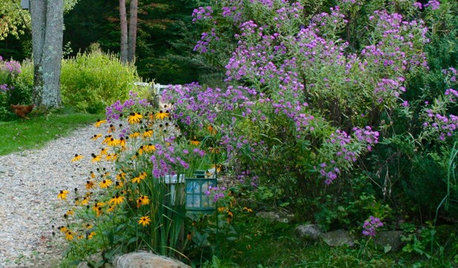
GARDENING GUIDESTop 10 Native Plants for the Northeast
For a low-maintenance, wildlife-friendly landscape, use native plants adapted to the climate and range of soils in the Northeast
Full Story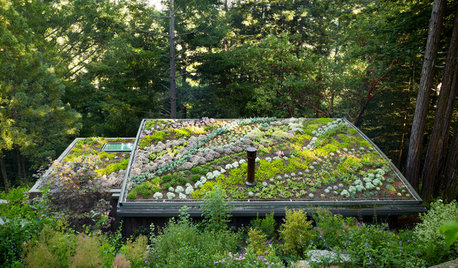
EARTH DAYThe Beauty of Subtle Sustainable Architecture
See how 4 earth-friendly design approaches find harmony with nature
Full Story
FUN HOUZZDon’t Be a Stickybeak — and Other Home-Related Lingo From Abroad
Need to hire a contractor or buy a certain piece of furniture in the U.K. or Australia? Keep this guide at hand
Full Story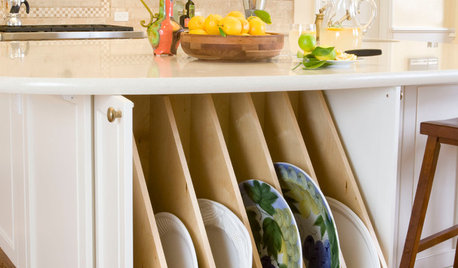
KITCHEN STORAGE13 Popular Kitchen Storage Ideas and What They Cost
Corner drawers, appliance garages, platter storage and in-counter knife slots are a few details you may not want to leave out
Full Story
DECORATING GUIDES7 Tips to Sell Your Home Faster to a Younger Buyer
Draw today's home buyers by appealing to their tastes, with these guidelines from an expert decorator
Full Story

floral_uk z.8/9 SW UK