

rubber cutting boards
2 years ago
last modified: 2 years ago

Featured Answer
Sort by:Oldest
Comments (22)
Related Discussions
cuttings from a rubber tree
Comments (12)You have semi-ripe cuttings, which are perfect for propagating Ficus e., but they are best taken in late summer to early fall. "I did this about 2 weeks ago and I have no roots growing? Do I need to wait longer?" Well, if you have no roots - and you WANT roots - I believe your only choice is to wait. ;o) I think though, that your choice of water as the rooting medium wasn't the best. I would have taken 8-12" tip or internodal cuttings & removed all but the top 2 leaves. I would probably then have cut 1 or both of those leaves in half across the veins to reduce transpiration, and stuck them in a deep container, buried to the base of the bottom leaf, in pure perlite or another sterile and well-aerated medium (like Turface or very coarse [half BB size] sand). I would do this now. After that, bright light and a soil temperature of 65-70* are the order of the day. Remember that cutting success is very dependent on how much stored energy there is within the cutting. Cuttings from plants growing under stress or strain will be substantially less likely to strike than those taken from plants growing with good vitality. Al...See MoreHi, I'm rooting some rubber tree cuttings and would like some advice.
Comments (9)Wow, I'd urge you to remove the cover immediately. Rubber plant cuttings take off really nicely so long as you don't over-water them. I must have made over 30 cuttings from a few different plants (one in pot, two in ground) in the last couple of years, and all I do it take a cutting, remove the last leaf to make an open wound, let it dry overnight, and stick the thing in soil. I have never had one die on me or not take root. Don't remove the leaves--and rooting hormone is not necessary. I never even cut the leaves. That said, I plant, I water and then I basically don't water for about 20-30 days until it's bone dry. A couple of months of doing that and you're set to go. No need to even check for roots; you'll see new growth coming up assuming the season is right....See MoreTake a rubber tree cutting on a plane?
Comments (6)Some warm climate States with big agricultural industries such as California and Hawaii have a history of restricting movement of plants and plant parts across their borders. Flights to Honolulu used to include a drill where forms would be circulated when arrival was being approached, where passengers were supposed to declare any plant parts - including fruits - they might have with them. When I flew back from Britain with conifer cuttings in ~1994 I had to declare them in advance, surrender them upon arrival, and come all the way back to the airport to pick them up later, on a different day. (One thing that was dumb about it was they seized most of the golden Chinese juniper cuttings but left multiple fragments of them still in the box, so that if the material had been carrying a pest or pathogen it could still have gotten in)....See MoreDIY stone cutting board question
Comments (15)The reason I wanted to make something large and heavy duty was so that it could be a semi-permanent fixture on our counters. We actually have two squares of counter, exactly 2' x 2' each, on either side of the sink, so we were thinking we could put a single large tile on each one and it would look much nicer, plus have the added functionality of no more flour in the grout grooves. I basically want something exactly like that marble pastry board, only bigger. Though I read that marble is porous and can stain and that you shouldn't put hot dishes on it. I did once work at a pizza place and we had a huge marble slab for rolling out dough - though flour and dough were the only things that ever touched it.....See More- 2 years ago
- 2 years agolast modified: 2 years ago
 2 years ago
 2 years ago
- 2 years ago
 2 years ago
 2 years ago
 2 years agolast modified: 2 years ago
- 2 years agolast modified: 2 years ago
- 2 years ago
- 2 years ago
- 2 years agolast modified: 2 years ago
- 2 years agolast modified: 2 years ago
- 2 years ago
- 2 years agolast modified: 2 years ago
- 2 years ago
- 2 years agolast modified: 2 years ago
- 2 years agolast modified: 2 years ago


Related Stories
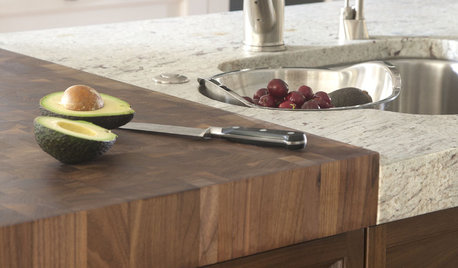
KITCHEN DESIGNKitchen Counters: Try an Integrated Cutting Board for Easy Food Prep
Keep knife marks in their place and make dicing and slicing more convenient with an integrated butcher block or cutting board
Full Story
HOUSEKEEPINGHow to Clean Your Cutting Boards
Learn the best techniques for cleaning and sanitizing wood and plastic cutting boards
Full Story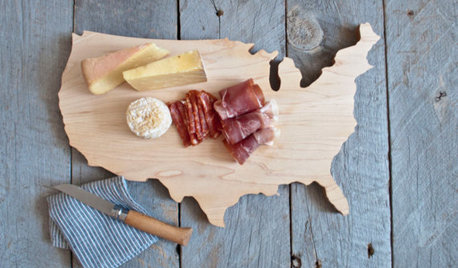
PRODUCT PICKSGuest Picks: Chop Chop! 20 Cutting Boards Too Good to Miss
Any way you slice it, these cutting boards, chopping blocks and serving boards are both artful and practical
Full Story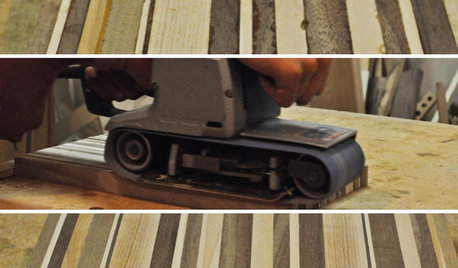
DIY PROJECTSFashion a High-Quality Cutting Board From Scrap Wood
Waste not, want not. This DIY project saves scraps from the landfill, hones your woodworking skills and produces a gorgeous kitchen piece
Full Story
KITCHEN DESIGNButcher Block Makes the Cut for Holiday Kitchen Prep
Countertops and cutting boards will likely take a beating over the holidays. These butcher blocks have the chops to perform under pressure
Full Story
HOME OFFICESQuiet, Please! How to Cut Noise Pollution at Home
Leaf blowers, trucks or noisy neighbors driving you berserk? These sound-reduction strategies can help you hush things up
Full Story
STUDIOS AND WORKSHOPS12 Ways to Make That Inspiration Board Truly Inspiring
Is a plain corkboard stopping up your creative flow? Stir the imagination with these creative ideas for pin boards and more
Full Story
FLOWERS AND PLANTSPlant Rubber Rabbitbrush for Its Brilliant Blaze of Gold in Fall
The western North American shrub ‘Ericameria nauseosa’ has masses of tiny flowers that attract pollinators
Full Story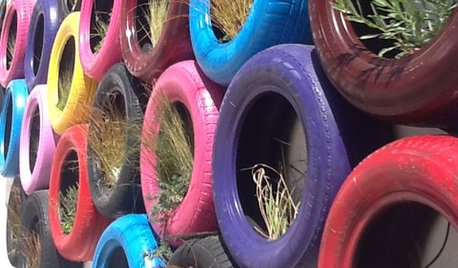
SALVAGECan We Bounce Some Great Recycled-Rubber Ideas Off You?
No need to bemoan that spare tire. Old rubber is getting a guilt-free second life as flooring, pavers, sinks and even furniture
Full Story
HOUSEKEEPINGWhere to Store Your Ironing Board
Fed up with tripping over the ironing board? Lessen the chance with one of these clever storage ideas
Full Story
dcarch7 d c f l a s h 7 @ y a h o o . c o m