

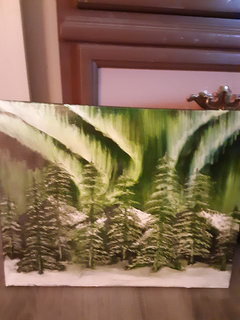
Northern Lights by Me
2 years ago
Featured Answer
Sort by:Oldest
Comments (7)
 2 years ago
Related Discussions
Mandarine Lights Azalea-(Northern Lights series)
Comments (6)Rhodyman - I made a mistake. I want to plant it on the north west-side of the house. Will this be okay? Morning shade and afternoon sun. Also, thankyou for explaing the benefits of peat moss to me. I thought peat moss kept the soil moist but my soil is already moist. Okay, I will add some peat moss to the hole when I plant my Mandarin Lights tomorrow. My soil is acidic. The nursery where I purchase all my plants, is going to give me all the pine needles I need for my rhodies and azaleas. They just told me to bring my own bag. lol Oh yes, my bed is definitely raised and on a slope. I will much with composted bark mulch. Okay, here's a dumb question??? Do you put the pine needles on first or the bark mulch? Again, thank you for all your help....See MoreDoes anyone successfully grow Northern Lights Azalea?
Comments (10)Growing azaleas is not a carefree, low maintenance activity. I amend my clay soil with 6 inches of pea gravel and then 18 inches of loam, sand, peat moss, and pine bark, with additions of granular sulphur, and early spring Holly Tone fertilizer and again in October. Each year I top dress with compost, granular sulphur, and pine bark (many garden leaves have a pH too high for azaleas). The site has good air drainage, strong easterly sun, afternoon shade, and strong wind protection from the west and northwest. Many of my northern lights azaleas are over 25 years old and about seven feet tall, newer additions such as electric lights and candy lights are smaller, but gaining height. In the winter I protect the azaleas from white-tailed deer and rabbits. Some winters may be warm (+50 F.) and dry for a week or two and then back to -20 F. and lower. I check the soil which is well drained, if it is dry I get our the hose and water the soil, it saved my azaleas and evergreen Rhododendrons, as many in Michigan lost theirs because of dry desiccating winters. This happens about once very ten years. From July 10 until September 15 I monitor the soil water carefully and at the earliest signs of wilting, I water heavily. Azaleas need water but good air drainage in the roots too, so that is why they get easily desiccated in winter or suffer from drought in mid to late summer. Each spring I must remove the canker worms on the leaves or they will consume a big plant in a week and a small plant in a day. As I have large shrubs now, the show is spectacular. People within two counties come by to see the yearly show and enjoy the fragrance. It is certainly very beautiful, but it takes a dedicated gardener-- I have killed lots of plants, but I make sure my azaleas have survived. I am a life member of the American Rhododendron Society and I knew the breeders of the azaleas, as they were my professors when I was an undergraduate at the University of Minnesota. I see many people install azalea beds, even in arboretums where the azaleas are neglected and look shoddy. It takes real dedication to grow them in the upper midwest and northern great plains. I lived in Edmonton in my youth-- very little grows there but the hardiest pine, spruce, fir, and aspen. In Edmonton, cool season annuals add color. By late summer the azaleas can look ragged but many have an interesting fall color similar to blueberry plants or some juneberries. I enjoy the architecture of the shrub in the winter and the large flower buds. In the spring, bumble bees work the flowers. I grow blueberries, bunchberries, huckleberries, lingonberries and cranberries in my azaleas gardens, as they all need an acid soil, plus my Magnolia virginiana tree which is way out of its range of the eastern shores of the USA, but flowers and has grown over 15 years to a height of 12 feet and one rare Asian maple that prefers/tolerates highly acid soil. When I first saw pictures of azaleas, I could not imagine them, as they looked like abundant daylily flowers on a shrub. But finally in the spring of 1975, I saw my first azalea in full bloom on the University of Minnesota St. Paul campus. I grow the plants in honor of the professors who bred them and Dr. Leon Snyder who initiated the breeding program in Minnesota. I even call my path by the azaleas-- the Snyder Walk. I live in the county where Leon Snyder was raised as a youngster. So indeed I am passionate about hardy azaleas, but they are not for the casual gardener and it takes about 10 years before the show to truly becomes impressive. I do not wish to discourage anyone, but the comments on these pages from others I can sympathize with and the reality of their experiences is very reasonable. For many, flowering shrubs/perennials such as spiraea, mock orange, lilac, peonies, viburnum, lillies, daylilies, and iris may be a better choice. Yours in communications, Jon...See MoreHAVE: updated my list- lots of heirlooms
Comments (8)I have many potted rosemaries so I guess I don't need cuttings. Good reminder though to root some! Disneynut, I am replying to your email now....See MoreDeschampsia cespitosa Northern Lights
Comments (28)Thank you so much Linda! We were posting at the same time. It is confusing with the two Karl Foersters but he was such a renowned plantsman. Both are excellent intros deserving of his namesake. I normally research to avoid issues but I put up with the seeding of the Sea Oats because I enjoy them so much. I always add that caution for those that want to avoid "problem" plants. There are so many to choose from that are trouble free. I call my garden style an organized riot so I can put up with a plant that seeds about if I like it enough lol! Yes, I would stay away from Phalaris arundinacea - Ribbon Grass. I planted it so many years ago and it behaved for quite a while but then became beastly. I like the look so I prefer the much smaller and partial shade loving Arrhenatherum bulbosum 'Variegatum' - Bulbous Oat Grass. It is not without issues as it can brown out in the heat of summer but after a hair cut bounces right back. I really enjoy the whiteness of it. Location and soil can play a large part in what can be invasive so I try to check for that. I grow a few named Miscanthus but I am at the edge of their hardiness zone . I know they are considered invasive in certain parts of the country so I was quite shocked when I added Miscanthus 'Malepartus' and had it seed about. I had grown M. 'Sarabande' 'Morning Light' and 'Strictus' for many years before adding others. p.s. B Maggic most of my shade areas are filled with Hosta and Linda's too I believe....See More- 2 years ago
 2 years ago
- 2 years ago


Related Stories
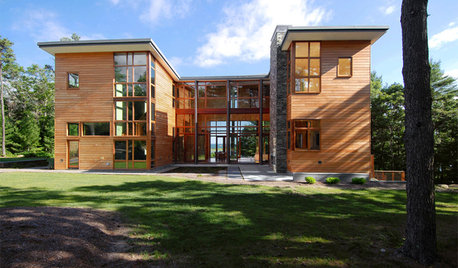
ARCHITECTUREDesign Workshop: Give Me an ‘H’
Look to modern versions of an H-shaped medieval floor plan for more privacy and natural light
Full Story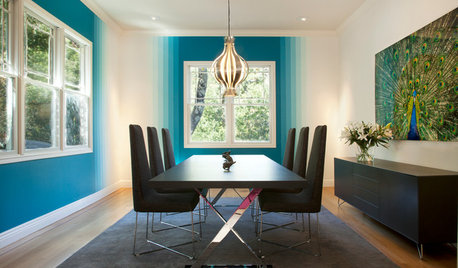
MY HOUZZMy Houzz: Fun and Happy Colors in Northern California
Bold jewel-box hues, ombré walls and modern lighting transform a traditional family home
Full Story
HOUZZ TOURSMy Houzz: Hillside Home in Northern California
A stylist capitalizes on a stunning view of the San Francisco Bay and natural light in every room of her contemporary family home
Full Story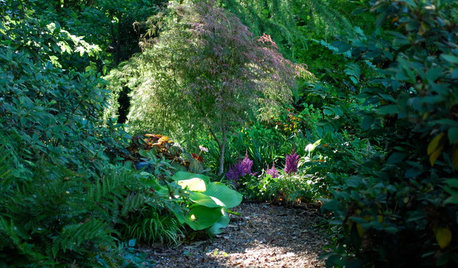
LANDSCAPE DESIGNSet Your Shade Garden Aglow With Light
Invite brightness to the dark corners of your garden for a magical dance you won't want to miss
Full Story
FARMHOUSESLight-Filled Artist’s Studio in the Pennsylvania Countryside
An architect creates a soaring space for a still-life painter that references the area’s history and her passion for horses
Full Story
PRODUCT PICKSGuest Picks: Contemporary Lighting for All Kinds of Needs
Task lamps, floor lamps, pendants ... Whether you’re reading in bed or want a glow overhead, there’s a light here for you
Full Story
DECORATING GUIDESOn Trend: Light Fixtures Take to the Branches
Tree branches in nature are inspiring chandeliers and table lamps at home, in both realistic and stylized interpretations
Full Story

LIGHTING10 Ways to Enjoy the Magical Glow of String Lights
They’re not just for the holidays. You can use them to add warmth and sparkle to a room, a tabletop or a porch year-round
Full Story
BEFORE AND AFTERSA Light and Bright Apartment Refresh in Brooklyn
A designer uses her New York client’s favorite things and replaces other furnishings for a contemporary yet cozy look
Full StorySponsored

Columbus Design-Build, Kitchen & Bath Remodeling, Historic Renovations



Yayagal