

Gardening for pollinators and wildlife.
5 years ago
Featured Answer
Sort by:Oldest
Comments (790)
- 4 years agolast modified: 4 years ago
Related Discussions
Help critique front native wildlife garden plans
Comments (18)I'm not well-versed in conifers, but do have a list at work from a presentation given by our Ag. Agent "Underutilized Trees & Shrubs". If I can remember, I'll bring it home; anything suited to our area should do just as well in yours. Right off the top of my head, two deciduous woody plants with good winter interest are the river birch (betula nigra) 'Heritage' and redosier dogwood. 'Heritage' is better suited to our hot summers than white birch, and is resistant to many of the pests and diseases; as it matures, it also develops a lovely an interesting exfoliating bark. There are a few different varieties of the redosier dogwoods now, with different coloration. They thrive in full sun to part shade, but will have better winter color in full sun. Winterberry holly is deciduous, and you need both male and female plants, but will have a beautiful display of bright red berries in winter - for the birds or to cut and bring indoors (use them as supports for your forced paperwhite bulbs ... great combination). I'm glad to see you've chosen the serviceberry (shadbush, amelanchier, etc.). Check the different varieties for the characteristics you prefer - some have more vibrant fall foliage than others. The berries are very attractive to wildlife (I didn't realize chipmunks climbed trees until I saw one gathering berries in one of the serviceberries at our park). The berries are edible for humans, if you can get to them before the wildlife does! They taste a lot like blueberries. One of my favorite local nurseries is also a good resource for information, rarefindnursery.com. Even if you don't order anything from them, you will find a lot of photos and information and I've always found it to be reliable. Ah, sweetbay magnolia (magnolia virginiana) - another native, semi-evergreen, very fragrant blooms (heavy in June, intermittently thereafter), seeds are colorful and food for wildlife. The undersides of the leaves are silvery, making a nice display when they flutter in the breeze. Choose an upright or multi-branching variety, according to your needs. Like serviceberry and river birch, they do well in a moist soil. Ninebark (physocarpus) is another deciduous native, for sun or partial shade. 'Diablo' is a dark red leaved cultivar with contrasting clusters of tiny pale pink flowers. I'm sorry, I should never get started....See MoreDo you plan for wildlife in your garden?
Comments (28)Apparently I'm in good company with my butterfly bed that's stuffed with all their favorites and my oversize collection of bird feeders in the crabapple tree. I designed the butterfly bed specifically to attract them and so far am happy with the end result. There's still lots of space to fill in but it's getting there gradually. My folks planted with wildlife in mind before me so there are dogwoods, mock orange, lilacs & others to attract birds. There's a 40 ft. x 30 ft. area of white hydrangea growing on the southern boundary the birds use as a sanctuary. They stop off in the lilac bush on their way to/from the birdfeeders & birdbath. I've counted as many as 25 junkos in the mock orange during snowstorms, all puffed out like little gray tennis balls. Every year wrens nest in each of the three birdhouses hanging in the crabapple tree. One morning this summer I noticed my motion sensor light had come on. When I peaked through the curtains out the front window, there was a red fox stretching as tall as he could trying to raise his chin over the edge to get a drink from the birdbath. I felt so guilty, I washed out a big bowl & set it on the ground beside the birdbath for him. I kept it filled the rest of the season. No rain fell here from June-October so the critters were thirsty along with all my plants. The foxes took over a former rabbit & woodchuck burrow, made it bigger & raised 3 pups down behind my 80 ft. row of blueberry bushes. Yes, they ate all the blueberries this year. Like I said, there was a really bad drought here in southern New England. I took a few pictures through the window screen when they came out to play in the early mornings: A few lucky shots of robins enjoying the ancient plastic birdbath under the crabapple tree: I think the Cooper's hawks that nest down in the woods at the back help keep the rodent & bunny populations under control but the chipmunks can be a problem. Esme the snake makes her rounds of the flowerbeds and takes care of whatever varmints use the hosta leaves to hide under from the hawks....See MoreWonderful WIldlife Morning in the Garden
Comments (18)Larry, I love the photo. Our deer aren't as thin as yours, but they were that thin, or even worse, last year. Yesterday when Tim came home from getting a haircut he came in with a bag of deer corn and we put some out for the deer this morning. I put the deer corn right by the back compost pile near the deer trail and the deer were there eating it 10 minutes later. It was the same herd that I described in the first post on this thread. They didn't come until about 7:45 a.m. Something is scaring the deer and rabbits because they are becoming very scarce in the evenings, and don't come out in the mornings until well after sunrise. This is a change in their pattern that has occurred within the last week. Yellow Cat, who was a feral cat for a decade before he settled into our place, adopted us and retired from being wild and self-sufficient won't even leave my side right now, and would stay inside the house 24/7 now if I'd let him. When he starts hiding out inside like that, or sticking to me like glue outdoors, that's another sign the predators are getting too close to the house. I haven't seen any or heard any, but we had a coyote hanging around a couple of months ago. Likely it is a coyote that's scaring them. Susan, I've never seen native passionvine on our land nor have I ever seen it anywhere in Love County. It might grow down in the wild river bottom areas, but we've been down there on fires and on drowning searches/recoveries and I've never seen it there either. Remember that we're more of a grassland than woodland type ecoregion, although there are some stretches of woods along the river and along creekbanks. I wish we had native passionvine here. We do always have gulf frits, though, so there's got to be passionvine someplace. My guess would be it is more in the eastern part of our county because the soils there are better and there's more woodlands along the river. I've seen giant, black and spicebush swallowtails this summer, but not very many of any of them. Usually they are as thick as flies, so I really miss having the usual hordes of butterflies around. Carol, That sounds like a great way to shade your pepper plants. As hot and dry as y'all are there, I know they must really appreciate that shade. My peppers wilted a couple of days in June when rain hadn't fallen and we were over 100 degrees but haven't wilted since then. They do get shade from the pecan tree beginning between 2 and 3 p.m. and that seems to be helping keep them happier this year than they were last year. Dawn...See MoreWildlife Gardening
Comments (9)Thanks! Yesterday, I ended up planting a couple more small pindo palms and another windmill palm and placed an order for 2x brazos blackberries (blackberry x raspberry x dewberry hybrid), 2x 'austin' dewberries, 2x black beauty mulberries, 1x methley plum, and 1x conadroia fig. I've been wanting a black mulberry for some time, but I didn't want want that got as big as a tree. These black beauty mulberries are said to be semi-dwarfing, getting a maximum of about 15'. Only one of them will be planted on my property. I bought two because I heard they were hard to propagate and wanted to give it to someone as a gift. As far as whether or not I'll be able to grow all of this stuff in this area, the jury is still out. Aronia and autumn olives are things I haven't really heard anyone ever growing in Florida before, and the pacific northwest blue elderberries probably won't do well here because of the huge climate difference between Florida and Washington, but I'm going to try anyway. Some of the things may live but not fruit due to not enough chill hours or even having too much shade in certain areas. A good example of something going wrong in the shade was when our family use to have a large persimmon tree, a tanenashi I believe, and when it got to around 20', its limbs started growing toward the sun, and one day, it had so much weight all on one side of the tree that the roots came out of the ground. It did fruit before that but somewhat sparsely. Just another note about getting lots of plants in two acres. I wasn't totally in to all of the small plants and flowers when we started landscaping this place, and I even chose a few wrong trees initially to plant and ended up pulling them up before they got too big. When I say I chose the wrong plants, I mean I realized that there was very limited prime (somewhat higher and better draining - clear from driveways, access, lawn mowers, - full-sun) space and wanted that space for "better" things. Ever since then, I've tried to figure out what would work best at all of the "other" spaces in the property. There are plants that may like low land with full sun, and then there are plants that like shade but don't like wet feet. Finding plants that would work in a low/shady area that I actually liked have been a challenge. Local nurseries generally haven't been much help either. They just say plant some bald cypress, red maples, or river birch and be done with it! The size plants grow have also been an issue even in the better areas of the yard. Thankfully, almost all of my fruit trees are semi-dwarf, and a few are real dwarfs, and they can be pruned down to a manageable size. I'd be lying if I said I always put plants in the perfect location though. It's part of having a limited space and trying to experiment and make use out of every part of it, see what will happen. It makes things interesting. It's disappointing when it doesn't work out, but it's great when it does!...See More 4 years ago
 4 years ago
- 4 years ago
- 4 years ago
- 4 years agolast modified: 4 years ago
- 4 years ago
- 4 years agolast modified: 4 years ago
- 4 years ago
- 4 years agolast modified: 4 years ago
- 4 years ago
- 4 years agolast modified: 4 years ago
- 4 years ago
- 4 years ago
- 4 years ago
- 4 years ago
- 4 years ago
- 4 years ago
- 4 years ago
- 4 years ago
- 4 years ago
- 4 years ago
- 4 years ago
- 4 years ago
- 4 years agolast modified: 4 years ago
- 4 years agolast modified: 4 years ago
- 4 years agolast modified: 4 years ago
- 4 years ago
- 4 years ago
- 4 years ago
- 4 years ago
- 4 years ago
- 4 years ago
- 4 years ago
- 4 years ago
- 4 years ago
- 4 years agolast modified: 4 years ago
- 4 years ago
- 4 years ago
- 4 years agolast modified: 4 years ago
- 4 years agolast modified: 4 years ago
- 4 years ago
- 4 years agolast modified: 4 years ago
- 4 years agolast modified: 4 years ago
- 4 years ago
- 4 years ago
- 4 years ago
- 4 years ago
- 4 years ago
















Related Stories
GARDENING GUIDESDoes Your Garden Welcome Wildlife Visitors With Something to Eat?
Learn which flowers and plants provide essential food for pollinators and other beneficial wildlife
Full Story
GARDENING GUIDESDesign a Beautiful Fall Garden Pollinators Will Love
Consider using these design principles and wildlife-friendly practices in your landscape
Full Story
GARDENING GUIDESSee Your Garden Through the Eyes of Its Wildlife Visitors
Want to design for beneficial wildlife? Learn how to recognize cover, shelter and habitat for pollinators and songbirds
Full Story
PLANTING IDEASGreat Garden Combo: Planting for Fiery Color and Beautiful Wildlife
Draw winged wonders while maintaining a strong design aesthetic to please human visitors to your garden year-round
Full Story
LANDSCAPE DESIGNCreate a Wildlife-Friendly Meadow in Your Small Garden
Find out how to add prairie charm to your landscape — whether it’s a backyard, a rooftop or a half-dozen pots on a patio
Full Story
FLOWERS AND PLANTSGive Wildlife and Your Garden a Colorful Boost With Lantana Plant
Bright blossoms attract birds, bees and butterflies throughout the warm season
Full Story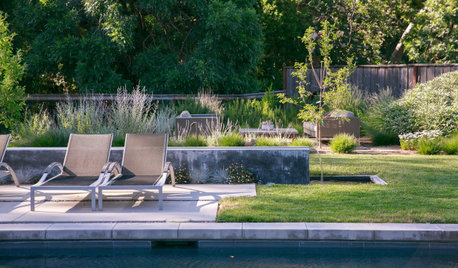
LANDSCAPE DESIGN9 Fresh Design Ideas From Wildlife-Friendly Gardens
Set up your garden to provide food, water and shelter for birds, bees, butterflies and more without compromising style
Full Story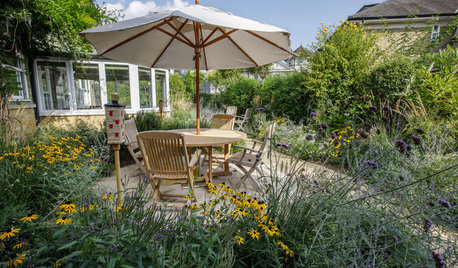
LANDSCAPE DESIGN4 Tips for Creating a Small Garden That Welcomes Wildlife
Win over birds, bees, butterflies and neighbors with these design strategies
Full Story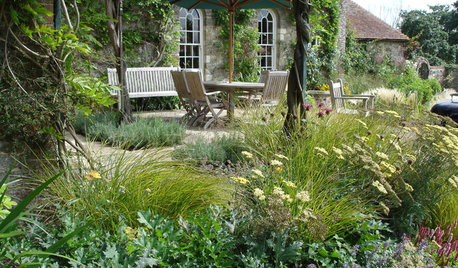
INSPIRING GARDENS7 Pollinator-Friendly Gardens to Inspire Your Summer Borders
Welcome birds, bees, butterflies and other beneficial insects with these favorite plants and smart design strategies
Full Story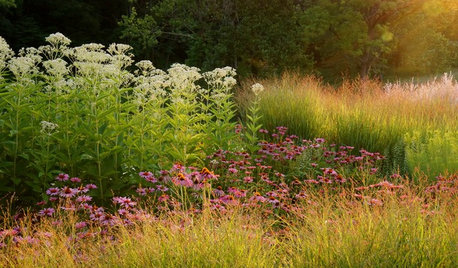
GARDENING FOR BUTTERFLIESGarden for Wildlife to Reap Rich Rewards
When you plant with animals and insects in mind, you make gardening easier, the planet healthier and yourself more present
Full StorySponsored
More Discussions
cyn427 (z. 7, N. VA)