

Cabbage? CABBAGES!!?
5 years ago
Featured Answer
Sort by:Oldest
Comments (26)
 5 years ago
 5 years ago
Related Discussions
question about cabbage family plants
Comments (4)Brassica soil is clay. In regard to organic matter, I beg to differ with my hero farmerdilla. Brassicas don't form mychorrizal associations, and they seem, in my experience, to not differentiate between proper garden soil and new, unimproved soil that is well fertilized (chemically). This has to do, possibly, with their origin as a seaside mediterranean plant, growing in soils that were poor in organic matter. Chard and beets (different species) share the same seaside origin, and they too do not form associations. Fertilizer needs (nitrogen needs really) are approximately proportional to leaf area. They are lower for arugula or turnip, and larger for cabbage and collard. They also like soil on the alkaline side, or at least not the regular acid we have here....See MoreHow to Grow Broccoli By Yourself??
Comments (9)Yes, both a spring & fall crop is a standard here as we love brocolli and it's one of the tops for good health and nutrition, and easy to freeze. Better tasting than store bought too. A note on buying transplants - buy them ASAP when the store recieves them as stores generally don't take good care of them which can stress them out to button up on you later. I also look for the youngest transplants and not buy the biggest ones (which is tempting) but which are most likely root bound and have a "woody" stem appearance that is also a sign of age. Harden-off fresh bought transplants too as these are probably right out of the greenhouse and may get sunburned or wind whipped which is also stressful to them. 2 cents....See MoreWANTED: Fall seed exchange list- I have & want
Comments (1)This post has been at the top for way over a year, so I am bumping it down....See Morecan you direct sow cold weather veggies in FL?
Comments (8)Yes, you can use a greenhouse or hoop/tunnel cover to boost the growth of cool weather veggies. However, you're going to have to figure out a way to vent it - preferably automatically - and monitor the temperatures closely because sometimes it will get TOO hot in there. In a tightly-sealed enclosure, temperatures could climb to 100+ degrees on a mild, sunny day. Last frost dates (a.k.a. beginning of the warm weather growing season) range from early to late March for the cities you listed. The last frost dates are earlier farther east and closer to the coast. (I attached a link to a frost date map.) I want to reiterate what Zackey said about summer being a difficult time to grow many vegetables that you probably think of as summer vegetables. Most summer vegetables in the rest of the country are spring vegetables here - you don't want to delay planting them to wait for your cool-weather veggies to finish. They need to go in as soon as possible after the last frost. However, peppers (especially hot peppers), eggplants, okra, cowpeas, yard long beans, and sweet potatoes like the heat and will produce well in summer. If you can plan your garden accordingly, you can keep some of the cool weather crops going on a little later if you plan to follow them with these crops. Collards are one of the few cool-weather crops that can survive all summer, but flavor is best in the cool months. Daikon radishes seem to have some heat-tolerance, too. I am going to test some this year. But most cool-weather crops will bolt or die in April or May. I'd love to hear how your greenhouse works out. I have been thinking I need to build some low tunnels or something for my winter veggies. If nothing else, they would provide protection when we have damaging hard freezes like the ones earlier this month. Here is a link that might be useful: Florida last frost date map...See More 5 years ago
 5 years ago
 5 years ago
 PRO5 years ago
 5 years ago
 5 years ago
 5 years ago
- 5 years ago
 5 years ago
 5 years ago
- 5 years ago
 5 years ago
- 5 years ago
- PRO5 years ago
- 5 years ago
- 5 years ago
 5 years ago
- 5 years ago
- 5 years ago
 5 years ago
- 5 years ago
- 5 years agolast modified: 5 years ago
- 5 years ago
Related Stories

GARDENING GUIDESGreat Design Plant: Cabbage Tree
Happiest in plentiful sun, this tropical-looking tree gives a pool area or backyard landscape an exotic view all summer long
Full Story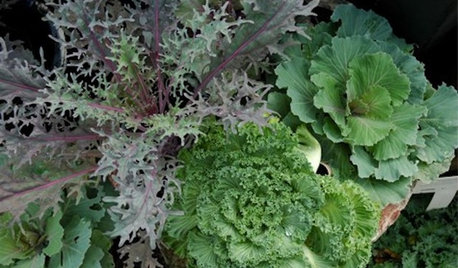
WINTER GARDENINGGreat Design Plant: Ornamental Cabbage and Kale
Yes, you can actually eat them. Or you can just marvel at their striking, unusual foliage during all four seasons in the garden
Full Story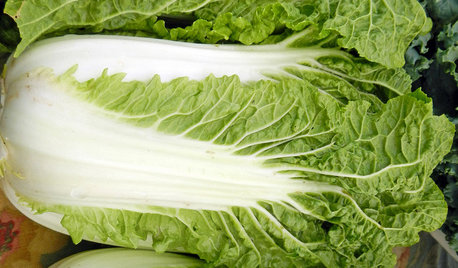
COOL-SEASON CROPSCool-Season Vegetables: How to Grow Chinese Cabbage
Napa cabbage, pak choi, bok choy — no matter what you call it, this edible is a good candidate for fall and spring gardens
Full Story0
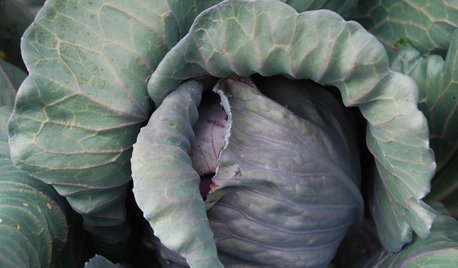
COOL-SEASON CROPSCool-Season Vegetables: How to Grow Cabbage
Give soups and stews an unbeatably fresh flavor with this ever-popular fall garden favorite
Full Story
FALL AND THANKSGIVINGStyle Recipe: Mantel Decor From the Grocery Store
Create a quick and colorful fall display using artichokes, clementines and cabbage
Full Story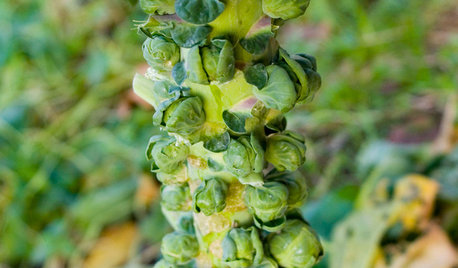
COOL-SEASON CROPSCool-Season Vegetables: How to Grow Brussels Sprouts
If you love 'em (you know who you are), fall and spring are the right times for planting these veggies in your edible garden
Full Story0
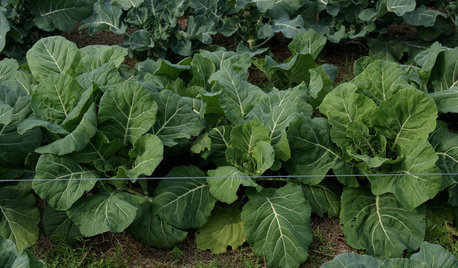
COOL-SEASON CROPSCool-Season Vegetables: How to Grow Collards
Look out, spinach. For fall and spring gardens with a little heat, collard greens may be the better choice
Full Story0

THE ART OF ARCHITECTUREWinning Designs: The Best New Houses in Australia
The 2018 Houses Awards honor a new batch of creative designs in Australia’s homes, additions and apartments
Full Story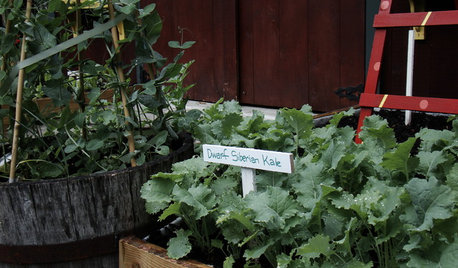
EDIBLE GARDENSCool-Season Vegetables: How to Grow Kale
This leafy green superfood is also a superhero in the garden through fall chills and winter snow
Full Story
FURNITUREMeet the Quick-Change Artists of Interior Design
Are you missing a great little stool, ottoman or bench? Just look at the ways they can adapt to what you need now
Full Story
lindac92Original Author