

Yeast amount - cold ferment pizza dough
6 years ago
Featured Answer
Sort by:Oldest
Comments (19)
 6 years agolast modified: 6 years ago
Related Discussions
Venturing into Yeast Doughs
Comments (36)I still have fingernails! It didn't really start rising until after 2 hours! I put a pan of hot water in the oven with it, and that helped. I wonder if buttermilk isn't a great liquid for dissolving yeast. The buttermilk was almost as thick as yogurt. I used half for the crumb cake and tried to shape the other half into balls for buns, but I could see it was too wet and would just meld together. So I put the other half in another pan and sprinkled coconut on top. I'm going to try to recreate what we called coconut buns growing up. They are glazed after baking. I'm letting them rise overnight in the fridge. I think they'll be all right. I just hope they taste good! I'd hate to waste all that butter, sugar, etc. But nothing ventured, nothing gained. If it's anything to be proud of, I'll take photos. ;)...See MoreYeast dough recipe - why COLD water?
Comments (12)This must be one of those exceptions to the rule ideas; but it's too bad they wouldn't have given a water temperature instead of using a term like "cold" for the proofing water. There is a substance - Gluthione - in wheat germ (therefore it's also in whole wheat flour when we use it) we have to concern ourselves with that breaks down the gluten - often resulting in short, squatty loaves of whole wheat bread. Glutathione is ALSO present in small amounts in yeast and can cause the same thing if yeast is dissolved in water that is too cool. Glutathione in yeast stays in the yeast UNLESS you use water cooler than 100-degrees F. for proofing, and the Gluthtione will leak out quickly causing the dough strength to be weakened, and MAYBE that's the result they want with this dough. It's even suggested that your flour temperature be at least 75-degrees F when adding it to the proofed yeast so you don't bring the temperature down too much. An important thing to remember if you keep flour in the freezer or refrigerator - bring it to room temperature before adding it. Another method is to use normal water temperatures for proofing, then add some crushed ice to the dough - after it's mixed well and just before kneading if you are trying to keep the dough cool while machine kneading. "Adding a little crushed ice to chill the dough just before kneading increases absorption of water for better gluten development." (source: CookWise - Shirley O. Corriher). -Grainlady...See MoreFleischmann's Pizza Crust Yeast
Comments (78)Tricia - That biga... gotta try it, thanks. Sounds like a viable solution while I work on my neverending quest to be able to plan a meal more than the morning of. What I find so interesting about pizza dough debates is that the ingredients rarely change. Like I said above, flour, water, yeast, salt. Maybe oil. From the site Ann linked, evidently sugar is a controvertial addition. I know my mom uses it; I do not. With such a short ingredients list, it's amazing what differing results people have. Obviously the treatment of these ingredients plays a huge part in the outcome. I also noted that while there were disagreements in the many comments following the article, in my quick skim I didn't notice a single one that discredited the benefit of a several day slow rise in the chill chest. The only time I tried a long rise was when Ann steered us to "Canadave's" recipe on the pizza making forum. IIRC, at the time she declared it the best crust ever. I guess she kept on experimenting despite having found the best crust, because these days her best crust is JC's dough. Good for her. Anyway, that was back in the day that I couldn't round out pie to save my life. Might be time to have another go at it. I'm pizza'd out right now, but in the next few days I'll stop by the place that IMO makes the best pizza I've ever had, anywhere, take a picture and post it. Though it's very close to home I don't go there often, probably not in a couple years. Too expensive and their use of a bag instead of box while probably environmentally friendly, results in a cold pie by the time it takes the short drive home. I find that annoying....See Morea few bread baking tips and the pizza dough recipe
Comments (33)I've been reading these and all of trailrunner's post. They are just great. All the hints were great. I bake bread out of boredom, I rarely use a recipe, for better or worse and like the wet doughs as well as quicker higher yeast doughs for pizza. Someday I'll get that "super peel" with the cloth belt thingy. I am forced to pre-cook my thin pizza crusts without one- My favorite bread is an olive bread that is made locally in the East Bay and sold now only at the local Berkeley farmer's market- you can go to their bakery, and they will sell stuff to you, but it's not a store front, no sales help, no hours- if they are there they'll sell it to you- they're also fresh pasta makers- 'Phoenix Pastificio'- if you're ever in the area. I've never tried to make that bread, it's almost Holy to me...( although I know he uses a biga and those black Kalamata olives). It has a thin almost black burnt crust, with large ciabatta holes to the crumb and flavor to die for....See More 6 years ago
 6 years ago
- 6 years ago
 6 years ago
 6 years ago
- 6 years ago
 6 years ago
- 6 years ago
 6 years agolast modified: 6 years ago
- 6 years agolast modified: 6 years ago
 6 years agolast modified: 6 years ago
- 6 years ago
- 6 years ago
- 6 years ago
- 6 years agolast modified: 6 years ago
- 6 years ago
- 6 years ago


Related Stories
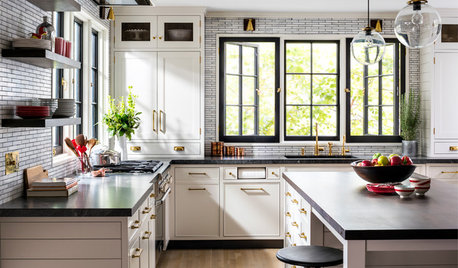
TRENDING NOWThe 10 Most Popular Kitchens of the Week From 2018
Features like cozy eat-in spaces, baking stations and a pizza oven inspired many kitchen renovation plans
Full Story
GREEN BUILDINGThe Big Freeze: Inventors Break New Ground to Keep Things Cool
Old-fashioned fridges can be energy guzzlers, but there are more eco-friendly ways of keeping food fresh, as these global innovations show
Full Story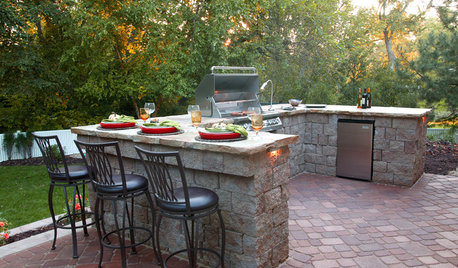
OUTDOOR KITCHENSYour Guide to Grills and More for Great Outdoor Cooking
Learn the pros and cons of gas versus charcoal grills, and about neat add-ons that let you do more
Full Story
LIFESimple Pleasures: The Joy of Baking
Fill your house with a heavenly scent and your heart with cheer by making time to bake
Full Story
PETSPet-Proofing Your Home: A Room-by-Room Guide
Not all pet dangers are obvious. Keep furry friends safe and sound by handling all of these potential hazards
Full Story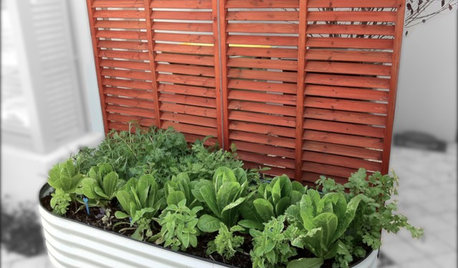
FEEL-GOOD HOME21 Ways to Waste Less at Home
Whether it's herbs rotting in the fridge or clothes that never get worn, most of us waste too much. Here are ways to make a change
Full Story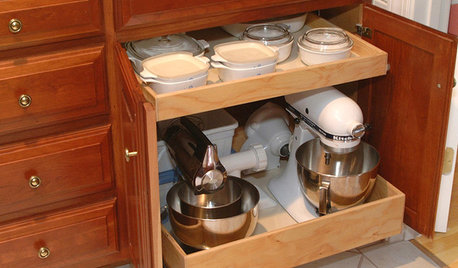
KITCHEN APPLIANCESConsidering a New Kitchen Gadget? Read This First
Save money, time and space by learning to separate the helpers from the hassles
Full Story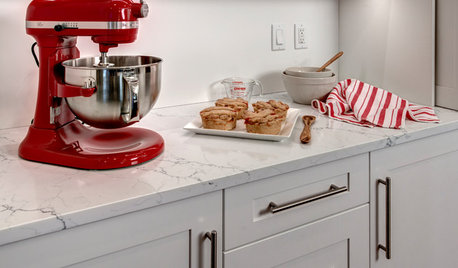
SHELTERING AT HOME15 Essentials for the Baker’s Kitchen
You can turn out delicious home-baked goods with ease when you own these utensils, tools and pans
Full Story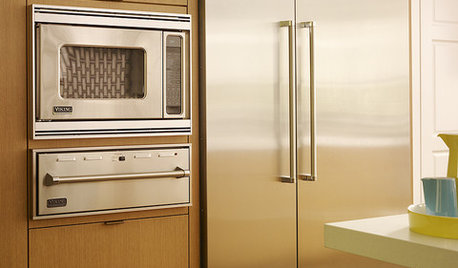
KITCHEN DESIGNA Cook’s 6 Tips for Buying Kitchen Appliances
An avid home chef answers tricky questions about choosing the right oven, stovetop, vent hood and more
Full Story
KITCHEN DESIGN20 Kitchen Must-Haves From Houzz Readers
We asked you to tell us your top kitchen amenities. See what popular kitchen features made the list
Full Story


Cloud Swift