

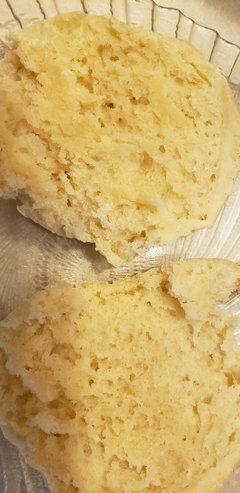
Bread, dough rising question
6 years ago
Featured Answer
Sort by:Oldest
Comments (20)
 6 years ago
Related Discussions
How does hydration %age affect bread dough?
Comments (6)There is so much information out there and some of it contradictory so it does get confusing. It is really going to depend on what type of bread you are making. Almost all the bread I make is the more "artisan" style, including sourdough versions. So my comments are based on my own experience. The more hydrated the dough, the more open the crumb. I like the 68% to 72% for the crumb which gives me just the right amount of holes. The bread is still good for sandwiches and for toasting. On the other hand, I also like to go up to 80 - 82% sometimes. 68% to 72% is perfect for same day baking as well as going into the fridge for a longer cold fermentation. If I go with the higher hydration of 78% and up, then I always let the dough rise in the fridge at least overnight if not longer. And I'm using substantially less yeast than I use to. As an example Julia Child's baguette recipe calls for 2 1/4 teaspoons of yeast in 3 1/2 cups of flour. I use less 4 to 5 g of yeast in 1000 g of flour, (more than six cups) and 7g in 1500 g of flour (over 10 cups). I haven't found that my bread rises faster with more water, but that might be because of the reduced yeast. ~Ann Edited to add link. Here is a link that might be useful: Crumb This post was edited by ann_t on Wed, Oct 29, 14 at 11:18...See MoreHelp/Suggestions? My Dough Isn't Rising
Comments (29)Ok...here goes again :) You can't ever ever substitute RAPID RISE for anything else...never. The recipes that call for it have taken its specific properties in to consideration and the final product will be a result of this. ADY or Active Dry Yeast and Instant Yeast are interchangeable. The only difference is the amount you use. 20% less instant and you MUST activate ADY with warm water , you do not need to activate instant. I will cut/paste this info and attach a link from The Fresh Loaf. Hope this finally clears up the confusion. The reason annie has not had a problem with a too fast rise is , as she says, she has not use Rapid Rise. "Active Dry Yeast This is probably what comes to mind when you think of yeast. It's dry and granular, about the consistency of cornmeal. To use it, you dissolve a few teaspoons in warm water (110-degrees or cooler) and then add it to the rest of the ingredients. This yeast will behave 'typically' and will give your dough two rises. Instant Active Dry Yeast This is also known as "bread machine yeast." This yeast is milled into finer particles and it does not need to be dissolved in water like active dry yeast does so you can add it along with the dry ingredients. This yeast also gives you two separate rises and it can be used interchangeably with active dry yeast. Measure out the same amount of yeast and skip the water-activation step. Rapid-Rise Yeast This yeast has also been milled into smaller particles so that it doesn't need to be dissolved into water. In addition, enzymes and other additives are included to make the dough rise faster. With this yeast, you can skip the first rise of the dough and shape the loaves right after kneading. What you save in time, you lose in flavor and structure. Your final loaf will be fairly bland and commercial tasting, with a tight, uniform crumb. Since it behaves so differently, this yeast cannot be substituted for either active dry or instant active dry yeasts. Fresh Compressed Cake Yeast This is the kind of yeast that commercial bakers tend to use. It's a solid block with a clay-like consistency, is more dependable, and dissolves easily. However, it's 2-week shelf life makes it less ideal for home bakers to use (the granular yeasts above have a shelf-life of about a year in the fridge). If you want to try fresh yeast, use twice the amount of fresh yeast as dry yeast called for in the recipe." Here is a link that might be useful: The Fresh Loaf yeast FAQ...See Morea few bread baking tips and the pizza dough recipe
Comments (33)I've been reading these and all of trailrunner's post. They are just great. All the hints were great. I bake bread out of boredom, I rarely use a recipe, for better or worse and like the wet doughs as well as quicker higher yeast doughs for pizza. Someday I'll get that "super peel" with the cloth belt thingy. I am forced to pre-cook my thin pizza crusts without one- My favorite bread is an olive bread that is made locally in the East Bay and sold now only at the local Berkeley farmer's market- you can go to their bakery, and they will sell stuff to you, but it's not a store front, no sales help, no hours- if they are there they'll sell it to you- they're also fresh pasta makers- 'Phoenix Pastificio'- if you're ever in the area. I've never tried to make that bread, it's almost Holy to me...( although I know he uses a biga and those black Kalamata olives). It has a thin almost black burnt crust, with large ciabatta holes to the crumb and flavor to die for....See MoreBread rising times and possible adjustments
Comments (8)Time is the worst measure for rise. It's supposed to be a guide for when to check the dough. Rather than worry about times, it's best to pay attention to the quality and height of the rise. As you've noted with your pictured loaf, when the loaf over-rises, the dough can overflow the pan, give you floppy ears, and soften the structure. A big effect on rise times is temperature. Too cool a room and the rise could take double as long. Too warm, and it puffs up before the dough has a chance to mature properly. Autolyse, that soak thing, will improve texture and flavor and, especially with whole wheat, improve the rise. When it gets wet, the gluten starts to develop, so it's ready for action when the yeast starts to burp. It's best to do the autolyse with just the flour and water, but some do it all together. Kneading also encourages the gluten to develop. OTOH, the salt, milk and fat can discourage the rise, so the soak gives the yeast a chance to multiply before you go pounding out the gluten. It's all complicated and your best measure is how your previous loaf with the same recipe came out. But the times? Usually, with white flour, one goes for double the volume. For denser whole wheat, 1.5 times volume is common. I've never made your kind of enriched 100% ww, though I've made plenty of enriched and plenty of whole wheat. The enrichment (eggs, fat, etc.) gives you a lot of the softness. I'd guess that double would be good for that, too. With a puffy bread like that, a good punch down and tight roll or draw often helps with the spring, too. I'm not an expert in the science. I've baked bread all my life and a lot of it is instinctive to me, and I only get into the science when I toss away T&T recipes for the wild west. If you want real expertise, I suggest The Fresh Loaf....See More 6 years ago
- 6 years ago
 6 years ago
 6 years ago
- 6 years ago
- 6 years ago
- 6 years ago
- 6 years ago
- 6 years ago
- 6 years ago
 6 years ago
- 6 years ago
- 6 years ago
- 6 years ago
- 6 years ago
- 6 years ago
- 6 years agolast modified: 6 years ago
- 6 years ago


Related Stories

ENTERTAININGGuess Who’s Coming to Dinner: The Rise of Supper Clubs
Would you invite strangers into your home for a meal? We visit cooks in London, Rome and Stockholm who are doing this and we get the story
Full Story
KITCHEN DESIGNKitchen Ideas for Bread Lovers
Any way you slice it, a kitchen designed with bread in mind conveys warmth and homeyness
Full Story
REMODELING GUIDESConsidering a Fixer-Upper? 15 Questions to Ask First
Learn about the hidden costs and treasures of older homes to avoid budget surprises and accidentally tossing valuable features
Full Story
REMODELING GUIDES6 Tricky Questions to Ask When Planning Your New Kitchen
Addressing these details will ensure a smoother project with personalized style
Full Story
KITCHEN DESIGNKitchen Luxuries: The Wood-Fired Pizza Oven
If you love homemade pizza and are (ahem) rolling in dough, a wood-burning oven may be just the right kitchen investment
Full Story
KITCHEN DESIGNA Cook’s 6 Tips for Buying Kitchen Appliances
An avid home chef answers tricky questions about choosing the right oven, stovetop, vent hood and more
Full Story
KITCHEN CABINETS9 Ways to Save Money on Kitchen Cabinets
Hold on to more dough without sacrificing style with these cost-saving tips
Full Story
LIGHTINGHow to Choose Color Temperature When Buying LED Lightbulbs
Should you get warm or cool bulbs? To find out, answer these 5 simple questions about how you live and work at home
Full Story
LIFESimple Pleasures: The Joy of Baking
Fill your house with a heavenly scent and your heart with cheer by making time to bake
Full Story
KITCHEN DESIGNHow to Create a Dedicated Baking Station
Avid bakers love having a designated kitchen space. Here’s what to consider when planning yours
Full Story
Rosie