

Microgreens questions
6 years ago
Featured Answer
Sort by:Oldest
Comments (34)
- 6 years agolast modified: 6 years ago
Related Discussions
Distance of lighting for microgreens (newbie)
Comments (12)Thanks zensojourner - hadn't thought temp under the light would be an issue since I thought the T8's didn't give off a lot of heat. But I suppose at a distance of a few inches from the plants that could still be a problem. Took the temp underneath and it ranged between 68F to a high of 90F. The lower temps I'm sure were recorded when the lights were off. But those temps seem within for growing basil, so not sure if that is an issue or not? I've included a more recent photo of the microgreens - they are coming along much better now that I've been adding some nutrients. Finally getting their first true set of leaves and will be ready to harvest! It just took forever (31 days and counting), so I guess I'll improve the lighting to T5's from T'8s if I want to expedite. This post was edited by Rgrow on Mon, Dec 1, 14 at 10:41...See MoreMicrogreen experiment update
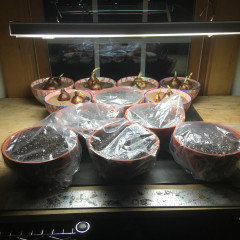
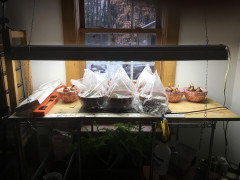
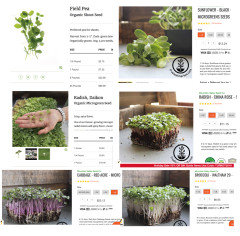
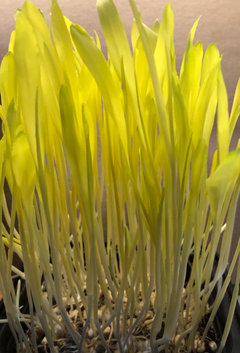
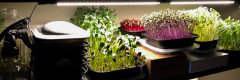
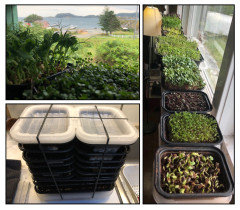
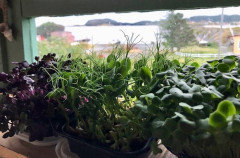
Comments (8)Looks good! Some successes. The top pic has a fast grow and proper density of seed. The others look waterlogged and the chard is sooo slow growing and not enough seed. Too wet. let them dry out to almost light by weight trays. A small fan on low will help. I plant all seed on TOP of the soil, then tamp down to get good contact. Very different than gardening outside. Seems counterintuitive but very different growing conditions indoors. Your spicy mixes, like behind the clay pot in the clear 'shoe bin', looks good...tiny seed so you hit the proper density. The peas could all be in one tray, not three. They get woody fast if too far apart. Learning curve. Proper density they grow tight together and that density creates very tender stems. (less light hits the stems.) Top growth needs light, stem and bottom growth does not. like baby greens, mesclun, the top growth forms a canopy. The stems are very void of light. (tender stems) What is the grassy stuff in the clay pot? Looks like wheatgrass or corn. Only good in a blender drink. Way too tough for salads. Corn needs absolute darkness to be prime edible. Void of all light. Covered by a cardboard box. Commercial growers use a dark chamber with humidity controlled like a big non-cold fridge. Don't give up on ones that don't pan out. On the Johnny's site, click on the 'fast growers' button. Not to necessarily purchase but to get to know what 'grows fast'. ^ It is on the sidebar of the micro green page....See MoreMicrogreens questions (Sleevendog?)
Comments (55)Lots of flavor, right? I've had to ramp up tray production since we snip a couple trays then add some lemon and bit of feta...DH will eat the entire salad well before dinner so I have to make another. Great food value. Not much need for dressings. Like recipes and different ovens, your humidity and home environment will be different....just getting used to the time under weight and how much water you need... The weight during germination is key. Some friends/co-workers would hear a thump when the rock/weight would roll off onto the floor or counter in the middle of the night. The weight gives good contact with the soil so the roots go down not up and sideways...that may be what your middle tray did. Seed density matters. Start a radish tray with more seed than seems needed. Spread them out. Pack down. Date and label. ( I have a sensitive scale) ...but can eye-ball now with my special scoop tool. My perfect method in my home will not be exactly perfect for others homes. Similar with fermentations and your natural yeast in the air...trouble shooting as always....See MoreQuestions about growing greens indoors in containers?
Comments (11)PM2, as you alluded to in your previous comment, maintaining strict organic protocols when gardening in containers may produce less than satisfactory results. Organic ferts require a healthy and active soil biology to be converted to plant accessible forms and soil-less potting mixes just do not offer an environment conducive to these populations. Including garden soil or compost with the potting mix could help, although I'd caution against using soil as the particle size is too small and will lead to drainage and aeration issues. Compost is slightly better as it tends to be more textural and fluffy but should be used in moderation (a small percentage of the mix) and is a single season ingredient at best. You will want to discard the soil after harvest. The second issue is that few if any organic ferts contain a full range of necessary plant nutrients so without access to a mineral-based garden soil or a compete synthetic fert, your plants will be nutritionally deprived......not just for your consumption but for their own health and vitality. I have never seen any studies that evaluate the nutritional differences of crops involved with soil-less growing versus insoil plants but hydroponic farming is becoming a big deal.....at least on a small scale :-) Heck, there isn't even any scientific consensus that organically grown produce tastes better than conventionally grown crops or that they are nutritionally better for you. The jury is still very much out on that topic....See More 6 years ago
 6 years agolast modified: 6 years ago
 PRO6 years ago
- 6 years agolast modified: 6 years ago
- 6 years agolast modified: 6 years ago
- 6 years ago
- 6 years agolast modified: 6 years ago
 6 years ago
- PRO6 years ago
- 6 years ago
- 6 years ago
- 6 years ago
- 6 years ago
- 6 years agolast modified: 6 years ago
- 6 years ago
- PRO6 years ago
- 6 years ago
- 6 years ago
- 6 years ago
- 6 years ago
- 6 years ago
- 6 years ago
- PRO6 years ago
- 6 years ago
 6 years ago
- 6 years ago
- 6 years ago
- 6 years ago
- 6 years ago
- 6 years ago
- PRO6 years ago

Related Stories
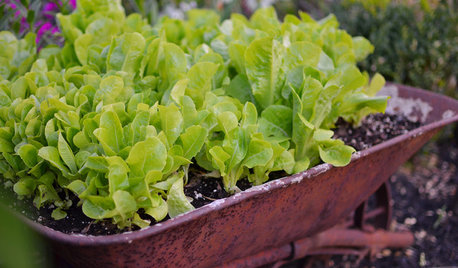
FARM YOUR YARD10 Easy Edibles to Grow in Containers
These herbs, vegetables and fruits are just as happy in a pot as they are in the ground
Full Story
REMODELING GUIDES12 Predictions for Architecture in 2013
Nature showed its might, and small spaces began to seem more right over the past year. How will architecture for everyday homes respond?
Full StoryFARM YOUR YARDCool-Season Vegetables: How to Grow Lettuce
Leaf, butterhead, crisphead or romaine — lettuce is best harvested in the cool weather of spring and fall
Full Story
EDIBLE GARDENSHow to Grow Your Own Sweet Summer Crops
This guide will help any gardener get started on growing the freshest warm-season veggies and berries for summer
Full Story
sleevendog (5a NY 6aNYC NL CA)