

Odd answer to question to tax preparers
7 years ago
last modified: 7 years ago
Featured Answer
Sort by:Oldest
Comments (39)
Related Discussions
Preparing skimmer & filterfalls for winter....
Comments (7)I can tell you what I had done last winter, but keep in mind it was my first winter with a pond so it might've just been beginner's luck. My pond is a 9' - 10' irregular-circle, about 2' deep (at the time) with a 6' or 7' stream fed by a filterfalls (setup kinda similar to yours, but without the upper pool), and probably 700-some gallons with 50+ goldfish and a 9" koi. Pump put out 1500 GPH or there-abouts, and the weir on my filterfalls is about 16" wide. I had heard a lot of conflicting information about shutting things down or keeping it running, so I had decided to see for myself and kept it running for most of the winter. For the majority of the time I didn't have a problem keeping the pump running . . . the pond would freeze up and there would be ice on the stream, but underneath the water was still flowing and the ice never got heavy enough to affect the water flow into the skimmer - until we had that massive cold snap come through that forced me to shutdown the pump and add a bubbler (the stream froze completely and the water was flowing out on top of the frozen pond - "draining" the available free water and nothing I did could remedy that - adding more water, melting a hole at the bottom of the stream for the water to drain back through, etc). I left it this way throughout the rest of the winter (pump entombed in the frozen skimmer box, filter falls and pipes drained by gravity so most of the water out of the system), and it fared decently well, considering. I'm in Zone 6, in the Cincinnati area and at one point I had close to 6" of ice on my pond, mostly thanks to that cold snap - we had at least a week where the nights were at or below zero not including windchill. When spring started coming around I melted the ice out of the skimmer box and turned the pump on - nothing came out, so I proceeded to use hot water on the pipe in the skimmer to melt the ice in the pipes and that's all it took to get the water flowing again (2" PVC pipe) - however shortly after that the pump kept tripping the GFCI breaker after running for a minute or two. Some quick field repairs (clean the pump, check the impeller, etc) would work for a while, but I did find out that the electrical cavity on the pump had gotten filled with water, so I believe that having the pump frozen like that either affected the seals or forced water past them and was causing my problems. The fish all survived through the winter, too. This year I'll also keep it running, but if it gets too cold and I need to turn the pump off, well then I'll pull it out and bring it inside so that I don't have to replace another one. Course this time I've got a mag-drive pump so it would probably fare better than the last one (I don't recall who made the broken pump)....See MorePreparing Bulbs For Potting - Part 2
Comments (24)Thank you, everyone! I am very pleased that many are able to take away some good information and ideas from my shared photo series! I clean my small paintbrushes with anti-bacterial dishsoap, and I scrub pots and saucers prior to using them. In the interest of space and time, the more small and obvious details have been left out. The small paintbrushes usually come in packages of 3 or 4 different sizes... perfect for use with the different powders I apply when potting bulbs. Any chemical, no matter how harmless, should be used with care. It goes without saying that you should be careful when applying anti-fungal powders or liquids, or any rooting hormone powders. Always read the directions prior to use, as with any product you'd use for household or garden. Read labels carefully, and decide for yourself if these are products you can handle. As with anything else, proper use and clean-up is important after you are finished using products. These things go without saying to most of us, who are seasoned gardeners, or who at least have handled household and/or garden products before. If you wanted to get really technical, you could ask the manufacturer of garden products to send you a copy of the Material Safety Data Sheet, or MSDS, for the product in question. Personally, I don't find the need to go overboard... I simply take precautions, and use common sense when handling certain products. Hazmat is short for hazardous material... it's one of the endorsements on my CDL. Since Captan and other anti-fungal products are sold retail at garden centers everywhere, I find them no more hazardous than any other chemical sold for use by private citizens. Again, simply employ common sense, and there will be no problems. This particular forum is my home on the internet, too, and most of the inhabitants are my online family! I came here to ask a few questions about my large Minerva bulb, and everyone was so nice and helpful, I kept coming back. I think it would be very difficult to find a better group of gardeners, or a nicer group of people! :-) One of the things I've been experimenting with since beginning bulb collecting is finding the perfect medium for my environment. I need a medium that will drain quickly and dry out in a decent amount of time. I grow indoors, but I have the changing temperatures, sunlight, and humidity of the changing seasons to contend with. I have found that a more inorganic approach works best for me. My favorite medium consists of pine bark fines, turface, perlite, and a few other minor additions. It's very close to a bonsai medium sold by a company on the east coast... New England Bonsai Gardens. The small bags of medium they sell are rather expensive, and they don't contain enough medium for my needs. I've been searching for the main ingredients in bulk, so I can mix my own. Maria, it would be wonderful to see the Amaryllis Society of America make a comeback! It would even be nice to see a new society formed... whatever it takes to bring good information and a seed and pollen bank to the people. Certainly, there is a need for such a specialized society... there seems to be a good amount of interest, and a goodly number of growers these days! Interest in Hippeastrum growing as a hobby seems to be on the rise! Getting back to the 3 bulbs I just prepared and potted... I'd like to follow their growth through a series of pictorial threads, which will hopefully help our newest hobby growers to understand the cycles of these bulbs. I'm a fairly experienced grower now, and I'm also a frequent poster... if I can help by exploring all the aspects of Hippeastrum bulbs and their home culture through small pictorial threads, I'd like to. Stay tuned for more, then! It's not yet spring, and the year is young!...See MorePreparing: Sell the home to pay for care or?
Comments (19)Wow, Im flattered that some have found my postings useful. Please note this will be kinda long, my apologies in advance. I think for the OP, this comes down to: wills and powers of attorney can indeed work for you and your parents, because they do give you a bit more flexibility over a Trust - at the increase of some time/hassle/expense. If you can deal with this, itÂll be fine. Setting up a trust does not always have to do with the size of the estate. For instance, we have set up a trust, because we don't have children and have selected two people who are less related to us than some others are, to be our heirs. Could we do this with wills? Absolutely. Would the estate, once both of us die, get settled as fast and as cheaply, if we did wills instead of a trust? Nope. Does the trust REDUCE the flexibility for the Survivor, once one of the original Trustors dies? Yes! It is absolutely an excellent idea for your parents to sell the house to pay for retirement expenses. We had to practically browbeat my widowed MIL to recognize reality and do the same thing. Medicare doesn't pay for LTC except in limited circumstances and for limited time (100 days). Medicaid is what 80% of the residents in nursing homes use, but you must spend down the assets, and the "lookback" period has increased dramatically, I believe. What many people don't realize -- we didn't until we actually had to deal with the death of my MIL's husband and then with the house sale four years later -- is that there are some very real disadvantages to Revocable Trusts. A poorly written trust, IMHO, is worse than useless; it is a waste of money. Each RT should be an individually crafted document to suit not only your aims and assets and tax situation, but also your family situation. So obviously, this is a LIVING document. As your life and the lives of those named in your estate plans change, the legal documents should be kept updated! Unfortunately too many people do what my in laws did - set up a document without much knowledge about what they were doing, and then never looked at it again. So 25 yrs later when my husband's stepfather died, his portion of the estate became IRREVOCABLE. Unfortunately since they had not updated the contingent trustees or beneficiaries those lists were woefully out of date (and the others are right that anyone can be named a trustee. You could name me, a perfect stranger, but please don't: I would be happy if I never settled another estate again in my life!). It took some expensive legal review before we were able to craft a strategy to update those lists without a lot of trouble, time, and mandatory court appearance. Trustees do not get paid, BTW, unless the trust provisions provide for it. The only time they are paid is if there are no successor trustees available (everybody named has resigned, is incapacitated, or dead) so the courts must appoint a professional trustee. Executors of wills get paid a flat fee determined by your state laws, no exceptions. Many people do not realize that in a community property state like California, if you are not careful in the language used in a couple's Revocable Trust, when one of the original Trustors dies, the survivor is NOT always guaranteed full use of the now-Irrevocable portion of the estate! It is, in fact, quite common for trust language to state that the surviving Trustor is only entitled to the interest earned off the principal amount; or, interest plus reimbursement for health, education and maintenance, as long as principal is NOT invaded. I imagine this is because for so long, trusts were used almost exclusively by wealthy people to pass along assets to not only their children, but their grandchildren, etc. However, for most middle-class people, they would assume (at least, we did, but we were wrong!) that when one Trustor dies, the surviving Trustor is allowed full use of the "entire pot". But as it turns out, ONLY if the original trust allows it, is that true. In fact, my MIL's original trust had some very non-standard language in it, and she IS given the power to invade principal on her deceased husband's Irrevocable trust. The investment management firm we hired to handle her now-sizable amount of cash (from the sale of the house), mentioned just yesterday that they were very surprised that she has this right; they don't often see it in their clients' trusts documents! Needless to say, when creating our own RT recently, my husband and I included language to give the Survivor Trustor as much legal and financial leeway as possible over both portions. I would suggest once one of your parents dies, to see if at that point, you could convince the survivor (who MUST be still mentally competent) to create a trust. A trust with only one Trustor is a lot easier to deal with. Whatever happens, I do urge you to talk to a good estate attorney (expect to pay for the consultation) as well as a tax advisor, so that you have an idea of what the options are for you and your parents, depending on how things turn out. Having the knowledge beforehand is invaluable, rather than rushing around under an emotionally stressful situation, asking for advice and not being able to judge the quality of it, which can be dangerous. Good luck to you going forward. I hope everything works out for you and your family....See MoreTax deductions for donations
Comments (13)We have always kept a good tally of our deductions, and also tithe. We had been keeping those tallies for years, and giving as much as we could feel comfortable giving, and found out after the fact that we usually did not exceed the standard deduction. We don't hold a mortgage, and that could be why. Since finding that out (we have an accountant do our returns), I am more careful now on my timing for contributions, monies into an IRA, expenditures, capitol gains. I donate to charities/churches because I want to help them, but there is nothing wrong with also being able to use it to offset taxes if you can. I guess standard deductions are nice, but if you don't exceed them, even when you give generously, and others who don't give anything still get the same tax breaks......well, it sort of takes the hair off where fairness is concerned. I have been known to make phone calls to my accountant to ask "Is this a good time to buy capital equipment?", "Is this a good time to make a withdrawal from a deferred account?" It really helps to sit down at times other than tax time, to crunch your numbers after the fact and project what your tax liabilites will be or how you can plan deductions to your best tax benefits. Like you are doing, btw. But a lot of people don't. Always run your household finances, like it were a business....See More 7 years ago
 7 years agolast modified: 7 years ago
- 7 years ago
- 7 years agolast modified: 7 years ago
- 7 years ago
- 7 years agolast modified: 7 years ago
- 7 years agolast modified: 7 years ago
- 6 years ago
- 6 years agolast modified: 6 years ago
- 6 years ago
- 6 years ago
- 6 years ago
- 6 years agolast modified: 6 years ago


Related Stories

DECLUTTERINGCan’t Figure Out What ‘Sparks Joy’? Try This Question Instead
If you can’t decide whether to keep something or let it go, shift your perspective to find the answer
Full Story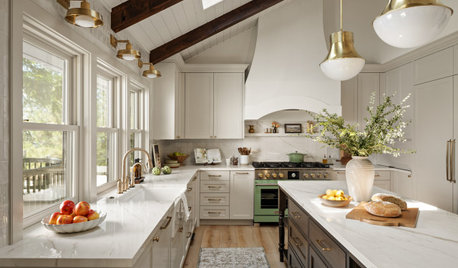
WORKING WITH PROS8 Questions to Ask Yourself Before Meeting With Your Designer
Thinking in advance about how you use your space will get your first design consultation off to its best start
Full Story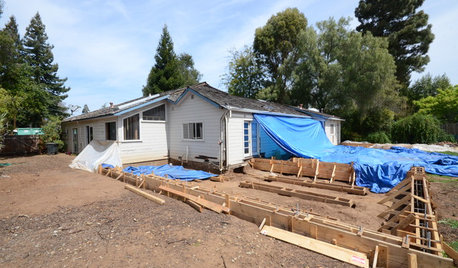
REMODELING GUIDESSurvive Your Home Remodel: 11 Must-Ask Questions
Plan ahead to keep minor hassles from turning into major headaches during an extensive renovation
Full Story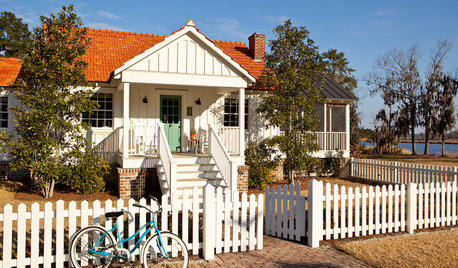
REMODELING GUIDESConsidering a Fixer-Upper? 15 Questions to Ask First
Learn about the hidden costs and treasures of older homes to avoid budget surprises and accidentally tossing valuable features
Full Story
SELLING YOUR HOUSE15 Questions to Ask When Interviewing a Real Estate Agent
Here’s what you should find out before selecting an agent to sell your home
Full Story
WORKING WITH PROS12 Questions Your Interior Designer Should Ask You
The best decorators aren’t dictators — and they’re not mind readers either. To understand your tastes, they need this essential info
Full Story
LANDSCAPE DESIGN10 Questions to Ask a Landscape Designer
Discover how to choose the best designer for your yard and avoid surprises down the line
Full Story
REMODELING GUIDES9 Questions to Ask Before You Plan Your New Kitchen
To get your dream kitchen, start with a strong mission and wish list, and consider where you’re willing to compromise
Full Story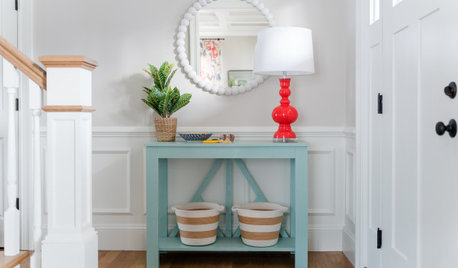
DECLUTTERING5 Questions to Overcome a Decluttering Roadblock
A professional organizer shares questions that can help you decide what to do with those items in your ‘maybe keep’ pile
Full Story
REMODELING GUIDES13 Essential Questions to Ask Yourself Before Tackling a Renovation
No one knows you better than yourself, so to get the remodel you truly want, consider these questions first
Full Story
Elmer J Fudd