

Who is listening?
7 years ago
Featured Answer
Sort by:Oldest
Comments (43)
 7 years agolast modified: 7 years ago
 7 years ago
Related Discussions
What are you reading? (Garden books & others)
Comments (74)In case anyone missed the PBS special The Botany of Desire which premiered Wednesday, October 28, 2009, you can still watch the entire program online. It's incredible. Book turned documentary. BOTANY OF DESIRE is a documentary which tells the utterly original story of everyday plants and the way they have domesticated humankind. An interpretation of the relationship between plants and people. This two-hour documentary explores plant evolution and takes viewers from the potato fields of Peru and Idaho, the apple forests of Kazakhstan, and the tulip markets of Amsterdam. View online in it's entirety: here This is another related program by the same presenter on LINK TV (a cable access channel) which is timely: Deep Agriculture Traditional methods of agriculture in most developed nations have long ignored environmental concerns. Factors such as soil erosion, water shortage and the impact of chemicals on bio-systems have been overlooked in favour of massive crop yields and cheaper food. But what impact does this have on our health and our environment? View online in it's entirety: here __________________________ Sit down with a cup of tea or coffee and witness the evolution of an Organic Kitchen Garden....See MoreElderly care & when to say enough
Comments (42)Our aging crisis: the need for a dignified death - September 14, 2013 : 6:14pm In his final published work, “Mortality,” written while succumbing to esophageal cancer, Christopher Hitchens captures in one sentence the unavoidable truth of the dying process: “I don’t have a body, I am a body.” No one understands this truism quite as well as journalist Katy Butler, who witnessed the prolonged process of dying that her once-formidable, war-veteran father underwent after suffering a stroke in 2001, devolving into dementia and then finally dying from pneumonia seven years later. As doctors pushed life-support surgeries, new medications and cutting-edge interventions, Butler and her mother didn’t pray for a cure. Instead, they wished for his death, all of which is chronicled in her troubling investigative memoir “Knocking on Heaven’s Door.” The “end-of-life crisis,” or as Butler calls it “the caregiver crisis,” has hit epidemic levels as the number of Americans over 85 doubled to 6 million since 1990. Baby boomers, like Butler, must now wrangle with what to do with sick elderly parents, asking questions of themselves they probably thought would never be fathomable: What can be done when a person lives too long? And has science gone too far in its mission to ward off death? Through her experiences with her father, Butler is unwavering in her answers. “Our optimistic science-worshiping culture wants to medicalize aging and make it nothing more than a collection of specific diseases that medicine can prevent or fix,” she writes. “But no matter what deal we make with the devil, nature outwits us. Dying can be postponed, but aging cannot be cured.” These are bitter pills to swallow and many might fall in the trap of citing Dr. Kevorkian, death panels, and agism in health care as reasons why these end-of-life conversations should never start. But Butler argues that this very fear, our culture’s unwillingness “to engage with death until it is in our faces,” is what has gotten us so deep in trouble in the first place. For example, 75 percent of elderly patients would rather die in their homes, yet 44 percent of them will die in hospitals, she writes. Last-ditch defibrillators, surgeries for incurable cancers and chemotherapy that only buys a few days continue to be the norm; while what she calls “Slow Medicine” �" home and palliative care �" remains on the fringes and is rarely covered by Medicare. Meanwhile, about a third of Medicare patients will have surgery in the last year of their life and a tenth will have a surgery done in the last month of life, she writes �" costing us an estimated $158 billion to $226 billion in medical overtreatment costs. But what is perhaps worse is the emotional and traumatic toll continual care for a dying relative takes on the survivors, which is the true core of her book. When Jeffrey, Butler’s hyper-intelligent Wesleyan history-professor dad, who lost his left arm while fighting in Italy during World War II, suffered a stroke at the age of 79, he was reduced to something much, much less: “With the memories, mind and reading comprehension of a highly educated 80-year-old; the spoken speech of a 4-or 5-year-old; and the physical dependence of a boy of 6.” He could comprehend his shortcomings, and it made him “miserable,” she writes. At one point, he even commented that he had “lived too long.” The stroke devastated not one, but two lives. “The day before [the stroke], my mother was a talented amateur artist and photographer, a woman of intimidating energy, and a spectacular housewife . . . After the stroke, she cared for my father the way she cared for my brothers and me when we were 3 or 4.” At 77, her mother had become one of the 29 million “unpaid, politically powerless, and culturally invisible family caregivers,” while Butler herself joined the 24 million baby boomers now tending to sick parents. When it became necessary for Jeffrey to undergo hernia surgery, his cardiologist suggested that they implant a pacemaker. The family agreed, unaware of the downsides of what was such an (they would only later find) unnecessary preventative treatment. Now, Jeffrey’s heart would tick on, long past his time should have been up. “Not having a pacemaker would not have guaranteed my father a quick or easy death,” she writes. “But having a pacemaker deprived him of his best chance for one.” Despite the surgery �" or perhaps because of it �" Jeffrey quickly got worse. Like about one third of those over 80, he suffered from dementia. His eyesight went, then his mobility. He began misspelling words. Then he began to see things that weren’t there. He became bladder and bowel incontinent. “I woke up some morning in a fury. Why had his doctors not let nature take its course? If the pacemaker had never been implanted, I thought, my father might well have been out of his misery, and so would my mother and me,” Butler writes. The family begged his cardiologist to turn off the pacemaker, but he refused. Other cardiologists refused, as well. In 2008, Butler’s father contracted pneumonia. Knowing that sending him to the hospital would only prolong his suffering with “life-saving” procedures, they avoided calling 911. He eventually became sick enough to be accepted into hospice care, where he finally died. Here is a link that might be useful: Our aging crisis: the need for a dignified death...See MoreAm I jealous? Too cynical? Or just annoyed?
Comments (3)Chuckling here.....nice post Cube....I like your touch of wry humor......what a single has to realize is tht the first thing they are going to do is be reminded by other single friends that THEY aren't available anymore and it's kind of a nya nya nya type of thing.....of course there are exceptions to the rule, but I would be willing to wager that she will be back on the single side before long, with her self centered attitude.......God makes sure we meet fools every day to reassure us that we are normal. The best way to deal with a fool is to ignore them...easy?....no....mind fulfilling?....absolutey!!...See MoreFor those who like to listen and or watch quilting shows online
Comments (3)TYVM as well, I hadn't seen her before, interestingly refreshing....See More 7 years ago
 7 years agolast modified: 7 years ago
 7 years ago
- 7 years ago
 7 years ago
 7 years ago
- 7 years ago
- 7 years ago
 7 years agolast modified: 7 years ago
- 7 years agolast modified: 7 years ago
- 7 years ago
- 7 years ago
- 7 years ago
 7 years agolast modified: 7 years ago
- 7 years ago
- 7 years ago
 7 years ago
 7 years ago
- 7 years ago
- 7 years ago
- 7 years ago
- 7 years agolast modified: 7 years ago
- 7 years ago
- 7 years ago
- 7 years ago
- 7 years ago
- 7 years ago
- 7 years ago
- 7 years ago
- 7 years ago
- 7 years ago
- 7 years ago
- 7 years ago
- 7 years ago
- 7 years ago
- 7 years ago
- 7 years ago
 7 years ago
- 7 years ago
- 7 years ago



Related Stories
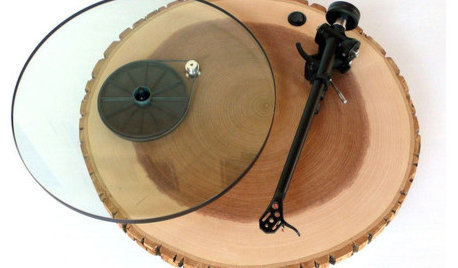
PRODUCT PICKSGuest Picks: Listen Up!
20 stylish turntables, radios and MP3 players to bring music into every room
Full Story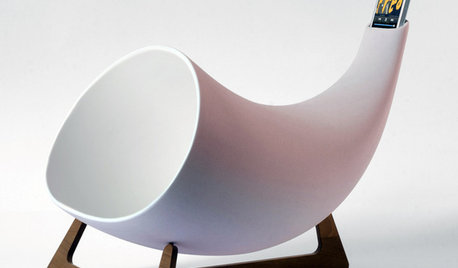
HOME TECH6 Sound Solutions for the iPhone Home
Listen up: An iPhone and one of these stylish audio systems let your music look as good as it sounds
Full Story
BEDROOMSRoom of the Day: A Teen’s Bedroom Branches Out
This room's global bohemian style includes a chandelier inspired by a trip to India, and comfy spots to play and listen to music
Full Story
LIFETime Travel to Houzzers' Childhood Homes, Part 2
Catch a glimpse of kit houses, bungalows, Tudors and more just as they were way back when — and listen in on the intriguing personal stories
Full Story
DECORATING GUIDESAdd a Dash of Downton Abbey Style
Oh, for a stroll through those gardens and a listen at the parlor door. Amid the opulence and intrigue, we find a few ideas to take home
Full Story
LIFESimple Pleasures: Put Your Records On
It’s cool to just relax on a recliner, delving deeply into tunes? Now that’s music to our ears
Full Story
HOME TECH3 Shower Sound Systems That Beat Your Clunky Old Radio
Stream music, radio and podcasts — and even take phone calls — right in your shower, with wireless and water-resistant sound systems
Full Story
WORKING WITH AN INTERIOR DESIGNER5 Qualities of a Happy Designer-Client Relationship
Cultivate trust, flexibility and more during a design project, and it could be the beginning of a beautiful alliance
Full Story
LANDSCAPE DESIGNBeautiful Noise: How to Create a Symphony in Your Garden
Take your surroundings to another level by introducing the element of sound with ground covers, water features and wind catchers
Full Story
Sales Secrets for Interior Designers
Pro to pro: Learn 3 proven techniques to please clients and increase revenues, developed by a designer with 40 years of success
Full Story
User