

Native plants, polyculture, permaculture.
7 years ago
last modified: 7 years ago
Featured Answer
Sort by:Oldest
Comments (407)
- 7 years ago
Related Discussions
Event: Oak Savanna Landscape Walk and Permaculture Discussion
Comments (1)Sorry I didn't find this sooner...how was it?...See MorePermaculture in a troubling location?
Comments (10)I could never eat bunnies! :-)I could imagine pet ones,but that doesn't really further susainability one bit.... With the tan oaks just removed from my driveway area, a lot more sun is coming through there. I want to try growing berries in the stumps. Any advice on that? I think we are going to focus on stormwater management and explore water catchement as well as improving our greywater system so that the water does not turn black anymore (We have a good book on that.) I'm going to experiment with planting guilds of natives just so that I can explore the natural relationships. We certainly can produce berries in the sunnier spots, if not on most of the property. We get our produce from a CSA anyway...and I have a community vegetable garden (small) up the street. In our remodeling, we are looking at choosing the most ecologically sensitive materials and methods we can determine. I can create a lot of good habitat in my yard. Probably, my best opportunity on this property is to concentrate on native revegetation and treat a lot of the place more like a Zone 5, which I get to learn from. In the next five years, I expect we'll move to a sunnier spot. For now, I continue to be taught by the forest. thanks for all your advice. Keep em coming!...See MorePermaculture with Natives
Comments (1)Violet, I had posted a similar question earlier. Do a quick look and you should find it. There were some excellent answers. One suggestion I have read about somewhere, I think in "Gaia's Garden," is to do a search for plant communities in Calafornia or the like. This will give you an idea of the natives that grow together in your area. Hope this helps. Mike Texas...See MoreSpreading Permaculture?
Comments (2)g'day seraphima, i go along with eric i don't preach it to people either, i/we just go along doing our permaculture thing so to say, and when people show an interest in the subject matter then we show them some of what we are doing and how it works and helps us produce without a lot of work. with pc people have got to want to change, they need to idenify their role in this changing planet, if that doesn't happen then they simply won't be told. from where i see things pc is losing on the world forum, there are still lots doing it but they are not sharing on the web like it was even up to a year or so ago (much in-fighting or politics if i may say). there is too much emphasis being put onto people having to pay hundres of dollars to do a course when all that is needed at best is that they buy a book on 'introduction to permaculture'. i have responded in some of the posts in this forum where questions have been asked on different aspects of pc, that is how i can see that i can promote pc, and keep it in the keep it simple silly (KISS) catagory. at present too much yuppyism has krept in and to be quiet open it turns people off. len mail len lens garden page...See More- 7 years agolast modified: 7 years ago
- 7 years agolast modified: 7 years ago
- 7 years agolast modified: 7 years ago
- 7 years agolast modified: 7 years ago
- 7 years agolast modified: 7 years ago
- 7 years agolast modified: 7 years ago
- 7 years agolast modified: 7 years ago
- 7 years agolast modified: 7 years ago
- 7 years ago
- 7 years ago
- 7 years agolast modified: 7 years ago
- 7 years agolast modified: 7 years ago
- 7 years ago
- 7 years ago
- 7 years ago
- 7 years agolast modified: 7 years ago
 7 years ago
- 7 years ago
- 7 years agolast modified: 7 years ago
- 7 years agolast modified: 7 years ago
- 7 years ago
- 7 years ago
- 7 years ago
- 7 years ago
- 7 years ago
- 7 years ago
- 7 years ago
- 7 years agolast modified: 7 years ago
- 7 years ago
- 7 years ago










Related Stories
FLOWERS15 Native Flowers That Attract Butterflies
By picking plants from this list that are right for your location, you’ll get colorful blooms and support pretty pollinators
Full Story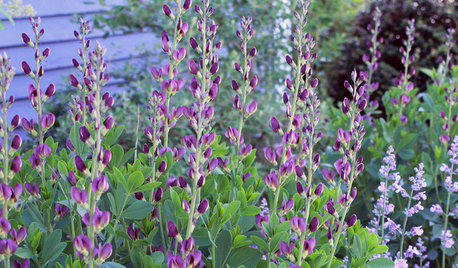
GARDENING FOR BUTTERFLIES7 Native Wildflowers to Make You an Awesome Butterfly Host
Offer the leaves of these and you’ll get more butterflies than with flower nectar alone
Full Story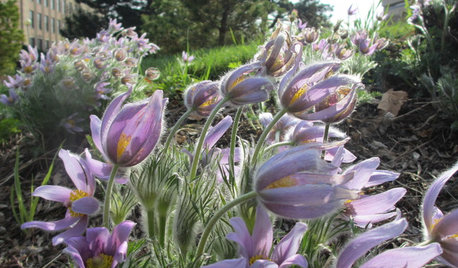
GARDENING GUIDES6 Plants That Beat Butterfly Bush for the Wildlife Draw
It's invasive, a nonnative and a poor insect magnet. Check out these better alternatives to butterfly bush in the garden
Full Story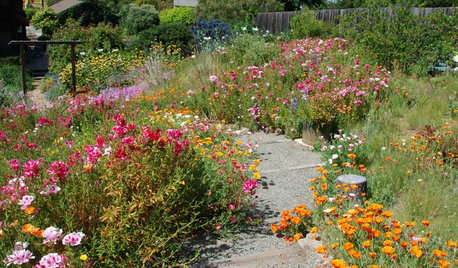
EARTH DAYHow to Design a Garden for Native Bees
Create a garden that not only looks beautiful but also nurtures native bees — and helps other wildlife in the process
Full StoryGARDENING GUIDESEvocative Plants to Awaken All the Senses
Slip into a garden wonderland that brings more than mere visual delight, by including these grasses, flowers and herbs
Full Story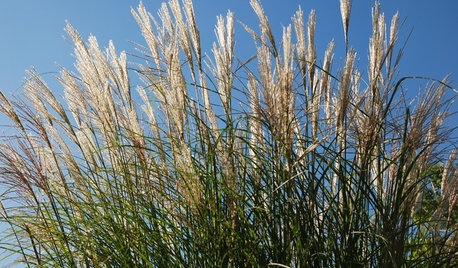
LIFEConsider Avoiding These Plants to Help Keep Your Garden Fire-Safe
Plants that accumulate dead material, are high in oil or have low moisture content in leaves put some homes at risk
Full Story
FLOWERS AND PLANTSEvoke the Mid-Atlantic’s Indigenous Landscape With These 7 Vines
Use these natives to fill gaps, create a shady cover or add a vertical element
Full Story
EARTH DAY12 Sustainable Gardening Ideas From Landscape Design Pros
Create a more earth-friendly garden by planting for pollinators, ditching pesticide use and more
Full Story
EARTH DAYAdd Layers to Garden Beds for Beauty and Sustainability
You can renew nature at home by filling in gaps with native plants and extending the bloom season
Full Story
GARDENING GUIDES8 Roses That Landscape Designers Love
See which beautiful and reliable rose varieties are favored by designers around the country
Full StorySponsored
More Discussions
dandy_line (Z3b N Cent Mn)