




Hawk Eating Bird Seed and Suet With Other Birds
Blue Onblue
5 years ago

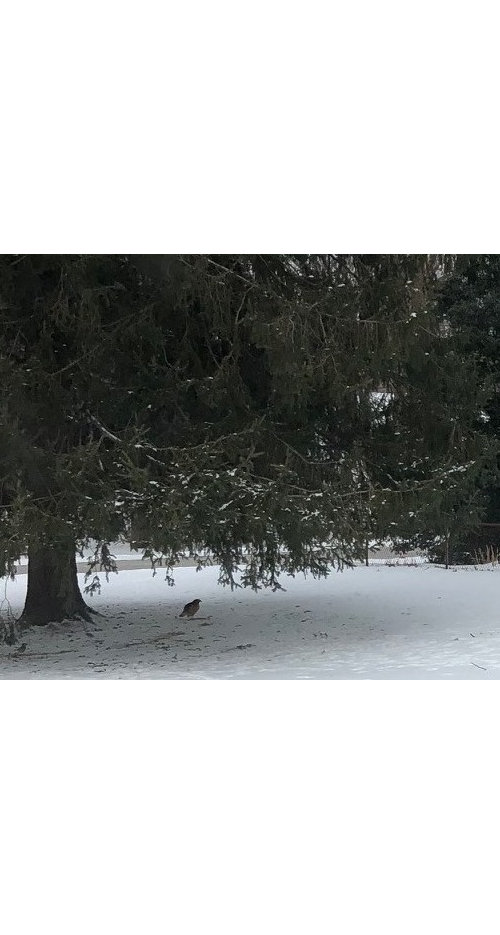
Featured Answer
Comments (6)

mr1010
5 years agoBlue Onblue
5 years agoRelated Discussions
Whip up some suet - the birds will love you for it
Comments (4)This winter is the 6th winter I've been feeding a small flock of Bluebirds a home-made suet or lard mixture. I melt the fat in a glass bowl in the micro, and then add peanut butter, nuts, flour, corn meal, ground eggshells, etc. The birds love it but the best thing is that it attracts the Bluebirds! If the Bluebirds show up, they get special feedings - I call them my "Boosies" and ask them if they want some "nuggies". (Yes, very silly.) This year there are more Bluebirds coming than any previous year. Some days only 4 will show up, but other days it looks like approx. a dozen. It's hard to tell exactly how many since they are swooping and flying around and perching on several different canopy trees and my bird-watching skills just aren't good enough yet....See MoreSuet feeders, recipe/ratios, warding off chicken hawks
Comments (16)I make my suet mixture using suet or lard. I melt the fat in a glass bowl in the microwave until liquid. Then I add crunchy peanut butter, which melts in the hot fat. Then I add the dried ingredients - corn meal, flour, oats (usually ground in blender), ground eggshells, crushed nuts, a little jam or jelly, etc. The mixture is about 1/2 fat, 1/2 dried ingredients - maybe a little more dried. I aim for a mixture that is the texture of Play-doh - it clumps together easily for the suet log, but also crumbles into pieces that I spread in a tray feeder. I made the suet log over 3 years ago out of an old red Pine log and glued lots of perches and branches. It did not have much bark on it - which is fine, except that over time the log has darkened quite a bit, perhaps because of the oils in the suet mixture. Also, most of the perches and branches have broken and fallen off. This birds don't seem to care. If you put perches on the log, this will enable many more birds to eat more easily. However, this isn't necessarily a good thing because with mine, it enables the Starlings and Blue Jays to hog the suet log, and it encourages House Sparrows. My suet log is pole-mounted with a squirrel/raccoon baffle, so nothing gets onto the log but the birds. Here's what the suet mixture looks like - Some Bluebirds on the suet log a couple years ago. They don't eat that much on the suet log any more, because I usually spread crumbles in a tray for them....See Morebirds not coming to suet feeder
Comments (20)I have an excellent book which someone gave me called "The Audubon Backyard Birdwatcher Birdfeeders and bird Gardens" by Robert Burton & Stephen W. Kress, published by the Audubon Society on Thunder Bay Press. (ISBN 1-57145-186-2) Not only does this book have excellent pictures of birds, it has dozens of plans on how to make bird feeders, nesting boxes, bird baths and how to plant a landscape garden to attract birds. There is one whole chapter devoted to bird feeds and what birds they will attract. In addition to the common seeds and suet mixes they have a long list of table scraps that are great for attracting birds. They suggest making a wire cage and put your meat scraps in it, especially the fats that your trim off cooked hams or beef in addition to ham bones, beef marrow bones and even teh leftover turkey bones. A few other things that i found interesting was cooked spaghetti, cooked rice, uncooked pastry dough, baked potatoes with the skin on and stale cheese. Out of curiosity I baked a potato in the microwave, then sliced it in half and put it on my shelf feeder. It was a big hit with all the birds. Another thing that the birds here seem to like is orange peels. I saw a Blue jay pick up and orange peel that was 1/4 of the orange and fly off with it. If anyone is looking for a great how to book on building bird feeders or bird houses or making their own bird feeds I would highly recommend this one, especially if you are making bird feed because I am a bit skeptical of the health concerns for the birds when i read the recommendations of some books, but I don't think the Audubon Society would steer us wrong....See MoreWill owls or other night birds eat suet??
Comments (4)How interesting .................... I don't know if I have flying squirrels or not, but this could very well be the culprit as "it" did not eat all the suet in one night, and there was no mess..................did not try to pull the plastic container out of the holder. I do have a tree very near the feeder. Thank you for this information....See Morecatherinet
5 years agoBlue Onblue
5 years agolast modified: 5 years ago
Wobr Bobr
5 years ago
Related Stories
GARDENING GUIDESBackyard Birds: Northern Cardinals in the Snow, and Other Red Birds
Brilliant crimson feathers make these friends stand out in a crowd
Full Story
GARDENING FOR BUTTERFLIESA Quick-Start Guide to Bird-Watching for Fun and Learning
Set out some seed and grab your field guide. Bird-watching is an easy, entertaining and educational activity for the whole family
Full Story
GARDENING GUIDESBackyard Birds: Healthy Home Habitats for Northern Flickers
These colorful woodpeckers found across the U.S. and Canada love berries, seeds and ants and often nest in deep burrows in trees
Full Story
GARDENING FOR BIRDSFeed the Birds: 6 Plants for Abundant Winter Berries
Be kind to your fair feathered friends during lean food times by planting a shrub or tree loaded with nutritious snacks
Full Story
GARDENING GUIDESBackyard Birds: How to Care for American Goldfinches
The American goldfinch is a bright-in-the-summer visitor and one of the only vegetarian songbirds. Here's how to give them a healthy habitat
Full Story
FLOWERS AND PLANTSGrow a Brilliant Seasonal Screen and Feed the Birds With Woodbine
Plant this fast-growing vine to green up a blank spot, add fall color and offer berries for birds
Full Story
GARDENING FOR BIRDSBackyard Birds: Meet Some Clever and Curious Jays
Boisterous jays provide plenty of backyard bird-watching in winter. Here’s how to identify all the varieties and welcome them into your yard
Full StoryGARDENING GUIDES13 North American Backyard Birds to Know
Find out about these enchanting native species and learn how to attract them to your yard
Full Story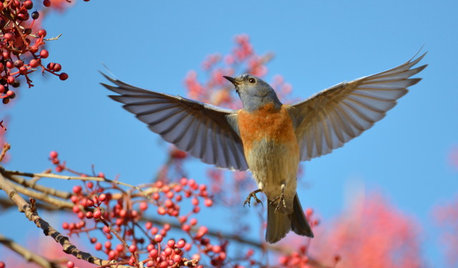
GARDENING FOR BIRDS2018 Is the Year of the Bird. See 3 Ways to Celebrate at Home
Learn about the global effort to protect our feathered friends, and how you can help
Full Story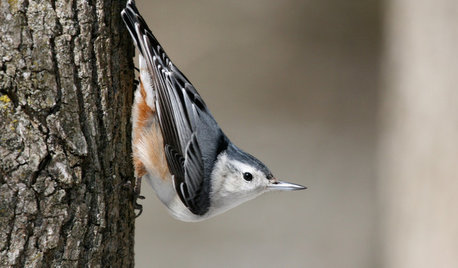
GARDENING FOR BIRDSBackyard Birds: Those Nutty Nuthatches
The North American songbirds, which often perch upside down, make themselves known in the winter landscape
Full Story
catherinet