

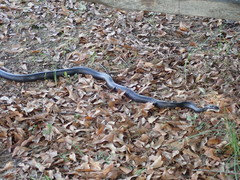
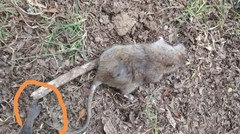
Please tell me this isn't what I think it is
7 years ago

Featured Answer
Sort by:Oldest
Comments (61)
Related Discussions
Please tell me this isn't what I think it is...
Comments (10)It's not scale, mealies, or aphids. The last two could have caused this condition when those leaves were very young however. It just may be the cold and too much water. Cut those damaged leaves out. More will grow in, use a very sharp exacto knife found at any art supply store. Or a single edged razor blade in a holder. It must be sterile. Scale is like little pin heads that appear as bumps on the leaves. Aphids, are white, black, yellow, red? and can just be washed off, and mealies are white fuzzy tiny little egg shapped things that can walk lay eggs and hatch about every 5 days. The males will fly. Soap and water will kill them and well as 50% alcohol. You may want to use a cotton bud (que tip) to attack them or spray it on. cut off those damaged leaves. This is a product that I use in the Spring, Bayer Advance Garden 2-in-1 Systemic Rose and Flower Care. Be sure to follow the directions, more isn't better. The plant is more at risk if grown indoors. I also suggest you cut back water this time of the year. Crassula ovata oozes out extra moisture if it can't handle it. If you have high humidity then don't water as well. My humidity is about 5% this time of the year, and I do not water. I have it growing in a very coarse mix, that I put together myself, mine are crowded into their pots, and they flower in December though the next few months. I let the soil dry out. July-Sept I cut the plant back in Oct.1 and fertilize often during it's growing season. I only repot when it outgrows it pot, and out the bottom hole. The plant will actually tell me when it needs repotting. I hope this has been of some help, this information is only a guide, use your own judgement what your plant needs, just grow them with common sense. Most succulents are grown the same way in the same soil mix the same amount of water and sun, all of the same requirements. Norma...See MorePlease tell me this isn't blight!
Comments (6)Pretty much any fungicide preventative will require that you spray fairly regularly, a week or less; Even more often if it rains because most labels suggest re-spraying plants after a good rain. And yes, that can be a lot of spraying if you have a good size garden and a decent growing season. The non-organic (Chlorothalonil based) fungicides are deemed to be safe, but due to the amount of spraying that needs to be done over a given season; I'd rather use an organic fungicide that relies on beneficial micro-organisms or other naturally occurring active ingredients. Of course, my reasons are my own and both ways have their merits. Both types of fungicides are deemed safe and have wide accepted use in tomato gardens - whichever way you choose to go, you'll do fine. Should you choose organic, I've heard the best results with alternating Actinovate and Serenade. Currently, I use just Serenade and do well on controlling disease - not always perfect, but good tasting home-grown veggies are my goal and I do pretty well there I think... It ain't broke so I don't plan on "fixing" anything :)...See MorePlease tell me this isn't a bed bug...
Comments (14)http://nature.gardenweb.com/forums/load/insect/msg1118080723099.html?6 It seems that it's a not a bed bug but we can't tell that for sure since the images are not clear. But here are some information I read online on how to identify a bed bug and bed bug infestations. 1. Look for black residue on your bedding, mattress, headboard, and box spring. This residue is actually fecal matter that bed bugs leave behind after they feed. Because bed bugs only feed on blood, the fecal matter is nothing more than dried up blood. This residue will typically look like small black magic marker dots. 2. Look for behind eggs and eggshells (generally tiny, approx. 1mm). They also shed their skin. 3. Use lighter colored bedding. It is definitely possible for you to react involuntarily by rolling or turning over in your sleep if a bed bug is crawling on you. If you so happen to crush the bed bug, it will leave a small blood stain on whatever it was crushed against. This is much more easy to recognize on lighter color bedding. 4. Bites are the most obvious symptom of a bed bug infestation. Bed bug bites are very similar to mosquito bites. The most common way to differentiate the two is the pattern. Bed bugs like to bite in a pattern that is a linear group of 3. This is commonly referred to as "breakfast, lunch and dinner." Bed bug bites are usually more itchy and longer lasting than mosquito bites. Bed bug bites can sometimes last up to 9 days. 5. Look for them when they're active. Bed bugs are generally nocturnal and come out between the hours of 2-5 AM. They prefer to feed closer to dawn, so if you happen to be awake during this time, it is a good time to look for bed bugs. The most effective tool in searching for bed bugs in your bed is a simple flashlight. Gently remove your comforter and sheets while you are still in the bed and check underneath for bugs, particularly beneath the folds around the mattress edges. Bed bugs are generally large enough to easily see with the naked eye - an adult bed bug that has recently fed is often compared to an apple seed in both size and appearance. Try to limit your motion as much as possible - moving might cause them to retreat into their hiding places. If you find a bug in your bed, don't jump to conclusions. Make sure you inspect the body of the bug very carefully. Immature bed bugs are a light yellow translucent color, while adults are a reddish brown color. Their life stages, from egg to adulthood, are said to be "from sesame seed to apple seed." Regardless of their life stage, they will be darker after they have fed. As a rule of thumb, bed bugs are generally smaller than 1/4 of an inch long. Bed bugs are oval, flat in shape and do not have wings. I hope these information helps you....See Morepossible Rose Rosette?
Comments (7)Rachel, Same opinion here, looks normal at this time, and very likely will continue to be normal. Just keep an eye on it. Unfortunately, we all must be diligent, and keep a constant lookout for signs of RRV. Moses...See More- 7 years ago
- 7 years ago
- 7 years ago
 7 years ago
 7 years agolast modified: 7 years ago
- 7 years ago
- 7 years ago
- 7 years ago
- 7 years ago
- 7 years agolast modified: 7 years agoraee_gw zone 5b-6a Ohio thanked ravencajun Zone 8b TX
- 7 years ago
 7 years agolast modified: 7 years agoraee_gw zone 5b-6a Ohio thanked carolb_w_fl_coastal_9/10
 7 years agoraee_gw zone 5b-6a Ohio thanked Richard (Vero Beach, Florida)
- 7 years ago
 7 years ago
- 7 years ago
- 7 years agolast modified: 7 years ago
- 7 years ago
- 7 years ago
- 7 years ago
 7 years ago
- 7 years ago
- 7 years agolast modified: 7 years ago
- 7 years ago
- 7 years ago









Related Stories

DINING ROOMSNew This Week: Proof the Formal Dining Room Isn’t Dead
Could graphic wallpaper, herringbone-patterned floors, wine cellars and fire features save formal dining rooms from extinction?
Full Story
DECORATING GUIDESIsn’t It Good, Nordic Wood: The Appeal of Pale Floors
From silvery ash to honey blonde or chalk white, light-toned floors hold the key to the pared-back simplicity of Scandinavian style
Full Story
KITCHEN COUNTERTOPSWhen One Countertop Material Isn’t Enough
Combining counter materials in the kitchen can create a dramatic look, improve function and stretch the budget
Full Story
LIFEThe Polite House: How Can I Tell a Construction Crew to Pipe Down?
If workers around your home are doing things that bother you, there’s a diplomatic way to approach them
Full Story
RUSTIC STYLEA Quirky Country Kitchen With a Story to Tell
Creative thinking goes a long way in this kitchen packed with love for family and old treasures
Full Story
SMALL KITCHENS10 Things You Didn't Think Would Fit in a Small Kitchen
Don't assume you have to do without those windows, that island, a home office space, your prized collections or an eat-in nook
Full Story

LIFETell Us: Do You Know How to Live With Your Parents?
If you've tried multigenerational living under one roof, we'd love to hear the details
Full Story
REMODELING GUIDESContractor's Tips: 10 Things Your Contractor Might Not Tell You
Climbing through your closets and fielding design issues galore, your contractor might stay mum. Here's what you're missing
Full Story
ARCHITECTUREDesign Workshop: Materials That Tell a Story
See how wood, concrete and stone convey ideas about history, personal taste and much more
Full Story


User