

Need help planning Native Borders
8 years ago

Featured Answer
Sort by:Oldest
Comments (6)
Related Discussions
Need conifer suggestions for border plan...
Comments (4)The woodland (I think) is predominantly Pitch Pine (Pinus rigida) and Scrub Oak (Quercus ilicifolia) with an understory of ferns and Clethra alnifolia. There is also an unidentified maple in there. I think the choices will blend well. I'm not sure if Rhododendron are native to this area, but many are used effectively as woodland transitions in my neighborhood. It's a great question! What do you think? Will the border truly 'blend in?' Here is the space You can see the ferns on the left and the Fringe Tree in the middle and the foundation plants near the house. Everything else is still on the drawing board. Lisa...See MoreNeed help with property border plants
Comments (16)If you want to plant all one thing, you might want to consider an informal hedge of bayberry - it suckers, it's native, it grows quickly, provides great habitat for birds, and is nearly evergreen. It might be too rowdy for you, depending on how formal your neighborhood is. It takes wind and hot sun in stride and, being so informal, won't look terrible if occasionally hit by the lawn tractor or nibbled by deer (if they like it, I don't have deer here so I don't know). Not to belittle arborvitae, but a pizza place a few miles outside of Falmouth planted a long row of them along the property line a couple of years ago. Over the course of the summer I watched them decline, a little at a time - probably lack of water, but I don't really know. The following spring, they were all dead; totally brown. Not to lose the investment they'd made, the pizza guys spray painted the corpses red, white and blue. It was the funniest thing I'd ever seen in terms of garden ... ingenuity, I guess. It was humorous to me, but probably not to the guys who planted them. Anyway, I think of them whenever I see a line of arborvitae now....See MoreNeeds design help with patio border
Comments (18)Yaardvark is really in love with multi-trunked trees. Makes it a little difficult on the shade-bearing side. Some options: redbud, thornless honeylocust (very popular shade tree due to having small leaves that don't persist, not usually multi-trunked but very "branchy" if that's a word) and one I used to great effect, musclewood, scientific name Carpinus carolinia. It was a surprisingly fast growing and great little shade tree for my last patio. Kousa or native dogwood. River birch. A whole mess of japanese maple varieties, but I am in love with "fireglow" which is redder and smaller than "bloodgood" but that's nice too. Many of my friends have planted and loved the red maple/silver maple hybrids like "Autumn Blaze." Not multi-trunked but gorgeous in the fall. Some kind of awesome magnolia. And for the kids, maybe an apple tree? Attracts bees though, but they are mainly interested in the flowers. But also attracts wasps later in the early fall if you don't keep the apple drops picked up....See MoreLandscape/border design help and critique needed
Comments (62)Or even try googling "big planters with shrubs" or "big planters with perennials." At least you could get some ideas of what look you like, then try to find plants that fit the bill. Nothing wrong with skip laurels, IMHO, if that's what you like. I'd try to find a plant that naturally stays the size I want without pruning. But I hate pruning. I love the magic carpet spirea for hedges, but not evergreen. But a lot of the season they have something interesting going on. I've also had good luck with dwarf varieties of arborvitae staying relatively small....See More 8 years agolast modified: 8 years agoUser thanked Kaillean (zone 8, Vancouver)
 8 years ago
- 8 years agolast modified: 8 years ago

Related Stories
LANDSCAPE DESIGNNative Plants Help You Find Your Garden Style
Imagine the garden of your dreams designed with plants indigenous to your region
Full Story
GARDENING GUIDESGreat Design Plant: Common Boneset Helps Good Bugs Thrive
Support bees, moths and butterflies with the nectar of this low-maintenance, versatile and tactile prairie-style plant
Full Story
FLOWERS AND PLANTSHelp Monarchs and Other Butterflies by Planting Common Milkweed
Summer-blooming Asclepias syriaca is an important larval host plant for the monarch butterfly and attracts a number of pollinating insects
Full Story
FLOWERS AND PLANTSHydrangea Arborescens Illuminates Garden Borders and Paths
This long-blooming eastern North American native shrub finds a home in landscapes around the world
Full Story
INSPIRING GARDENS7 Pollinator-Friendly Gardens to Inspire Your Summer Borders
Welcome birds, bees, butterflies and other beneficial insects with these favorite plants and smart design strategies
Full Story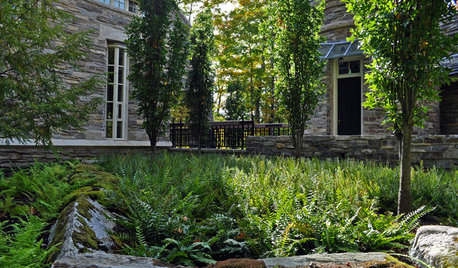
FLOWERS AND PLANTS8 Essential Native Ground Cover Plants for the Southeast
These low-growing ferns, shrubs and palms blanket the ground to help with erosion and soil moisture
Full Story0
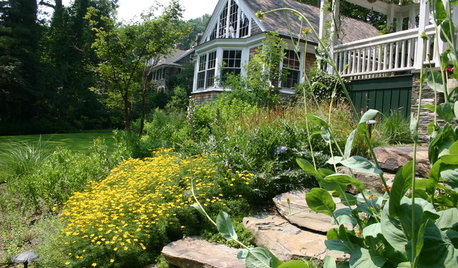
NATIVE PLANTS5 Ways to Keep Your Native Plant Garden Looking Good All Year
It’s all about planning ahead, using sustainable practices and accepting plants as living organisms
Full Story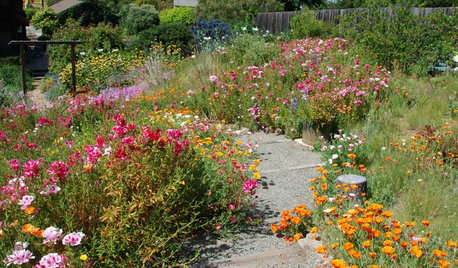
EARTH DAYHow to Design a Garden for Native Bees
Create a garden that not only looks beautiful but also nurtures native bees — and helps other wildlife in the process
Full Story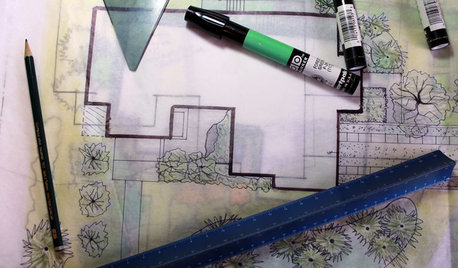
WORKING WITH PROSUnderstand Your Site Plan for a Better Landscape Design
The site plan is critical for the design of a landscape, but most homeowners find it puzzling. This overview can help
Full Story
LANDSCAPE DESIGNWhat the Heck Is a Ha-Ha, and How Can It Help Your Garden?
Take cues from a historical garden feature to create security and borders without compromising a view
Full Story
More Discussions
NHBabs z4b-5a NH