

Native Grasses in existing "lawn"
8 years ago
last modified: 8 years ago
Featured Answer
Sort by:Oldest
Comments (7)
 8 years ago
 8 years ago
Related Discussions
renovating existing lawn and expanding lawn
Comments (12)Here is a suggestion that may help. Normally, our Virgina soils are acidic. I would get a soil test done for your lawn and for this fall concentrate on adding any lime or fertilizer. I will tell you unless you want to do a lot of watering that starting new grass is not the best idea (gee, wonder how I know) with the rain deficit we've had this summer and fall. If you can core aerate or add compost, so much the better, but not a big deal either. Plan your garden beds and get those ready for the hostas. If you happen to run across clearance prices at the big box stores on fescue or shady mix you could throw that seed down this winter and I think you'd be surprised at how much comes up in the spring. Even with the delayed DST this year I think we've only got about 4-6 weeks left of good growing season. I'd concentrate on the soil this fall and next spring in preparation for lawn renovation next fall. Hope this helps....See Moresuggestions for native grass lawn
Comments (2)Thanks, any good suggestions on how to kill my old lawn? I noticed this morning that the soil on the lower slope of my lawn is damp despite many weeks of not watering it so death by drought may not be sufficient....See MoreHelp w/ changing 3 acres of native grass/weeds to buffalo grass
Comments (6)I must not have been very clear. Buffalo grass is a native grass in my area. It is mixed in with other grasses in pastures and prairie throughout the natural landscape. As our lot currently stands, the weeds (mostly tumbleweeds) have taken over any good prairie grass that is there. We are not planting the 3 acres to lawn, we are planting buffalo grass, which is something we can keep maintained, is native and does not need watered. We are planting over 150 trees and shrubs and plan on introducing a variety of planting beds throughout the property with native wildflowers and ornamental grasses. I feel like we are improving our landscape in a very responsible way and am simply asking for help doing this correctly. Our lot is across from a golf course and although it is in the country (our lot backs a pasture for grazing cattle and circle of corn) it does have to have the look of a manicured area. I frankly feel that people in this area are very good at removing invasive, although "native" weeds that cause a nuisance not only in the way the look but in the amount of water they suck from the ground, and therefore taking over the native grasses. People here plant buffalo grass, keep it mowed and don't water it, which is what we would like to do. Thank you all for your help....See MoreNative Grass Lawn?
Comments (6)Understand a bit about grass will help. There are two general types: the kind that grow in warm weather, like Bermuda and St. Augustine ("warm season"), and the kind that grow in cool weather, like Fescue ("cool season"). Water needs aside, Bermuda looks worst in the winter, because it's close to dormant in the winter. Fescue looks worst in the summer, because it's close to dormant in the summer. Some grasses grow in clumps that either don't spread at all, or spread a little. These are better behaved, but they don't repair themselves quickly when damaged by, for example, dog urine. Burns spots stay burnt for a long time. Fescue (for example) is more of a clumper. Spreading grasses, like St. Augustine, will rapidly repair dog urine burn spots because they spread, or "run", rooting and forming new plants as they grow. They are not as well behaved, because they can spread into plant beds. So it's a trade-off between control-ability and repair-ability. If you have small kids, nothing will replace a turf grass lawn. Nothing. It's the play surface of choice. Pets don't really care what they play on. My dog's play surface of choice is mud, of which there is none on our property. Some less thirsty choices are the UC Verde grass, or a hybrid, sterile (non-reseeding) Bermuda. Zoysia is also sometimes recommended, but it can spread and be invasive, so that is something to consider. It also turns brown without sufficient water. Hybrid Fescues are soft and a beautiful green, but they need more water. disadvantages of Zoysia, Zoysia vs. Bermuda, etc. Read and investigate and learn a little, it will help you with your choice. Hybrid grasses tend to be better performers, but more expensive, and may only be available to purchase as sod, which is more expensive than seed. The expense may be well worth the higher price, because in the long run, maintenance and watering of a lawn costs far more than the original purchase price. Look around and make sure whatever you choose is a good choice for your particular local area. California is a big state and what works in Claremont won't have the same performance in Santa Cruz or Napa....See More- 8 years ago
- 8 years agolast modified: 8 years ago
- 8 years ago
 8 years ago
Related Stories

LANDSCAPE DESIGNA Guide to the Grasses Available for Nontraditional Lawns
New grass mixes are formulated to require less water and less fertilizer
Full Story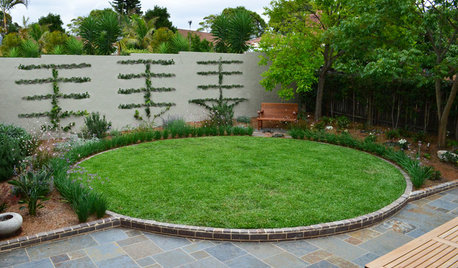
GARDENING GUIDESSmall Gem Lawns: More Impact From Less Grass
Instead of letting the lawn sprawl, make it a shapely design element in your yard. You’ll reap benefits both practical and aesthetic
Full Story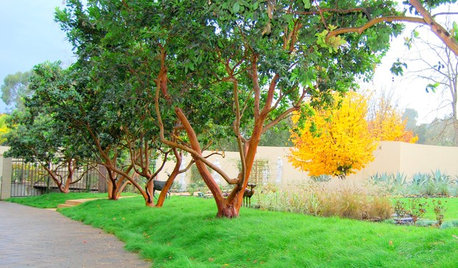
GARDENING GUIDES5 Great Grasses for a New Lawn
Learn about maintenance, wear tolerance, ideal climate and more for these top turf choices to pick the right one for you
Full Story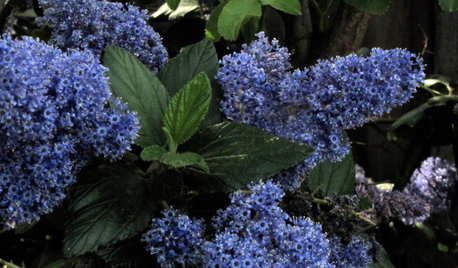
GARDENING GUIDES10 Top California Native Plants, Trees and Grasses
Enjoy a fuss-free, water-wise garden in the Golden State by growing plants naturally in tune with the climate and wildlife
Full Story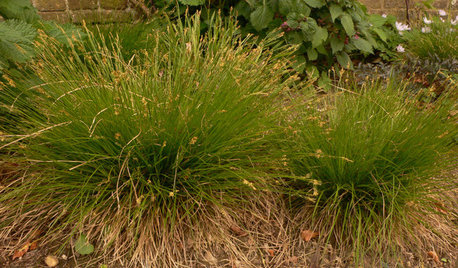
FALL GARDENINGThese Native Grasses Bring a Different Fall Color to the Garden
When other plants are brown, cool-season grasses green up the landscape
Full Story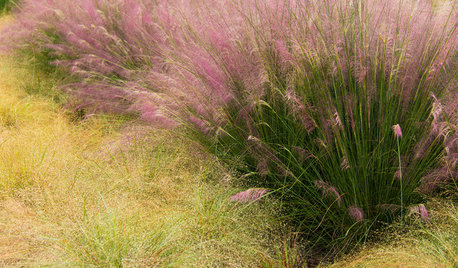
GARDENING GUIDES8 Native Grasses and Sedges for Southeastern Gardens
These plants bring beautiful texture to the landscape
Full Story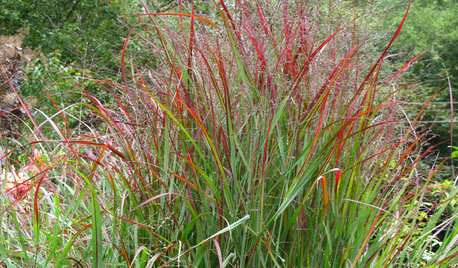
FLOWERS AND PLANTS10 Essential Native Grasses and Sedges for Mid-Atlantic Gardens
This collection of common grasses will thrive in the home landscape
Full Story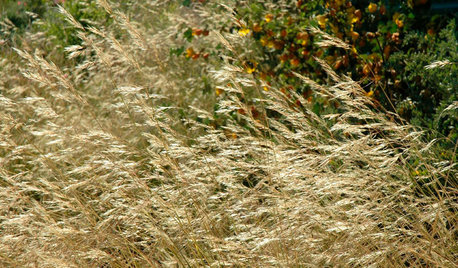
GARDENING GUIDESGreat Design Plant: Purple Needle Grass, California’s State Grass
The long-lived, drought-tolerant Stipa pulchra is as admired for its benefits as for its good looks
Full Story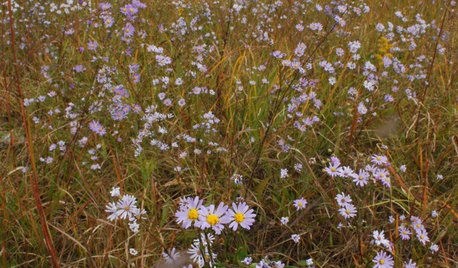
GARDENING GUIDES15 Native Flowers That Feed Native Bees
These perennials offer superfood to hundreds of bees and are gorgeous in their own right
Full Story
LANDSCAPE DESIGN15 Great Ideas for a Lawn-Free Yard
End the turf war for good with hardscaping, native grasses and ground covers that save water and are easier to maintain
Full Story
More Discussions
ZachS. z5 Platteville, Colorado