

bird food
8 years ago
Featured Answer
Sort by:Oldest
Comments (41)
Related Discussions
bird food that sparrows dont eat?
Comments (1)huh?...See MoreBird Food waste
Comments (12)in bad weather i do get a lot of ground feeders such as the doves and juncos and towhees and some others and i purposely go to the farm supply or ranch and feed store and get a 50lb bag of chicken feed for around 8.50 a bag. It is a mix of grains most often milo and cracked corn and wheat. i put out a cup or two on the sheet or on the ground for the hungry birds. some people call them trash birds but i enjoy any one that wants to come and eat....See MoreFYI-Poisoned birdseed
Comments (7)I bought a pack of Scotts year-round suet, and the first ingredient was "grain products"..I thought it would be oats or something, but turns out it was corn..There was more corn then suet! No wonder the stupid sparrows devoured it.....See MoreBird food question
Comments (5)I usually buy a 40 lb. bag of wild bird seed & 20 lb. bag of sunflower seeds from Lowe's & mix together. I buy the brand with the best price. I also buy different seeds in smaller bags of nuts & fruits; berries & fruits; shelled sunflower & safflower seeds, thistle seeds. I get them at Walmart or Lowe's. I will watch for sales at different garden centers that sell a variety of different types of bird seed by Pennington, Kaytee among others. Our New England winters are long & cold so buying the large bags of seed are more economical. With the warmer weather here, birds are able to get their food elsewhere & not just from the feeders. So don't mind picking up some of the pricier seed to mix in. Here's what I've found-the cheaper bird seed has a lot of corn in it, as filler. Many birds & squirrels eat corn & all need our help during the winter. Also many of the larger (more generic) bags of sunflower seeds have empty shells with small sticks in them taking up space. However with lots of birds all winter & refilling feeders frequently, it's okay for keeping the prices down. Now I'm mixing more of the better seed with the other kind. By the end of June, beginning of July the nesting has just about stopped & the fledglings are now on their own. Birds won't be using the feeders much with all the food readily available from natural sources. I've already removed all my suet feeders except for one large one for the woodpeckers. I have a pair of red-bellied woodpeckers & their fledglings eat the suet too. This is the first time I've had a pair of northern flickers & they come almost daily to the suet. It sounds like you're just getting into feeding birds. I suggest you use a basic mixed bird seed in your feeder. Birds will come especially in the winter. If you want to, pick up a smaller bag of another type of seed & mix it together. Birds can take awhile to come to new feeders. So if there's not much action, don't worry they'll eventually arrive. It has nothing to do with the seed. I'm so glad you're getting into backyard birding. With bird's natural environment dwindling due to developers they need our help more than ever. Many numbers of birds have diminished because of that & birders are hugely helping to keep bird species from going extinct. It's an unfortunate reality going on internationally. By providing shelter with bird houses, planting trees & shrubs & having biird feeders we're really helping our feathered friends survive. Whenever I go outside, some chickadees & titmouse immediately show up & fly right by my face landing on branches so close I could touch them. Now the downy woodpeckers stay about 4' away instead of flying away. I love they've come to know me feeling safe & hang around. Probably told you way more than you needed to know! Need any more info, please feel free & let me know. It's exciting more & more people everywhere are getting involved & helping birds in some way bringing personal rewards....See More 8 years agoPat Z5or6 SEMich thanked albert_135 39.17°N 119.76°W 4695ft.
 8 years ago
- 8 years agolast modified: 8 years ago
- 8 years ago
- 8 years ago
- 8 years ago
- 8 years agolast modified: 8 years ago
- 8 years ago
 8 years agolast modified: 8 years ago
- 8 years ago
- 8 years ago
- 8 years ago
- 8 years ago
- 8 years ago
- 8 years ago
- 8 years ago
- 8 years ago
 8 years ago
- 8 years ago
- 8 years ago
- 8 years agoPat Z5or6 SEMich thanked albert_135 39.17°N 119.76°W 4695ft.
- 8 years ago
- 8 years ago
- 8 years ago
- 8 years agolast modified: 8 years ago
- 7 years ago
- 7 years ago
 6 years ago


Related Stories
GARDENING GUIDESBackyard Birds: Northern Cardinals in the Snow, and Other Red Birds
Brilliant crimson feathers make these friends stand out in a crowd
Full Story
GARDENING FOR BIRDSFeed the Birds: 6 Plants for Abundant Winter Berries
Be kind to your fair feathered friends during lean food times by planting a shrub or tree loaded with nutritious snacks
Full Story
GARDENING FOR BUTTERFLIESA Quick-Start Guide to Bird-Watching for Fun and Learning
Set out some seed and grab your field guide. Bird-watching is an easy, entertaining and educational activity for the whole family
Full Story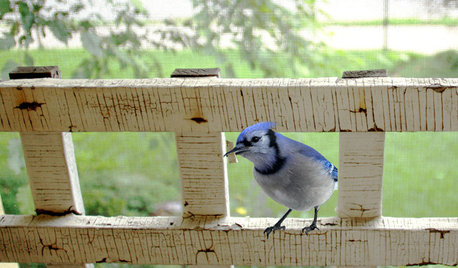
GARDENING FOR BIRDSBackyard Birds: Meet Some Clever and Curious Jays
Boisterous jays provide plenty of backyard bird-watching in winter. Here’s how to identify all the varieties and welcome them into your yard
Full Story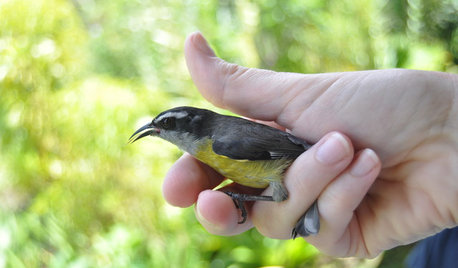
GARDENING FOR BUTTERFLIESBring on the Birds: Natural Habitat Ideas for Gardens of All Sizes
Provide nesting, watering and perching spots inspired by the Costa Rican jungle and watch the birds flock on over
Full Story
FARM YOUR YARDTo Get the Food They Believe In, These Urbanites Grow Their Own
Home gardeners farming on their city lots find that local, organic food isn’t the only reward
Full Story
FARM YOUR YARDHello, Honey: Beekeeping Anywhere for Fun, Food and Good Deeds
We need pollinators, and they increasingly need us too. Here, why and how to be a bee friend
Full Story
GARDENING GUIDESGreat Design Plant: Sambucus Nigra Caerulea for the Birds
Blue elderberry is a favorite of birds and other wildlife in its native California
Full Story
FARM YOUR YARD6 Things to Know Before You Start Growing Your Own Food
It takes time and practice, but growing edibles in the suburbs or city is possible with smart prep and patience
Full Story
EDIBLE GARDENSFood and Community Thrive in a U.K. Allotment Garden
Get a peek at a rented garden plot in England where edibles and flowers mix and local residents can mingle
Full Story
More Discussions
gyr_falcon