

OT: Winterizing...in coastal SoCal?
8 years ago
Featured Answer
Sort by:Oldest
Comments (36)
 8 years ago
- 8 years ago
Related Discussions
way OT- what's the weather like?
Comments (20)Donna--I keep clinging to that thought. Unfortunately, we can get hot and humid here, too, although usually just for a day or two at time, not for months on end like all y'all. My best friend lives just north of Dallas, TX and she thumbs her nose at me in the winter, but I get even in the summer! 8^) Personally, I can take heat, but I can't breath when the humidity gets too high, so I'd rather have Wisconsin's weather than Florida's most of the time. 8^) Annie...See MorePruning vigorous HTS in soCal
Comments (60)Re: alfalfa. I've read wildly differing reports of it's NPK content; some saying it's especially high in nitrogen(eg 512), some saying it's a very good balance (usually still slightly lower in P, eg 212 or 323). It seems it varies according to the source/form. All agree it also contains a fabulous assortment of minor and micro-nutrients, thus, as Jeri points out, making it an especially effective rose fertiliser/amendment. As I understand it, the micronutrients make other nutrients more bio-available, amongst other benefits. I've been wondering lately about growing it amongst roses - it has a very pretty violet-blue flower which I thought might be a reasonable alternative to eg catmint in aesthetically complementing the roses. However, I haven't actually seen it growing to be sure of of whether the whole plant would actually look good enough. Since alfalfa hay is often on sale around here, I'm assuming it suits our hot, dry Mediterranean (mild, wettish winter) climate. The point I'm getting at is that after flowering, it could 1) be used as a green manure, ie cut down at ground level leaving the roots in the soil to do their nitrogen-fixing thing; 2) the stems could simply be chopped and left on the soil as mulch, providing soil moisture evaporation protection (or composted first, if preferred) 3) meanwhile all its other important minerals and micronutrients would be released into the soil as it gradually rots down 4) eventually the whole plant would become incorporated into the soil, where it could do its spongy long-term moisture retention/soil structure improvement thing... 5) sow more alfalfa. Or maybe it would self-seed if plants were left long enough before cutting down? I kind of think this sounds like it could make for a pleasingly simple and cheap all-purpose system, in theory at least! Nate, maybe some system like this could be just enough to keep your HTs fed and healthy??? While placating management's rather unusual horticultural 'idees fixes' - 'cos after all, you're only putting back what was actually growing there. Of course they wouldn't have grown alfalfa with their HTs in the 50s!! :¬D - but maybe management could be persuaded, perhaps, say, to allow it to be grown as a border around the bed if not actually between the rose bushes - like the clover suggestion, though ahem!.. rather more conspicuous? Just a thought, anyway... I'd be very interested to know if anyone has actually tried this, or has any comments/ thoughts on the idea. Comtesse :¬)...See MoreOT Ancient trees
Comments (11)From my very different perspective, in the middle of the Great Eastern Forest that was eastern North America, there are some undisturbed areas, but the trees there are not massive. Too much competition by lower growth small trees and woody shrubs that require rain and lots of it. With the rain comes thunder and lightening strikes. It's not that one tree grows up and takes over, it's the whole forest that moves upwards, together. We have about 100 acres of woods and see so many lightening strikes that we don't have to decide which trees to take for wood. We just harvest the lightening struck ones. Growth is relatively rapid, and the trees don't take the time for their roots to go down and into crevasses in rocks for water. They just don't need to. This leads to additional problems. People plant these trees as single specimen plants. Wet soil with strong winds topple these trees easily. In the forest the interwoven roots are self supporting. When we first bought this farm, there was a huge oak back past the larger barn. I remember musing that it had seen so many families and would be there after I was gone. Wrong. We have an oak disease move through and it took 5/6 of the tree before we knew we had a problem, the remaining 1/6 leafed out the next year and then died. Dense populations of trees make for easy spread of diseases. Our forests are far more dynamic that I realized thirty years ago, and they are changing with little regard for putting on years of growth as individuals....See MoreWill I have rebloom on Ghislane de feligonde?
Comments (38)They have one small bush of CS at Descano Gardens that was just covered in blooms in the Spring! I haven’t seen any blooms on it all summer, but I don’t think they fertilize their roses so that could be why. I will check next time I am there to see if it has a fall flush starting. I remember it having a sweet fragrance, but I have a hard time smelling roses unless they are picked and brought inside. If I didn’t have Annie Laurie McDowell on its way in the first week of November from Steve at Wisconsin Roses, I would get Climbing CS. I am super excited about ALM!!! Even though it’s on Multiflora, which doesn’t do as well here. Next summer/fall I will try to root it, in case the Multiflora struggles over the long term. But I am going to be making a superb planting hole for it....See More- 8 years ago
- 8 years ago
- 8 years ago
- 8 years agolast modified: 8 years ago
 PRO8 years ago
- 8 years ago
- 8 years ago
- 8 years ago
- 8 years ago
- PRO8 years ago
- 8 years ago
- 8 years ago
- 8 years ago
- 8 years agolast modified: 8 years ago
 8 years ago
- 8 years ago
- 8 years ago
 8 years ago
- 8 years ago
- 8 years agolast modified: 8 years ago
- 8 years ago
- 8 years ago
- 8 years agolast modified: 8 years ago
- 8 years ago
- 8 years ago
- 8 years ago
 8 years ago
- 8 years agolast modified: 8 years ago
 8 years ago
- 8 years ago
- 8 years ago
- 8 years ago
- 8 years ago

Related Stories
GARDENING GUIDESGreat Design Plant: Sea Grape, a Hardy Coastal Delight
Up to the high-tide line or even indoors, sea grape draws smiles for its looks and cheers for its tenacity
Full Story
VACATION HOMESHouzz Tour: Coastal Maine Home Celebrates White, Wood and Windows
Efficiency, resiliency and waterfront views drive the design of this New England vacation house
Full Story
HOUZZ TOURSMy Houzz: A South Australia Home Comes Down to Earth
Rammed-earth walls embrace nature, stand up to harsh coastal conditions and create an indoor-outdoor connection for this artist's home
Full Story
MONTHLY HOME CHECKLISTSYour Fall Home Maintenance Checklist
Prep your house and yard for cold weather with this list of things to do in an hour or over a weekend
Full Story
GARDENING GUIDESWhat to Plant Instead of Heavenly Bamboo
Consider these animal-friendly alternatives to a commonly used landscape shrub
Full Story
FALL GARDENING7 Reasons Not to Clean Up Your Fall Garden
Before you pluck and rake, consider wildlife, the health of your plants and your own right to relax
Full Story
GARDENING GUIDESGreat Design Plant: Ceanothus Pleases With Nectar and Fragrant Blooms
West Coast natives: The blue flowers of drought-tolerant ceanothus draw the eye and help support local wildlife too
Full Story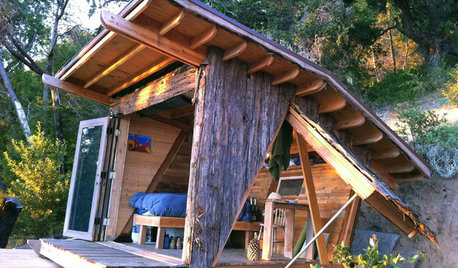
DREAM SPACESGreat Escape: A Tiny, Off-the-Grid Hideout in the California Woods
Covered in bark and topped by a living roof, this 90-square-foot retreat hides on its California hillside
Full Story
REMODELING GUIDESTour Sarah Susanka's Newest Right-Sized House
Get ideas for neighbor-friendly, efficient home design from best-selling author's latest project near Chicago
Full Story
EXTERIORSGreat Design Element Our Grandparents Knew All About: Awnings
This time-tested feature for shading and cooling is enjoying a resurgence
Full Story


annie1992