

Seasonal Greens
8 years ago
Featured Answer
Sort by:Oldest
Comments (7)
Related Discussions
Fall season preparation
Comments (3)I'm in the same situation -- a transplanted Yankee getting a seed order ready in July for my second season. I'll plant bush beans again and I think I need to start some new summer squash to replace the ones the borers have gotten the better of. I'm wondering if I should start new cucumbers and bell peppers too. There will be carrots and beets and cabbage and broccoli and brussels sprouts and collards. I'm even going to take a stab at fall peas....See MoreSummer Greens?
Comments (64)Just checked to make sure I have some seeds! Email me your mailing address and I'll send some your way. The plants would even look better, but I keep them low on the nitrogen, because they store nitrates in the leaves, so watch out with that, because it can lead to oxalic acid in the greens and then it'll be like biting on a sand particle one in a while. It's harmless in that concentration, but I still don't like it. Best for me is that in my nematode infested soil, which almost every veggie gets killed sooner or later, this isn't affected. And personally I like the taste better than spinach, it doesn't have that funny aftertaste. The pic is how I cut it then then it regrows right away multiple times. If I see bugs I spray pyrethrin or Pt, but not on a regular basis, just don't have the time.......See Morehow do you season your green beans
Comments (31)My answer of bacon fond was kind of a tongue in cheek answer because of the thread we had on foods we eat when no one is looking. To cook green beans I much prefer fresh, will use canned and frozen when I must. There really is no comparison to the fresh. I first brown some bacon in a pan until crispy, then remove the bacon and set aside. I deglaze the pan with mostly chicken broth and add a little water and salt. Sometimes I'll crush a few cloves of garlic and add, fishing them out later. Then I add a whole onion to the top of the beans and simmer away. I sometimes fish the onion out when they are finished and sometimes leave it in. When beans are cooked the crispy bacon can be broken up and added to the top of the beans. I love new potatoes cooked in the beans toward the end of cooking time. I don't mean what the grocery stores call new potatoes, but the real thing which you can rarely find....See MoreWhat are the Benefits of Cover Crops or Green Manures?
Comments (0)Cover crops and green manures are basically the same term. When these plants are alive they are cover crops. When the plants are decaying they are green manures. Green manuring has all the soil benefits of classic composting, plus other benefits: 1. Green manures can fertilize large acres of land cheaper and easier than hauling in tons of finished compost. 2. You can eat the produce of certain cover crops like beans, peas, or radishes. It is harmful to humans to eat compost! 3. The roots of certain legume green manures can supply tons of free atmospheric nitrogen per acre to the topsoil after the cover crop plants are tilled, mowed down, or smothered. Rhizobacteria live inside the legume roots creating a unique relationship that actually converts atmospheric nitrogen into organic nitrogen for the legume to use. This extra nitrogen fixation built up by the rhizobacteria can not be beneficial to other plants near by, or future crops in the soil next season, until that legume is dead and recycled into the soil by the green manuring process. Compost can't fix nitrogen in the soil. 4. All green manures supply extra organic matter to feed and breed beneficial soil organisms for soil fertility and soil health. 5. The roots of certain cover crops can go down several feet below the topsoil and into the subsoil to break up hardpan and pull essential nutrients up to the topsoil level at green manuring time. After 24 months of continuous growth, alfalfa roots can extent over 20 feet down, that can turn it extra OM down into the subsoil! No regular tractor or mechanical tiller can plow that deep! Without tilling it in, compost can't do that. 6. Some cover crops can weed out other plants. Buckwheat, oats, and sunflowers are good types of these allelopathic plants. 7. Some cover crops can attract beneficial insects and repel bad insects like marigolds and crimson clover. Compost can't do that either. 8. Some special cover crops can help control diseases in the soil or on the foliage of nearby plants. Examples are garlic, onions, hot peppers, basil, marigolds, thyme, and other herbs. These plants can protect plants like tomatos from diseases. They can also control bad nematodes or other soil problems. Some of these cover crops can do these functions as living plants or as decaying green manures. 9. Some legume cover crops, like white clover, can be planted next to your crops during the warm season to be used as a living mulch. 10. Green manures work best when mixed with legumes and non-legumes. That way you get the nitrogen fixing benefit from the legumes, but also you maximize the fast growth of the expansive root development and tall foliage height that is characteristic of grasses and grains. 11. Did you know that about 95% of all the bulk and biomass of all non-legume cover crops is a direct production from only water and photosynthesis! The other 5% is straight from the soil. Legume cover crops go farther and pull free nitrogen from the air also. That means that all cover crops will add more humus to the soil than what was there before just from energy from the sun and the atmosphere. Since humus is mostly carbon, hydrogen, and oxygen from the air, that means that cover crops greatly benefit the biosphere and the soil microherd, just from above! Plain compost can't do that! ******************************************************************************** Green Manures have other nicknames also beside Cover Crops. Sometimes they are referred to as Smother Crops, Catch Crops, Nurse Crops, Living Mulches, or Compost Crops. Green manures also help conserve nutrients from the topsoil and even the subsoil, in bad weather, varying temperatures or seasons or climates. Green manures help solve crop rotation issues for small or large garden spaces. Green manures can even help heal soil diseases. Green manures can help buffer soil pH with its organic matter in the soil just like compost for the next planting season. Green manures are also great at controlling erosion and soil water moisture content. A nurse crop is a fast growing cover crop like rye that is grown close to a slower legume cover crop like hairy vetch in order to help support the plant's foliage as it grows. You can grow a cover crop in order to supply green nitrogen rich organic matter for your compost bins. Next to classic composting, green manuring is the greatest single thing you can ever do improve your soil and your gardening environment. ******************************************************************************** Mostly all cover crops can be grown easier by sprinking or lightly covering seeds on top of 1-2" finished compost or rich garden soil. This a partial list of some of our favorite cool season and warm season cover crops and their basic purposes: A. Crimson clover - cool season annual legume. More cold hardy than most other clovers. Grows great on all soil types in 1-2 months. Supplies lots of foliage and roots OM. Crimson clover and winter peas can be found in deer plot mixes. Attracts lots of beneficial insects. Easy to green manure. The favorite legume green manure of the south. B. Hairy vetch - cool season annual legume. It is the most cold hardy of the popular legumes. Can grow in temps below -5 degrees F. Can be found in some deer plot mixes. Great legume weed suppressor. Grows great with a non-legume like rye as a nurse crop. The favorite legume green manure of the north. C. Rye, winter wheat, and oats - cool season fast growing grass/grain non-legumes. Rye is the most cold hardy of all green manures, and it can grow almost anywhere. Rye can grow in temps below -20 degrees F. Rye and oats are a great non-legume weed suppressors. These crops can grow fast in a few weeks. Supplies lots of OM. Rye must be killed at least 4-6 weeks before planting spring crops to not hinder seed germination. You can find these cover crops in deer plot mix or horse or cattle feeds. D. All beans and peas (legumes) - All beans are warm season except fava beans. Most peas are cool season. The most cold hardy peas are winter peas. Most dry beans and peas sold in bags in grocery stores will sprout and grow fine. E. Radishes, mustard greens, rape, kale - Great cheap fast growing cool season annual non-legumes for lots of foliage OM. A thick crop of mustard, rape, or kale is a great non-legume weed suppressor. a thick crop of radishes are great for repelling many bug pests all year round. F. Buckwheat and sunflowers - Great fast growing warm season annual non-legumes that can break up hardpan, kill weeds, and pull up insoluble subsoil phosphorus from minerals up to the topsoil to make available for next crops. Buckwheat can grow fast on any soil type (4-6 weeks to maturity). G. Marigolds and other herbs - warm season annual non-legumes. Marigolds when planted thick, it's great for nematode control and other pest controls. Garlic, onions, and hot peppers control many soil pests. H. All weeds - This unknown class of green manures recycle much needed foliage and root OM and nutrients back to the topsoil. All cover crops should be either tilled in, mowed down almost to the ground, or smothered by organic mulches before they go to seed, to prevent sprouting later in the year and becoming a weed themselves. The no-tilling option is the best way to get optimal soil health, texture, and soil microbial activity. Recent research has proven that excessive tilling, or tilling too deep, can kill off beneficial fungi in the soil and create soil texture problems and some soil fertility issues. If you decide to go with a no-till garden, you can poke holes in the soil around crop roots with your spade fork, to get more oxygen in the soil to further increase organic matter decomposition and increase microbial activity in the soil. Year round green manuring practices can not only improve your soil health and texture, but also decrease extra periodic plant fertilizers and soil amendments. Happy Gardening!...See More 8 years ago
- 8 years ago


Related Stories

SHOP HOUZZSeasonal Favorites in Shades of Green
Give any room a spring makeover with these furnishings and accessories in fresh green
Full Story0
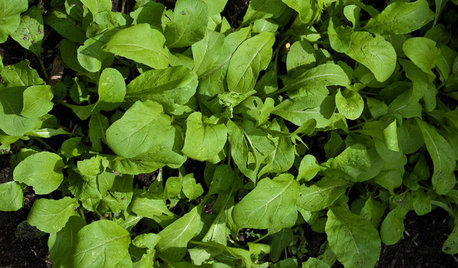
COOL-SEASON CROPSCool-Season Vegetables: How to Grow Salad Greens
From arugula to radicchio, greens have taken a top spot on the table and in fall and winter gardens. See how to start growing them now
Full Story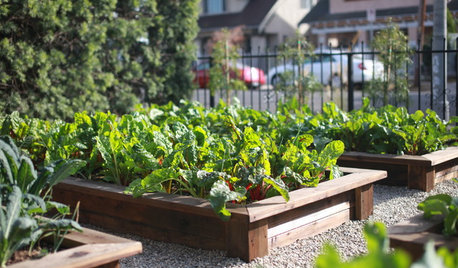
EDIBLE GARDENS10 Edible Greens to Plant Now
Get your cool-season garden started and look forward to harvesting lettuces, kale, arugula, chard and more
Full Story
PRODUCT PICKSGuest Picks: Bursts of Green for Spring
Get a jump start on the season of fresh beginnings with home decor in shades of chartreuse, lime and grass green
Full Story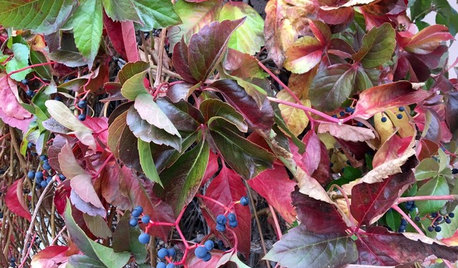
FLOWERS AND PLANTSGrow a Brilliant Seasonal Screen and Feed the Birds With Woodbine
Plant this fast-growing vine to green up a blank spot, add fall color and offer berries for birds
Full Story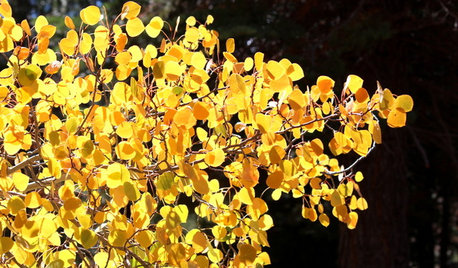
LANDSCAPE DESIGNGreat Design Plant: Quaking Aspen for 3-Season Beauty — on Its Own Turf
It offers bright fall foliage, snowy winter bark and lush green leaves in summer. Just don't try to plant quaking aspen away from its home
Full Story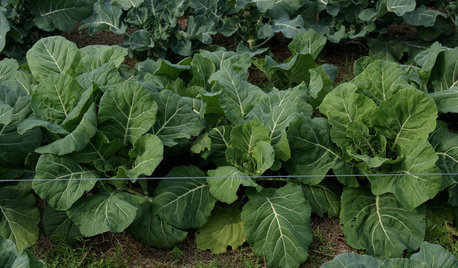
COOL-SEASON CROPSCool-Season Vegetables: How to Grow Collards
Look out, spinach. For fall and spring gardens with a little heat, collard greens may be the better choice
Full Story0
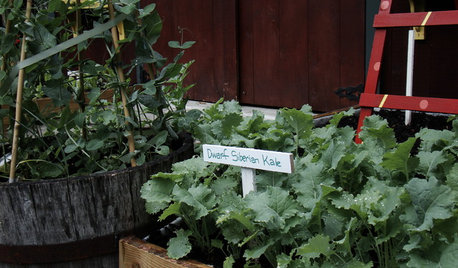
EDIBLE GARDENSCool-Season Vegetables: How to Grow Kale
This leafy green superfood is also a superhero in the garden through fall chills and winter snow
Full Story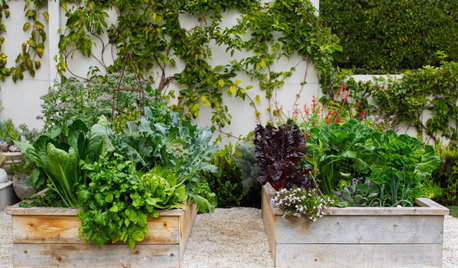
MOST POPULARHow to Start a Cool-Season Vegetable Garden
Late summer and late winter are good times to plan and plant cool-season crops like salad greens, spinach, beets, carrots and peas
Full Story
GREEN BUILDINGInsulation Basics: Designing for Temperature Extremes in Any Season
Stay comfy during unpredictable weather — and prevent unexpected bills — by efficiently insulating and shading your home
Full Story


User